











Adding a card to your phone takes about two minutes when it works. The part worth slowing down for is what happens around those two minutes: who asked you to do it, where you typed the numbers, and what you can undo later. Here is a way to think through it.
What a digital wallet does with your card
A digital wallet is a secure app on a smartphone or wearable that stores payment cards. You tap or click to pay in stores, online, and inside apps. Most wallets use tokenization and encryption, so the merchant generally does not see your real card number. A substitute number, the token, does the work instead.
That token is why setup is more than typing a card number, expiration date, and security code. Your card issuer and the card network have to approve the card first. Then the wallet gets its token. If either side says no, the wallet has nothing to store.
Before you start: check eligibility and your device
Picture two people with the same phone. One adds a card in seconds. The other gets an error. Nothing is wrong with either person. Eligibility varies by issuer, device, country or region, card status, and the verification method on offer. A card that is in good standing with a supported verification option has the easiest path.
Check the device side too. Apple's support page, for example, lists a compatible device on the latest operating system, a supported card from a participating issuer, an Apple Account, and a way to unlock the phone, such as Face ID, Touch ID, Optic ID, or a passcode. Other wallets have their own versions of that list.
- Does my issuer support wallet use for this specific card?
- Which of my devices will the card work on?
- Does the issuer need extra verification?
If you plan to use a watch, setup is often handled in a companion app on the paired phone, not on the watch itself. On Apple Watch, that means the Wallet and Apple Pay section of the Watch app.
Adding the card and what to expect
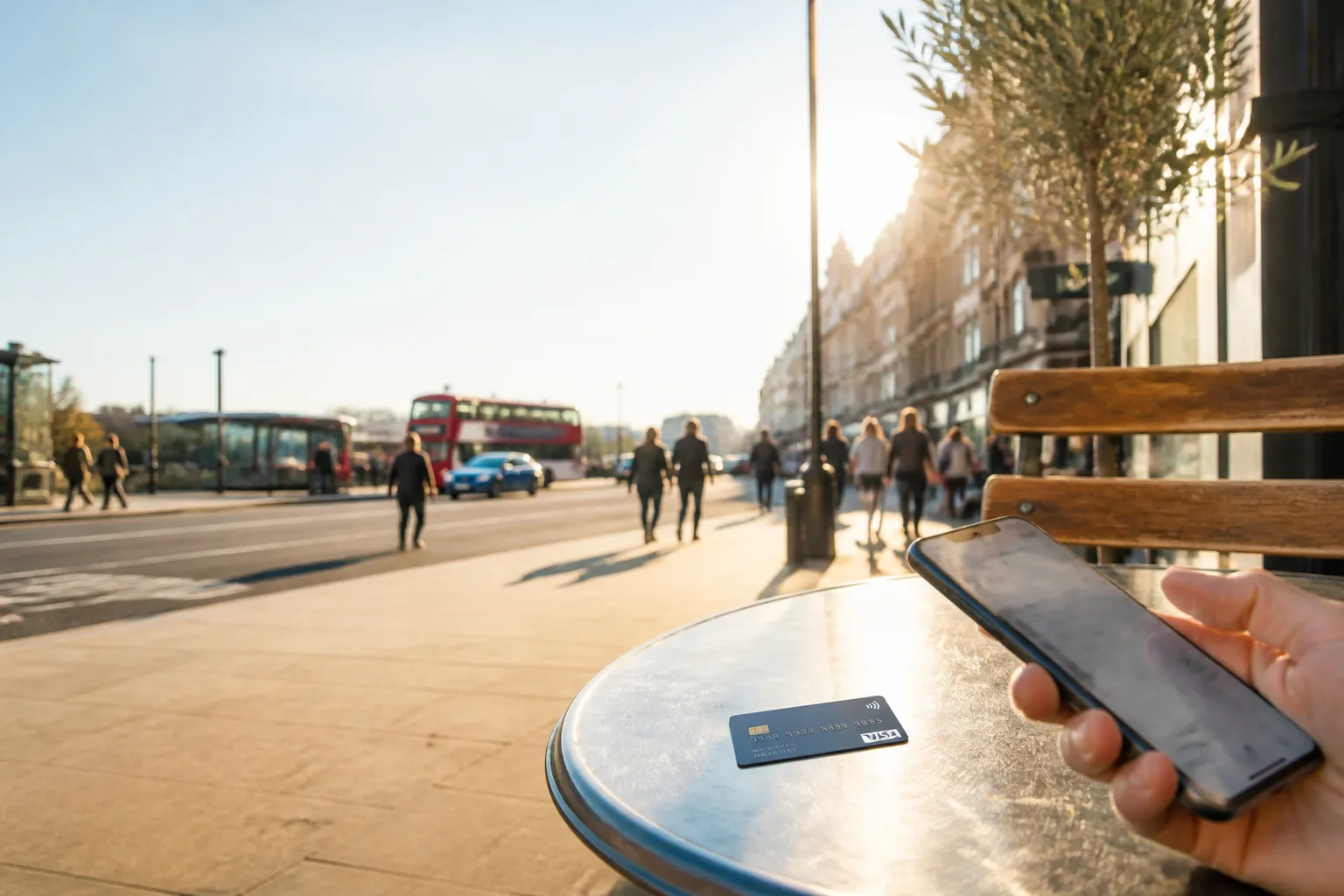
On an iPhone, you open the Wallet app and tap Add Card. You then pick a card you have used before or a new debit or credit card. From there you either hold the physical card near the phone or choose to enter the details manually. The prompts do the rest.
Then comes the part that surprises people. Some issuers ask for more information, a separate app download, or a one-time code before they approve the card. That can feel like friction. Usually it is the issuer confirming that you are the cardholder. Some issuers also let you connect your account so you can see transactions inside the wallet. Ask yours before assuming that exists.
If the add fails, do not jump to the worst conclusion. A virtual card, for instance, may still work for online purchases while failing to add to a wallet because the issuer, device, region, card status, or verification method is unsupported. A failed add is not automatically a security problem. It may just mean the pieces do not match.
Staying safe during and after setup
The most useful habit is simple. Enter card details only on the wallet's own setup screens or on an official issuer website or app. The FDIC advises sharing sensitive information only on official, secure sites. Be wary of an unexpected text or call telling you to add a card or read back a code. Scammers sometimes pose as banks and payment services, and a verification code is exactly what they want you to hand over.
Next, lock the device. Anyone who can open your phone may be able to pay with a card stored on it, so a strong passcode or biometric lock matters more than any setting inside the wallet.
Then learn the exit before you need it. On an iPhone, you open the card in Wallet, tap Edit, tap Remove, and confirm with Delete Card. That removes it from all your devices. The sources behind this guide do not give steps for reporting a lost phone or suspending a wallet card, so check with your issuer and device maker on that.
What this guide cannot tell you
Protections for wallet purchases are not fully spelled out in the sources here. The Consumer Financial Protection Bureau notes that the federal Electronic Fund Transfer Act can apply to a provider's mobile payment services, but liability and dispute rights depend on the provider and the type of transaction. Your card issuer can answer for your account. You can also read the CFPB's mobile payment tips.
This guide also does not cover whether adding a card to a wallet affects a credit score or credit report. For that, the credit bureaus' consumer pages and the CFPB are the places to look. This article is educational only, not personal financial advice.
Please seek a professional. This article is general information, not financial, tax or insurance advice. Please seek a licensed financial, tax or insurance professional about your own situation.


