
The kitchen-table money magazine
Money talk for the kitchen table.
Stories and how-tos on credit, budgets, banking and scams, the kind you talk over at home. Educational, nothing to sell.


Fresh this week
This week’s stories

Banking & Savings Education
Why the Number on Your Screen Isn't Always Money You Can Spend

Budgeting & Money Management
When the Reimbursement Arrives After the Bill Is Due

Consumer Protection & Financial Literacy
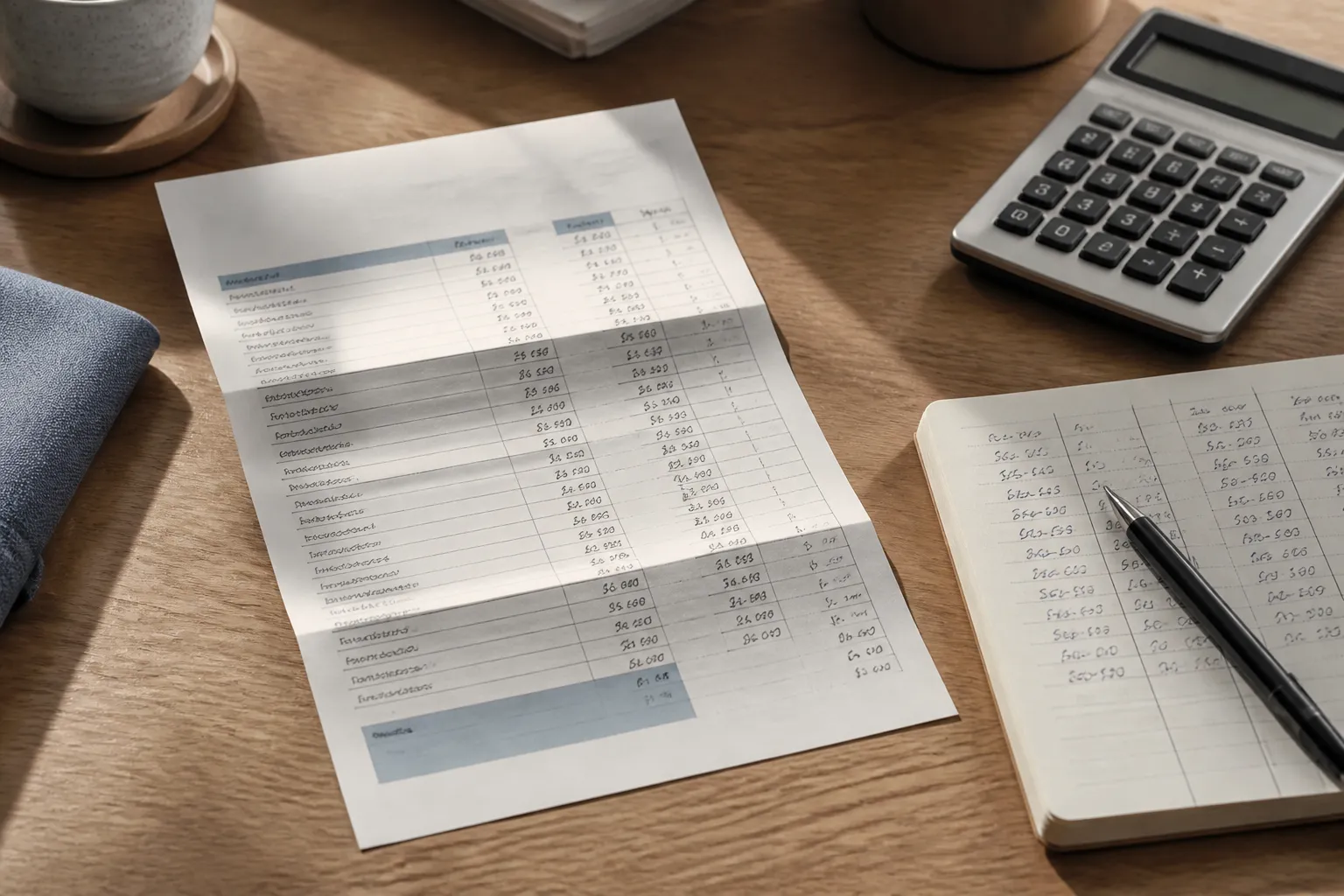
Reading the Itemization Table on a Debt Collection Notice
Cost of Living & Inflation
Why the Inflation Report Counts Your Roof Differently Than Your Rent Check

Consumer Financial News
What the Vacated CARS Rule Means for Car Buyers Today

The sections
10 money topics worth your Saturday morning

Credit Score Education
The score, and the stories behind it

Credit Reporting & Consumer Rights
What is on your report, and fixing it

Personal Finance Tips
Money moves for busy households

Budgeting & Money Management
A family budget that lasts the month

Identity Theft & Fraud Prevention
Keeping scammers away from the family

Credit Card Education
Cards at the checkout and on the statement

Consumer Financial News
The money news, over coffee

Cost of Living & Inflation
Groceries, rent and the paycheck

Banking & Savings Education
Where the family money lives

Consumer Protection & Financial Literacy
Your rights as a customer
Topic in focus
Credit Score Education
How credit scores work, told through the moments that move them: a new card, a missed bill, a paid-off loan.
Credit Score Education
Does Removing a Collection Actually Raise Your Credit Score?

Credit Score Education
Credit Report or Credit Score: Reading the Record Before the Number

Credit Score Education
Start at the Only Federally Authorized Site for Your Credit Files

Credit Score Education
Why You Can Have Several Credit Scores at Once

Credit Reporting & Consumer Rights

Spotted a Company You Don't Recognize on Your Credit File? Here's How to Check It
Identify the type of entry, ask the company what prompted it, and use the dispute process if the information does not match your records.

How to get and review your free credit reports from all three bureaus
Each of the three nationwide bureaus may hold a different version of your credit history, so requesting all three free reports and checking them for errors is a practical way to spot problems early.
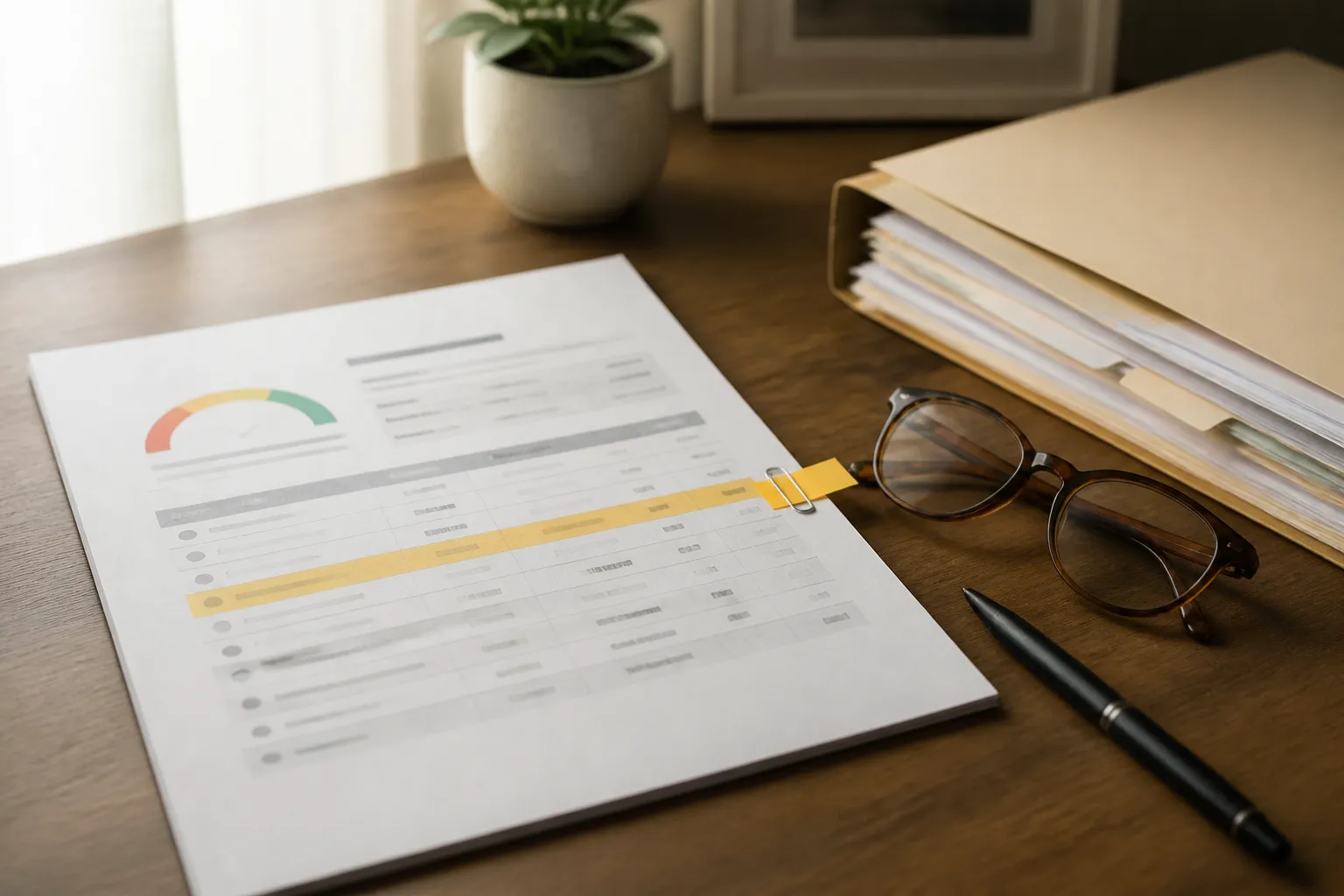
Wrong on Your Report? Check Each Entry, Then Dispute It in Writing
Checking each report, sending a written dispute to both the reporting company and the business that supplied the information, and tracking the outcome can help correct inaccurate entries.

Credit Bureau Denied Your Dispute? Here Are Your Next Steps Under Federal Law
A rejected dispute leaves several options, from a more specific follow-up to a CFPB complaint or a statement in your file, and each has its own rules.
Personal Finance Tips

How the Annual Percentage Yield Really Works on Your Savings
Federal disclosure rules standardize the APY so households can compare deposit accounts, but the figure leaves out bonuses, contingent rewards, and the timing of your actual cash flows.

How to Dispute a Credit Report Error Yourself, Without Paying a Credit Repair Firm
Filing a written dispute with the bureau and the lender that reported the error is free, and it can be done with a pen, a few copies, and a stamp.

Locking Your File or Flagging It: How Each Shields Against New Accounts
Both tools slow down identity thieves, but a freeze blocks lenders from your file while a fraud alert only asks them to double-check who is applying.

Freezing Your Credit at Equifax, Experian, and TransUnion: What It Blocks and How to Lift It
A free federal security freeze stops most unauthorized lenders, but it must be placed with each bureau separately and still leaves some background checks untouched.
Budgeting & Money Management
When the Reimbursement Arrives After the Bill Is Due
An expected employer payment can explain a cash shortfall, but it cannot pay a bill that is due before the money lands, so households should map both dates and contact the card company early.

Building a November Budget Around the Calendar, Not Just the Total
Statements show what a household spent, but a workable budget also needs to track when money arrives and when bills come due.

Fixed or Variable? Sorting Bills by What Changes Them
A bill's due date tells you when money leaves your account, but what drives its amount tells you how much to plan for and whether it can move.

Irregular Pay, Fixed Bills: Building a Month You Can Repeat
Plan around the lowest consistent month, give incoming pay a holding account, and track due dates alongside totals.

By text
Kitchen-table money tips by text
Short money tips on credit, saving and staying safe from scams, about one a day.
How we publish
Read it over coffee. Act on it with care.
- 01
Told like a story
Each piece takes one money question and walks through it the way you would at the table with a friend.
- 02
Sources listed
Articles lean on public sources such as government agencies and regulators, and list them at the end.
- 03
Education only
Nothing here is personal financial, legal or tax advice, and we do not recommend products.