
Credit Reporting & Consumer Rights
How to read a credit report together, catch the errors that slip in and use your right to dispute them.


By text
Kitchen-table money tips by text
Short money tips on credit, saving and staying safe from scams, about one a day.
- Credit Reporting & Consumer Rights

How to get and review your free credit reports from all three bureaus
Each of the three nationwide bureaus may hold a different version of your credit history, so requesting all three free reports and checking them for errors is a practical way to spot problems early.
- Credit Reporting & Consumer Rights

Wrong on Your Report? Check Each Entry, Then Dispute It in Writing
Checking each report, sending a written dispute to both the reporting company and the business that supplied the information, and tracking the outcome can help correct inaccurate entries.
- Credit Reporting & Consumer Rights

Credit Bureau Denied Your Dispute? Here Are Your Next Steps Under Federal Law
A rejected dispute leaves several options, from a more specific follow-up to a CFPB complaint or a statement in your file, and each has its own rules.
- Credit Reporting & Consumer Rights

How Long a Credit Report Dispute Takes Under Federal Rules
Credit reporting companies generally have 30 days to investigate a dispute, with a possible 15-day extension in certain cases, and then five business days to report the outcome.
- Credit Reporting & Consumer Rights

Recording Your Side of an Unresolved Credit Report Dispute
When a credit report dispute stays unresolved, a consumer statement lets you record your side in your file, though it does not by itself correct the disputed information.
- Credit Reporting & Consumer Rights

Negative Marks Don't All Expire at Seven Years: Know Your Clock and Your Dispute Rights
The general seven-year limit is only a starting point, since bankruptcies, lawsuits, tenant screening records, and medical debt each follow their own rules.
- Credit Reporting & Consumer Rights

What Lands on a Credit File, and Which Entries Deserve a Second Look
A credit report records your credit activity but not your full financial picture, so reviewing its identifying details, accounts and payment history can catch errors before they affect a loan application.
- Credit Reporting & Consumer Rights

Who Can Look at Your Credit Report, and How to Check the Access List
Federal law limits credit report access to specific permissible purposes, and your report's access list is the place to start reviewing who has asked to see it.
- Credit Reporting & Consumer Rights

What a Credit Inquiry Means on Your Report and How to Check It
Hard and soft inquiries are treated differently, so knowing which one appears on your report tells you whether it may affect your score and what to check next.
- Credit Reporting & Consumer Rights

Reading an Adverse Action Notice: Reasons, Scores, and Reporting Companies
A denial notice points to the decision-maker, the report behind it, and the deadlines that protect your right to ask questions and dispute errors.
- Credit Reporting & Consumer Rights
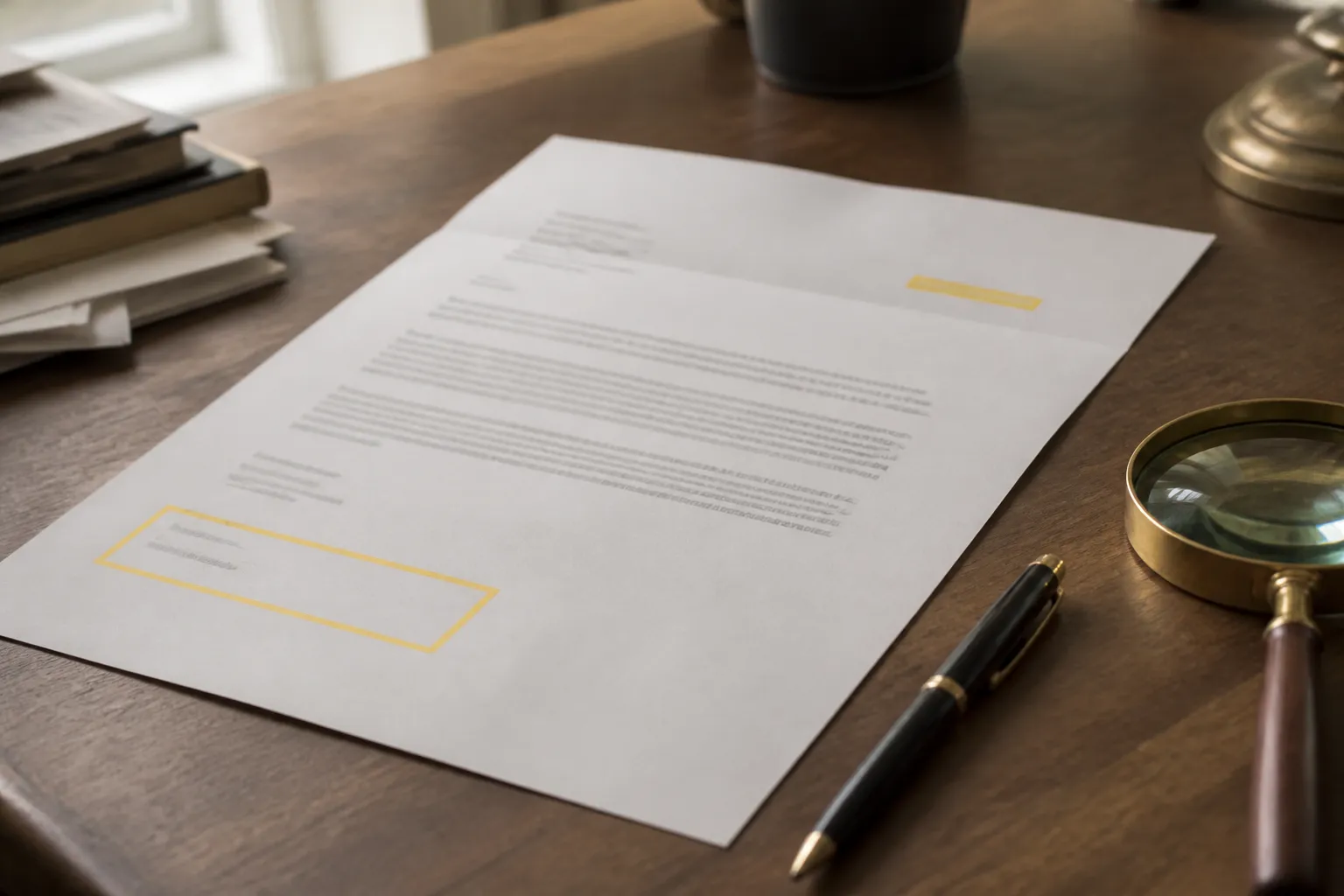
After a Credit Denial: How to Get the Report Behind the Decision
Your denial notice names the credit reporting company and starts a 60-day window, so checking the date and the report early keeps your options open.
By text
Kitchen-table money tips by text
Short money tips on credit, saving and staying safe from scams, about one a day.
More topics to explore
 Credit Score EducationThe score, and the stories behind it
 Personal Finance TipsMoney moves for busy households
 Budgeting & Money ManagementA family budget that lasts the month
 Identity Theft & Fraud PreventionKeeping scammers away from the family
 Credit Card EducationCards at the checkout and on the statement
 Consumer Financial NewsThe money news, over coffee
 Cost of Living & InflationGroceries, rent and the paycheck
 Banking & Savings EducationWhere the family money lives
 Consumer Protection & Financial LiteracyYour rights as a customer