










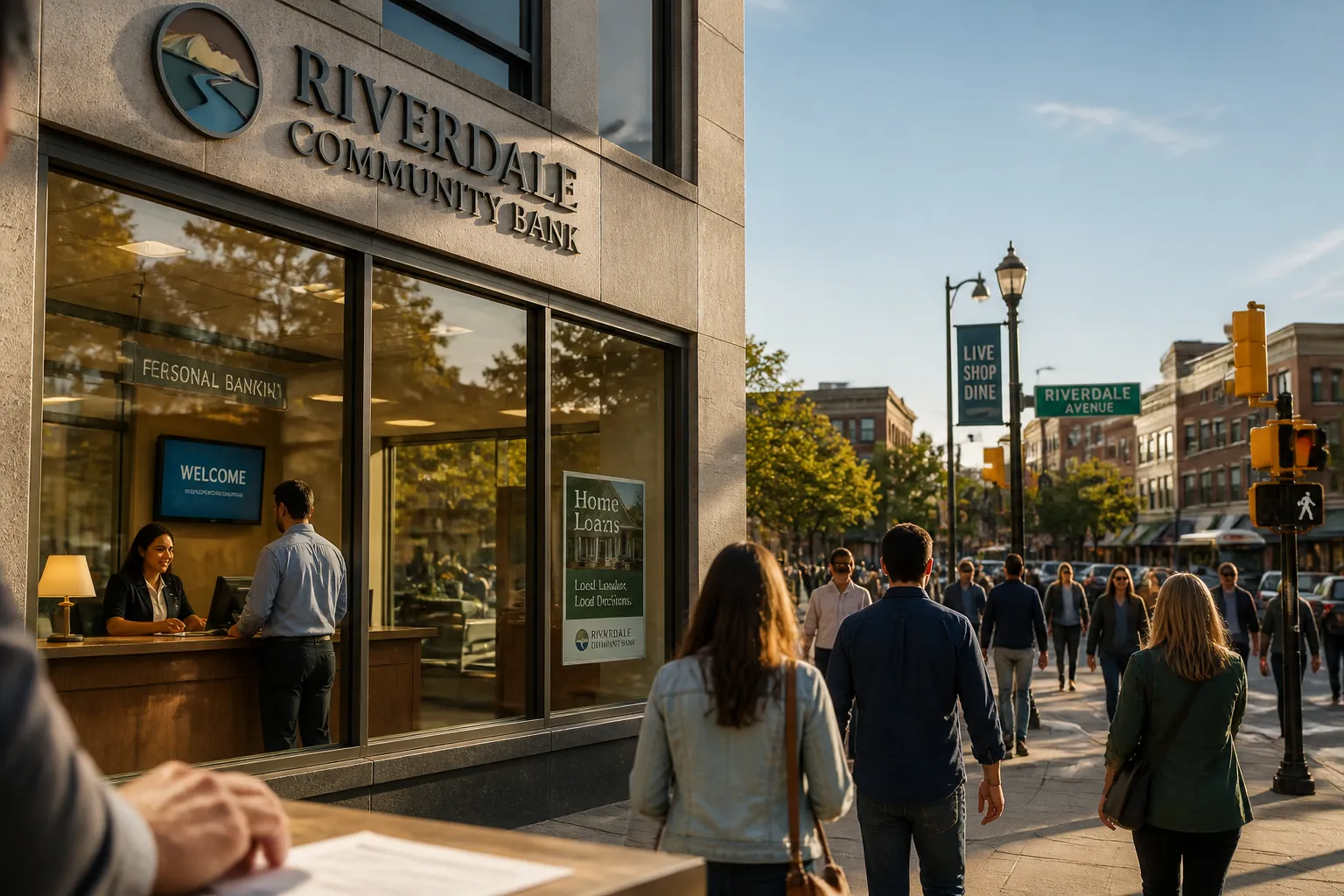
When you open a checking account, a customer service representative often slides a form across the counter and asks if you want your debit card to work even when money runs low. The offer sounds harmless, almost like a safety net. In reality, agreeing to overdraft coverage transforms routine purchases into expensive credit events. Before signing anything or tapping accept in a mobile banking portal, you need to ask precise questions about how your institution handles shortfalls.
Start with your current opt-in status
Your first question should establish where your account currently stands. Under federal rules, specifically Regulation E, banks cannot charge you an overdraft fee for everyday debit card transactions or ATM withdrawals unless you have actively opted in. The default legal setting is not enrolled. If you never opted in, the terminal simply declines your debit card when your balance is zero, and you walk away without a fee.
However, opting out of debit card coverage does not shield you from every fee. Financial institutions can still cover checks, automatic bill payments, and recurring electronic withdrawals that exceed your balance, and they can charge you an overdraft fee for doing so. Ask your bank directly whether paper checks and recurring ACH drafts remain exposed to fees regardless of your debit choice. If they say yes, request a written record showing whether you ever consented to ATM and one-time debit coverage. Under guidance from the Consumer Financial Protection Bureau on improper opt-in practices, institutions must be able to demonstrate affirmative consent. Without that record, fee assessments on debit transactions violate federal law.
Understand the fees and the cushion
When you evaluate coverage, you must pinpoint the exact dollar penalties. Many banks and credit unions charge $30 or more for a single paid overdraft. Because these charges are fixed amounts rather than percentages, small purchases become unusually punitive. An advisory from the CFPB highlighted how a $4 coffee and a pack of gum bought on the same afternoon could each trigger a separate $35 charge.
Ask your institution three specific fee questions before moving forward:
- What is the base overdraft fee per transaction, and what is the maximum number of fees you can assess in a single business day?
- Do you charge a sustained or extended overdraft fee if the balance remains negative for several days, and exactly when does that fee kick in?
- What is the current no-fee cushion or negative balance threshold on the account?
The no-fee cushion deserves careful scrutiny. Some banks allow an account to dip negative by $10, $20, or $50 before triggering an assessment. If a bank quietly lowers that cushion, a five-dollar shortfall that used to pass without incident will suddenly produce a substantial penalty. Additionally, ask what happens if you reject check overdraft coverage entirely. When a bank rejects a check or recurring electronic debit, it may charge a non-sufficient funds fee, often equivalent to an overdraft charge, and the merchant may add a returned-item fee on top.

Compare the alternatives
Opting in to standard debit overdraft coverage is not your only path. The simplest option is simply leaving the service switched off, accepting that a card will decline if funds are short. While a declined card at a cash register can be inconvenient, it costs nothing and prevents a single shopping trip from spiraling into hundreds of dollars in charges. Guidance on bank account overdraft options highlights several practical alternatives worth discussing with your branch manager.
Ask if you can link your checking account to a secondary savings account. When you overdraw, the bank automatically pulls the necessary funds from savings to cover the difference. While some institutions levy a transfer fee for this service, the charge is usually much smaller than a standard overdraft fee. Another option is linking a line of credit or a credit card. While tapped credit lines involve interest and possible transfer costs, they still avoid the flat, compounding penalties of traditional coverage. Furthermore, inquire whether the bank provides grace periods that give you until the close of the next business day to deposit funds, or if they offer modern checking accounts designed never to overdraw.
Watch for red flags and check the rules that apply
Overdraft policies change, which means you cannot rely on memory or older marketing materials. Consumer advocates have documented cases where institutions trimmed back negative-balance cushions or raised standard fee amounts after initial publicity died down. Check your periodic account statements and schedule of fees regularly to catch adjustments before they hit your wallet.
Do not assume national fee caps protect you. In 2024, the CFPB issued a rule intended to curb overdraft charges at very large institutions, but Congress subsequently passed a joint resolution disapproving the measure. Under the Congressional Review Act, that rule has no legal force, leaving standard Regulation E and Regulation Z guidelines in effect. According to banking policy updates on overdraft rules in 2026, there is no blanket federal cap limiting standard overdraft charges to nominal single-digit figures. You must protect yourself by knowing your bank's specific rules, and remember that federal law guarantees you the right to cancel or modify your debit overdraft opt-in election at any point.
Know what the sources do not answer
While public consumer protections outline basic rights, they leave gaps that only your individual financial institution can fill. Published federal guides do not provide the exact fee schedule, daily cap, or cushion size for your specific branch, so you must request the current fee disclosures directly. Similarly, official materials do not list the procedural steps required to enroll in a linked line of credit or to switch your account to an overdraft-free checking tier.
Finally, existing disclosures do not spell out how unpaid overdraft fees interact with credit reporting systems. If you find charges on your statement for debit transactions that you never agreed to cover, challenge them with your bank immediately. If the institution fails to provide proof of your opt-in or refuses to correct an unauthorized assessment, you can submit a formal complaint directly through the CFPB account fee dispute channel to demand an administrative review.
Please seek a professional. This article is general information, not financial, tax or insurance advice. Please seek a licensed financial, tax or insurance professional about your own situation.


