











Say you open your credit report and see a card marked 60 days late. You remember paying. Or maybe you don't, and you are not sure. Either way, the order of your next moves matters. This piece walks through how the dispute process works, what the clocks look like, and where the public guidance goes quiet.
Check the entry before you dispute it
Start with your own records, not the report. Pull your credit reports and compare the status, the delinquency dates, the date of your last payment, the balance, and the account number. The CFPB lists accounts wrongly reported as late or delinquent as a common error, so this is a normal thing to verify.
Then look at the fields around it. A closed account shown as open, an authorized user listed as the owner, a wrong date opened, a wrong date of first delinquency, or the same debt listed twice can all change how the account reads to a future lender. Also check that no one else's account has been mixed into your file.
Skipping this step can cost you time. Accurate negative information generally cannot be removed. Most of it stays for seven years, and some types stay longer. A dispute is for entries that are inaccurate or incomplete, not for ones that are correct but unwelcome. If you suspect the entry came from identity theft, the CFPB points to its dispute guidance, which names IdentityTheft.gov as the federal resource for reporting and recovering.
A short checklist helps before you write anything:
- Do the delinquency dates, last payment date, and balance match what you have on file?
- Is every account on the report actually yours?
- Could the entry be the result of identity theft?
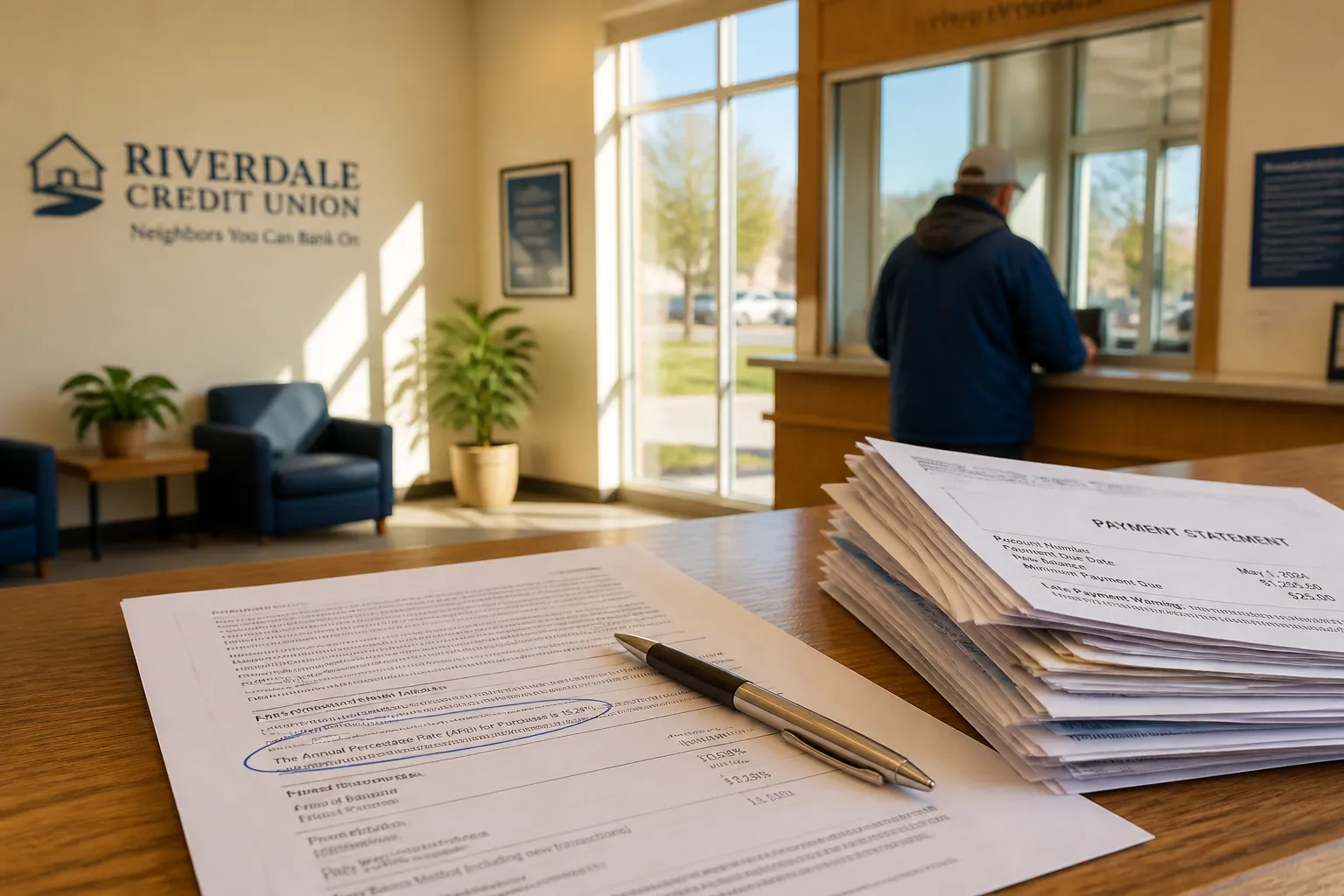
Once the checklist points to a real error, get your paperwork ready. Three small habits help:
- Gather copies, not originals, of statements or payment confirmations.
- Circle the disputed items on a copy of the report.
- Write down the date you send anything. You will want it later.
Dispute with the credit reporting company in writing
Next, write to the credit reporting company that shows the entry. That could be Experian, Equifax, or TransUnion. Explain what is wrong and why, and attach copies of your support. Keep a full set for yourself.
A mailed dispute should include your full name, address, and phone number, the report confirmation number if you have one, each error with its account number, a plain explanation, and a request for removal or correction. Add the disputed page with the items highlighted. Certified mail with a return receipt gives you a record that the letter arrived, which can matter if dates get argued later.
Disputing errors with the bureaus and furnishers is free. You do not need to pay anyone to do it for you, and the CFPB says you can do it yourself.
Dispute with the furnisher as well
The furnisher is the company that supplied the information to the bureau. The CFPB advises disputing with both. If you only correct the report, the source may keep sending the same data.
There is a useful rule here. When a furnisher gives wrong information and later corrects it after your dispute, it must pass that correction to every credit reporting company it sent the error to. That can matter if the same wrong entry sits in more than one file.
The sources do not cover the conversation with the card issuer itself. They do not describe asking for a goodwill adjustment, and they do not describe hardship or payment arrangements. Those are real questions, but this material cannot answer them.
Know the timelines and what to expect
A bureau generally must investigate within 30 days of receiving your dispute. It then has five business days after finishing to tell you the results. If you file after getting your free annual report, it may take up to 45 days. If you send relevant new information during the 30 days, the period can extend by 15 more days.
You should get written results and an updated copy of your report. That copy does not count as your free annual report. If you are still unhappy, you can file a complaint with the CFPB, which forwards it to the company and works to get a response. The sources do not say what happens if a dispute stays unresolved past 45 days, so treat that as an open question.
Nor do they explain how a late payment affects a score. A corrected entry may or may not move a score, and no one can promise a result.
Watch for scams and unsupported promises
If someone says they can erase current, accurate, negative information, that is probably a credit repair scam. Accurate late payments generally stay for seven years. Paying a third party to file a dispute you can file free adds cost and no extra right.
The sources also leave out card-specific billing error procedures and what happens to an account after delinquency. For a decision about a particular account, the issuer or a qualified professional is the right contact. This article is educational only and is not personal financial, legal, or tax advice.
Please seek a professional. This article is general information, not financial, tax or insurance advice. Please seek a licensed financial, tax or insurance professional about your own situation.


