










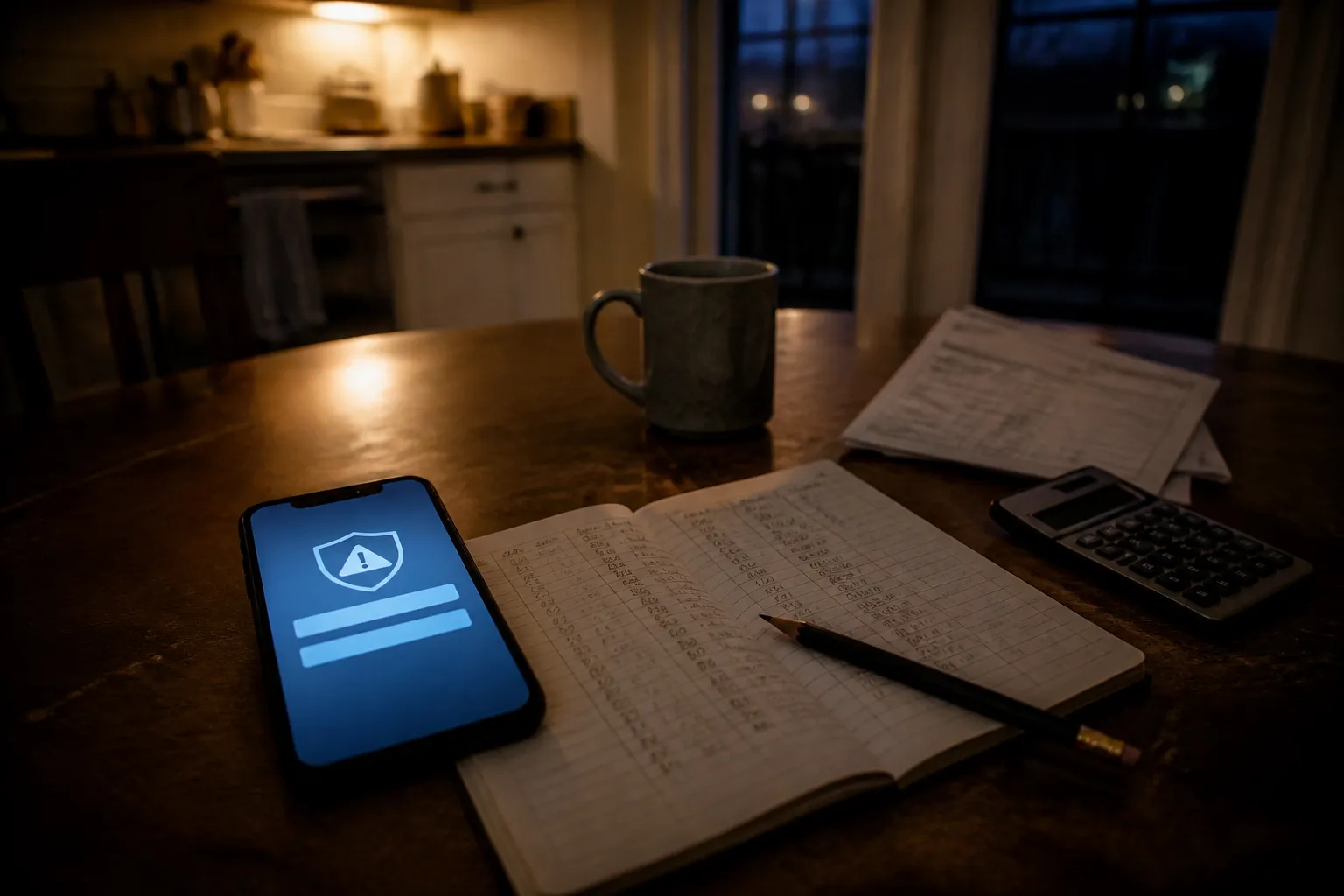
A text arrives at dinner. Your debit card was flagged for a $700 charge, it says. Seconds later the phone rings, and a calm voice says it is the fraud department. The caller needs you to act now. That pressure is the whole trick.
Why bank impersonation works
These scams borrow trust you already have. If someone says they are from your bank, your first instinct is to help them protect your money. The scammer counts on that.
The FCC has warned that scammers increasingly pose as banks by phone and text, and that victims are pushed to act immediately. A community bank's summary of the FCC alert lists the usual moves: fake fraud alerts, requests for account details, requests for security codes, and claims that your funds must go to a "safe" account. Some callers add a second voice, posing as a government agency or fraud investigator, to sound more official.
Caller ID does not settle anything. The CFPB lists spoofing among its key fraud terms, meaning a number can be made to look like someone else's. A caller who knows your name or the last four digits of your card has also not proven who they are. Treat those details as information anyone might have found, not as credentials.
Red flags on the phone
The biggest red flag is a demand to move your money. The FCC's message, as relayed in that summary, is that legitimate banks will never call or text and tell you to move your money to protect it. There is no safe account on the other end of that call. If a voice says there is, hang up.
Urgency is the second flag. A caller says a wire is leaving right now, or that your account locks in minutes. Real fraud systems flag odd activity on their own. They do not need you to settle it before dinner is over.
The third is a request for secrets. Scammers ask for one-time passcodes, passwords, PINs, or Social Security numbers. A one-time code exists so you can log in. If a caller asks you to read one aloud, they are almost certainly logging in as you at that moment.
The FTC's phone scams guidance and its alert on imposter scam trends cover the same ground. I did not find a specific loss figure in those pages, so none is cited here.
Red flags in text messages
Texts usually push you toward a link. The link opens a page that copies your bank's look and asks for your username and password. A message that says "approve or deny this transaction" with a link attached should be ignored.
The safer habit is simple. Open your bank's app or a bookmark you saved earlier, and look for the alert there. If nothing is waiting, the text was bait. You can also call the number printed on your card or statement.
The banking industry's American Bankers Association phishing page and its #BanksNeverAskThat campaign, described in AbbyBank's write-up, list similar warnings. Unexpected links, fear-based language, and surprise attachments top the list. Both sources are industry material, so weigh them accordingly.
Other quick checks:
- Do not reply to the text, even to say STOP.
- Do not call a number listed in the message.
- Use call-blocking tools when your carrier or phone offers them.
If you already shared a code or moved money
Call your bank right away. Use the number on the back of your card or on a statement. Ask them to freeze or replace the card, lock online access, and review recent logins and transfers. Then change your online banking password, and any other account that shares it.
Speed matters because of how the rules work. The CFPB has a page on getting money back after an unauthorized transaction. Under the Electronic Fund Transfer Act, how much you can lose on an unauthorized debit transaction generally depends on how fast you report it. The commonly cited windows are two business days after you learn of the problem and 60 days after the statement showing it. Check the current rules with your bank or the CFPB before relying on those numbers.
There is a catch. If you handed over a code or sent a payment yourself, a bank may treat the transfer as authorized, and recovery can be harder. It is still worth reporting quickly and asking the bank directly how it classifies the transaction. Do not assume it is lost.
Next, report the scam. The CFPB's fraud page says to submit a scam complaint through the Federal Trade Commission, not the CFPB. Write down the time of the call, the number, and what the caller asked for. That record helps your bank and the FTC.
Protecting the rent money
A drained checking account hurts most on the day bills come due. If rent or a utility payment is at risk, say so on the first call to your bank. Ask whether a pending dispute affects overdraft fees, and ask for any fee reversals in writing. Banks set their own policies here, so ask rather than assume.
Then contact your landlord or lender before the payment is late, and explain that you were the victim of fraud. A short note with a claim number is often better than silence.
One more habit helps. Set up transaction alerts in your bank's app, so a surprise charge reaches you the same hour. If a call ever makes your stomach drop, say "I'll call you back," hang up, and dial the number you already trust.
Please seek a professional. This article is general information, not financial, tax or insurance advice. Please seek a licensed financial, tax or insurance professional about your own situation.


