
A collections balance can look familiar and still be wrong. The account may not belong to you, the amount may not match your records, or the same debt may appear more than once. You have the right to dispute errors on your credit report. A careful review, followed by a written explanation and copies of relevant records, gives the reporting companies a clear account of what you believe needs correction.
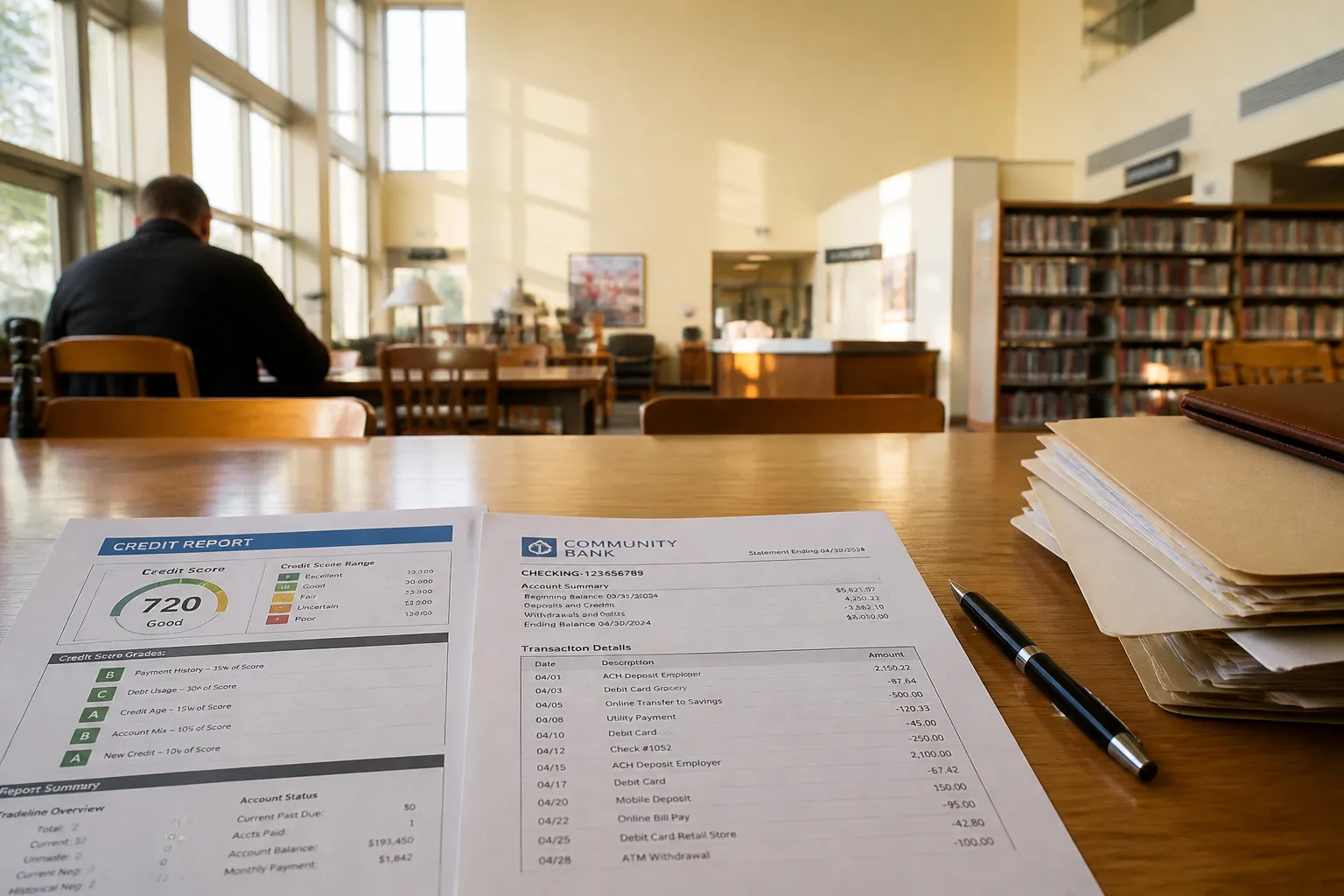
Read the entry before deciding what to dispute
Start with the collections line itself. Note the company reporting it, the original creditor if listed, the account number, the balance, and any dates shown. Compare those details with statements, payment confirmations, letters, or other records you already have. A difference is a reason to investigate. It does not, by itself, establish that the entry is inaccurate.
Common issues to check include an account that is not yours, a balance that does not match your records, a date that appears incorrect, or a duplicate entry for the same debt. Read each item separately rather than treating a credit report as one general record. If several entries seem wrong, write down which detail concerns you for each one. That makes it easier to explain the dispute without mixing up accounts or amounts.
The Consumer Financial Protection Bureau (CFPB) explains that consumers can dispute errors on their credit reports. Its credit report dispute guidance describes the basic process. If you think an entry may be connected to identity theft, IdentityTheft.gov is the federal government's resource for reporting identity theft and recovery steps. Consider that route as you decide how to address a possible identity theft issue.
Gather records and identify the exact entry
Before writing, get a copy of the report from each credit reporting company that shows the entry. The three nationwide companies are Experian, Equifax, and TransUnion. The same debt may not appear identically on every report, so check which company is reporting the balance and what information each report displays.
For every entry you plan to dispute, make a short record of the account number, balance shown, date reported, and the specific detail you believe is wrong. Keep the paperwork for each item together. Useful supporting documents may include account statements, payment confirmations, letters from a collector, or correspondence showing that a debt was resolved. Choose documents that relate directly to the point you are raising.
Send copies, not original documents. Keep the originals and a full copy of everything you send. A simple folder for each disputed entry can help you match the report, explanation, and supporting records. If you later need to review what you submitted, the packet will show the claim and its supporting evidence in one place.
Write a clear dispute to the reporting company
The CFPB says to begin by disputing the information with the credit reporting company or companies showing it. Explain in writing what you believe is wrong and why. Make the request specific: identify the entry and say whether you are asking for information to be corrected or removed. Avoid relying on a broad statement such as “the balance is wrong” without describing the discrepancy you found.
A mailed letter should include your complete name, address, and telephone number. Add the credit report confirmation number if you have one. Identify every item you dispute, including its account number, and explain the reason for each dispute. Request that the information be corrected or removed, and include a copy of the report section with the disputed entry circled or highlighted. Attach copies of the documents that support your explanation.
The CFPB provides instructions and a template letter that can serve as a guide. The template wording is not reproduced here, so check the CFPB page for its current version. If you mail your letter, certified mail with a return receipt requested can create a record that it was received. Keep a copy of the letter, every enclosure, and the mailing record together.
Also contact the company that supplied the information
The CFPB says that correcting an error generally involves contacting both the credit reporting company and the company that provided the information. For a collections entry, the reporting company and the information provider may be different businesses. The available CFPB guidance does not set out a collections-specific rule explaining when to contact the collector, the original creditor, or both. Check the CFPB's current instructions before assuming which company supplied a particular entry.
When you contact a company that supplied information, keep a record of the exchange. Note the date, how you contacted it, the name of anyone you spoke with if known, what you asked, and what response you received. Save copies of letters and other written communications. These notes can help you keep the reporting-company dispute and the information-provider contact straight.
Track the process and verify current guidance
The sources cited here do not specify response deadlines, so this guide does not give a timeline for when you should expect an outcome. They also do not explain what steps are available after a dispute decision, including how to challenge an unsatisfactory result. Check current CFPB guidance for details that apply to the stage you are at, and keep your records while you do so.
The available sources also do not establish whether a dispute has a fee, how a collections balance affects a credit score, or whether paying or settling a collection changes what appears on a report. A dispute is a way to ask that information you believe is inaccurate be reviewed. It does not guarantee a particular correction or score result. For a specific debt or possible identity theft, a qualified professional who can review the circumstances may be able to provide relevant help. This article is general consumer education, not personal financial, legal, or tax advice.
Please seek a professional. This article is general information, not financial, tax or insurance advice. Please seek a licensed financial, tax or insurance professional about your own situation.