











A final settlement can close a dispute with a bill collector or service provider. The account on your credit report may still show a balance, a past-due status, or other details you believe are wrong. Government guidance explains how to dispute credit report errors in general. It does not say how every settled account should appear. So start with your own settlement records, find the exact mismatch, and ask the companies involved to investigate.
Start with the specific field that does not match your records. A clear dispute names the account, explains the error, and points to documents that support your explanation.
Check what the report actually says
Get a copy of the report that contains the entry and read the account details closely. The Consumer Financial Protection Bureau (CFPB) recommends checking that the report contains only items about you, and looking for information that is inaccurate or incomplete. For an account tied to a settled bill, note whether the balance, status, or dates differ from what you understand the settlement to require.
Do not assume a label or balance is wrong just because the bill was settled. The CFPB pages reviewed here do not set out a reporting format for settled accounts. Compare the report with your agreement and your payment records. If the entry repeats the debt, names the wrong person, or shows a late status or balance that conflicts with those records, describe that exact issue. A general dispute of the whole account is easier to brush aside.
The CFPB lists common errors. They include a wrong current balance, wrong dates, an account shown as late when it was not, and the same debt listed more than once. It also tells readers to watch for accounts that belong to someone else or stem from identity theft. Review the CFPB’s list of common credit report errors as you check each field.
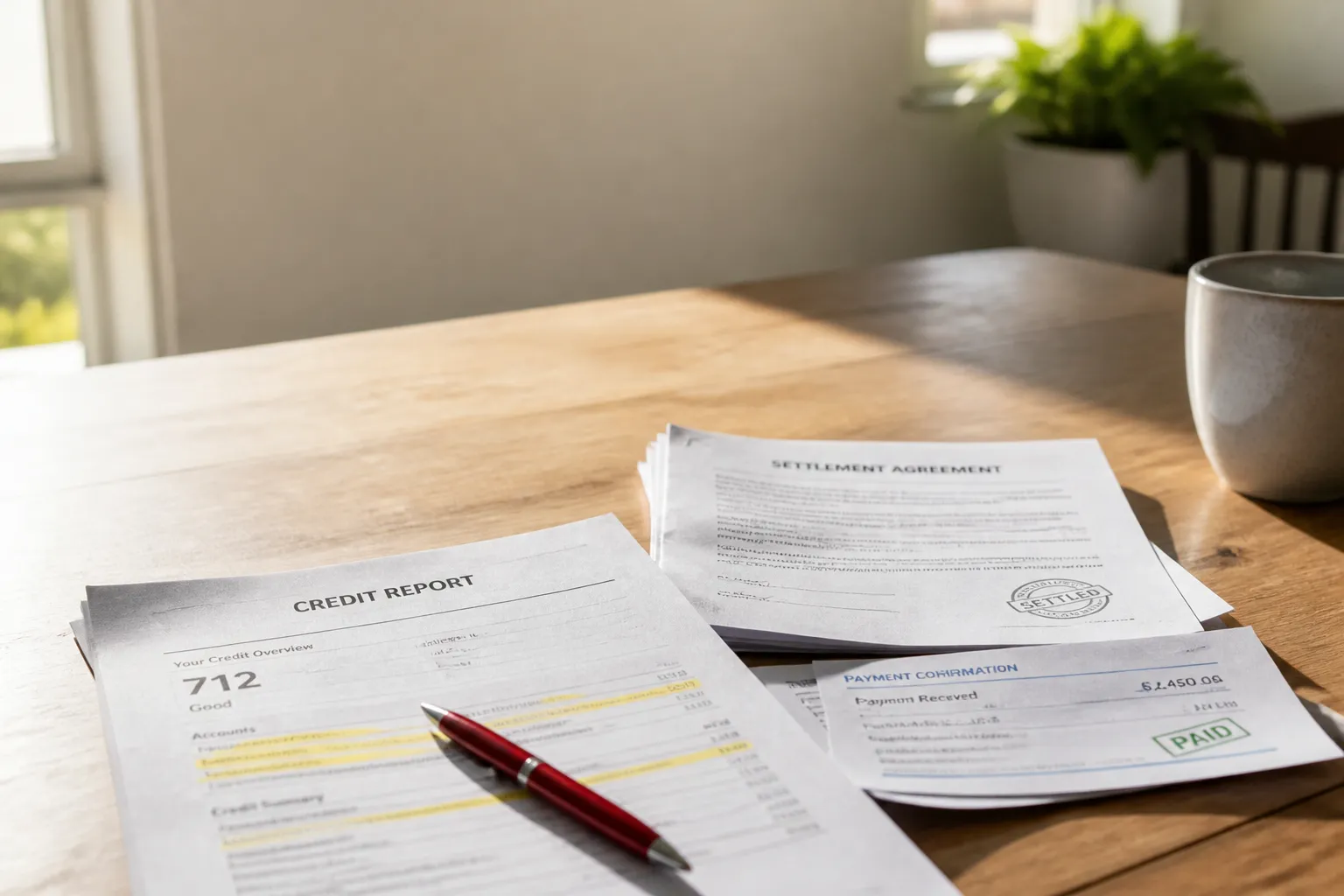
Gather records before you write. A settlement agreement, a payment confirmation, and any letters about the account can help show what is inaccurate. That list is a practical suggestion, not a requirement from the CFPB. Keep the originals and send copies. Save a copy of the report page with the disputed entry too.
Send the dispute to both parties
The CFPB says fixing an error generally means contacting both the credit reporting company and the company that supplied the information. That supplier is often called the furnisher. The credit reporting company can investigate the entry in your report. The furnisher is the source of the data. Writing to both gives each a chance to review the problem.
Write to each credit reporting company that shows the error. Write separately to the furnisher. State the settlement terms as you understand them and say what the report currently shows. Then ask for a correction if the investigation finds the entry inaccurate or incomplete. Keep the request on the factual difference you can point to, since no process for settled bills appears in the guidance reviewed.
The CFPB offers sample letters for both kinds of disputes. They can help you organize the details. Make sure any template reflects your own records and the one field you are challenging. Read the CFPB’s general instructions for disputing a credit report error for the steps and sample-letter links.
Make the written dispute specific
For a mailed dispute, the CFPB says to include your full name, address, and phone number, plus the report confirmation number if you have one. Identify each error with its account number. Explain what you think is wrong and why, and ask that the item be corrected or removed. For example, you might ask the company to review a balance that does not match the payment you made under the settlement. Do not claim more than your documents show.
Include a copy of the report section with the disputed items circled or highlighted. Attach copies of your supporting documents, not originals. The CFPB notes you can send the letter by certified mail with a return receipt, which documents that it arrived. Keep a full copy of each letter and attachment, plus the mailing date.
- Name the account and the exact field you dispute.
- Explain how the report differs from the settlement terms or payment records.
- Say what correction you want.
- Mark the report entry and include copies of records.
- Save copies of what you send and any replies.
One consumer guide from a class-action information site says the Fair Credit Reporting Act generally gives the credit reporting company 30 days to investigate. It also says disputes with the three nationwide companies are free. I could not confirm either point against the statute or a regulator page, and the rules have exceptions. Check the current text of the law or CFPB guidance before you count on a deadline.
Track the response and decide what to do next
Keep a simple log. Note where you sent each dispute, when it arrived, and what each company said. If a reply skips the field you challenged, compare it with your original letter. Then follow up with both the furnisher and the credit reporting company, and name the unresolved point. One response does not necessarily close the matter.
If a credit reporting company does not fix the problem, the CFPB suggests filing a complaint with the bureau. Include a short timeline and copies of your records. A complaint does not guarantee any outcome, and it does not promise a change in your credit score.
If you think the account is not yours or comes from identity theft, the CFPB points to IdentityTheft.gov, the federal government's resource for reporting and recovering from identity theft. A wrong-person account needs a different explanation from a balance dispute. Say plainly why you believe the entry has nothing to do with you.
The guidance here covers general credit report disputes, not a special rule for final settlements. State-law protections were not part of this review. If the disagreement drags on and your rights depend on your situation, a consumer-law professional or a state agency may be able to help. This article is educational and is not legal, financial, or tax advice.
Please seek a professional. This article is general information, not financial, tax or insurance advice. Please seek a licensed financial, tax or insurance professional about your own situation.


