











An account you do not recognize on your credit report can be a sign of identity theft. You have the right to dispute information that is wrong or does not belong to you, and the process is free. A written dispute gives you a way to identify the account, explain the problem, and ask for a correction.
Look for accounts and details you do not recognize
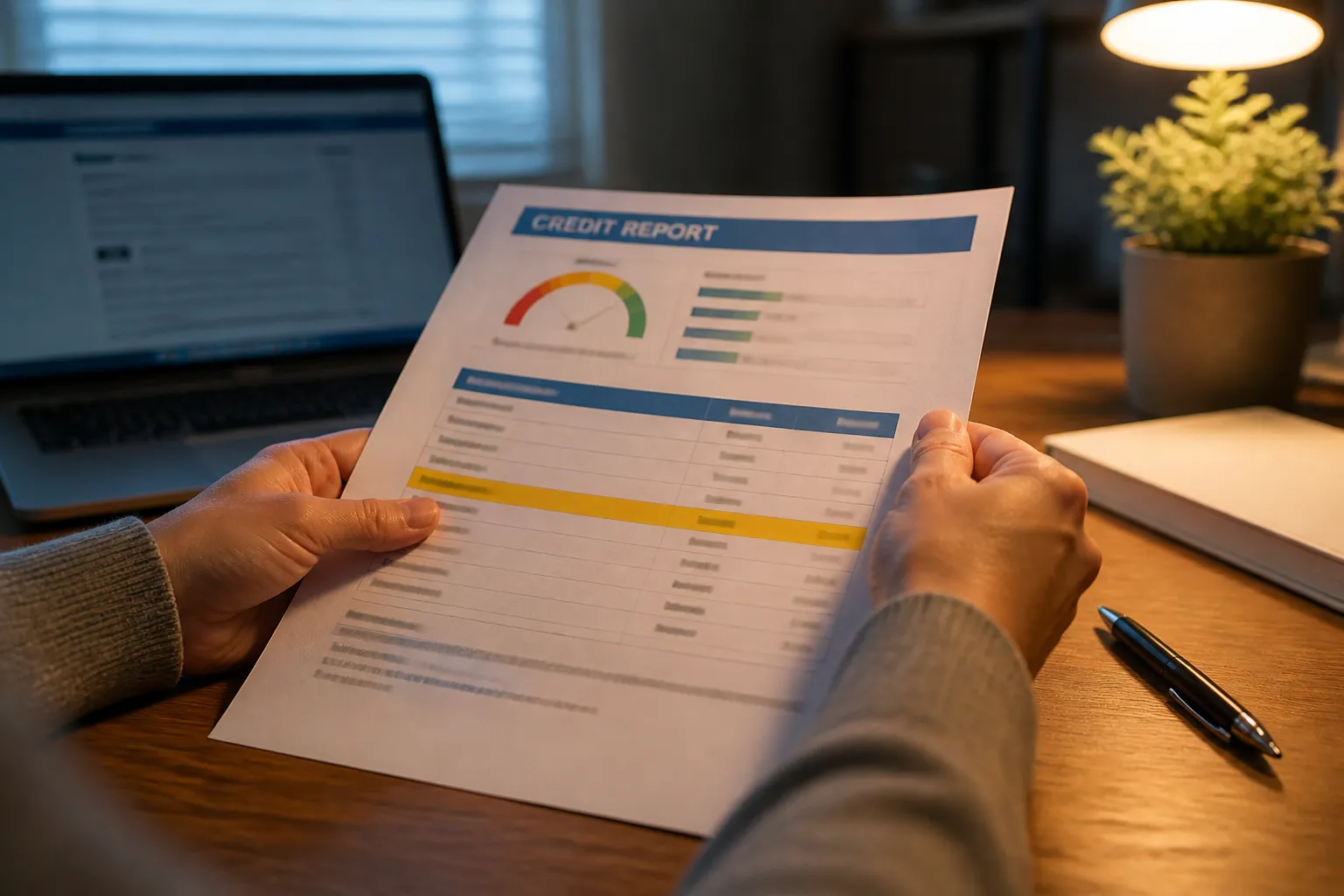
Review your credit reports for accounts you did not open, unfamiliar addresses, and debts you do not recognize. An unfamiliar entry does not by itself prove identity theft, but it is worth investigating. Note the account number, the company reporting it, and which credit report contains it.
The three nationwide credit reporting companies are Equifax, Experian, and TransUnion. Check each report rather than assuming the same information appears on all three. The Consumer Financial Protection Bureau, or CFPB, explains how to dispute credit report errors, including errors connected to accounts you did not open.
Build a written dispute
Start with a letter to each credit reporting company whose report contains the error. Identify each disputed account and explain plainly why it does not belong to you. Ask the company to remove or correct the information. If several entries are wrong, list each one separately so the company can see what you are disputing.
A dispute package can include:
- Your full name, address, telephone number, and credit report confirmation number, if you have one.
- The account number for each disputed item, your explanation, and your request for removal or correction.
- A copy of the relevant part of your credit report, with the disputed items circled or highlighted.
- Copies of documents that support your claim, such as an Identity Theft Report.
Send copies rather than original documents, and keep a copy of the full package for your records. Certified mail with a return receipt can give you a record that the credit reporting company received the letter. Keep that receipt with your copy of the dispute.
Contact the reporting company and the furnisher
Fixing an error generally means contacting both the credit reporting company and the business that supplied the information. That business is often called the furnisher. Send the furnisher a dispute explaining that you did not open the account, identify the account, and include copies of your supporting documents.
If the account appears on more than one report, send a dispute to each credit reporting company that lists it. Keep a separate record of what you sent and when. According to the CFPB, credit reporting companies must conduct a reasonable investigation and fix mistakes as needed, usually within 30 days. They cannot charge you to dispute an inaccuracy. The CFPB also explains why you should contact both the reporting company and the furnisher.
Report the identity theft and protect other accounts
A credit report dispute addresses the information on the report. You can also take steps to address the underlying theft. The CFPB recommends contacting the security or fraud departments of financial institutions, closing compromised accounts, and reporting the theft to local police and at IdentityTheft.gov. The federal identity theft site provides an Identity Theft Report and a recovery plan.
Keep the report and any police documentation with your dispute records. Those documents can help support your account of what happened. The CFPB’s identity theft guidance also describes fraud alerts and security freezes, which can help protect your credit history while you work through the problem. Check each credit reporting company’s official consumer information for its current process.
If the dispute does not fix the problem
Keep the investigation response with your other records. If your written dispute with the credit reporting company does not fix the error, you can file a complaint with the CFPB. Your letters, supporting documents, and delivery records can help you explain what you disputed and what happened afterward.
Disputes are for errors, including information that is not yours or resulted from identity theft. Accurate negative information generally cannot be removed simply because you want it gone. Most accurate negative information remains on a credit report for seven years, and some types stay longer. The CFPB notes that you can also dispute accurate information that appears multiple times.
Keep your records and watch for scams
Save copies of letters, receipts, responses, and confirmation numbers in one place. For phone calls, record the date, the organization you contacted, and what you discussed. A paper trail makes it easier to follow the dispute and explain the history if you need to complain.
Be cautious of anyone who promises to remove current, accurate negative information for a fee. Disputing inaccuracies is free, and the CFPB says there is no reason to pay someone else to do it. Scammers may also impersonate government agencies, law enforcement, or financial institutions. Verify unexpected contacts using an official website or a phone number you find yourself.
The FTC does not threaten people or ask them to transfer money to protect it. A request to withdraw cash or buy gold to hand over is another scam warning sign. You can pause and verify the contact before sharing information or sending money.
Please seek a professional. This article is general information, not financial, tax or insurance advice. Please seek a licensed financial, tax or insurance professional about your own situation.


