











When an unexpected pre-approved credit offer arrives in the mail or a debt settlement outfit calls your private mobile number, your personal data has likely moved through a shadowy secondary market. Data brokers compile extensive files on consumers without their direct permission, gathering purchase records, location logs, and public filings. Determining whether one of these firms holds your specific bank balances or card transaction history requires navigating public state registries, filing statutory requests, and understanding the clear boundaries of existing privacy laws.
- Check state registry listings. Start by reviewing state registries to identify which companies operate as registered brokers and what general types of data they report collecting.
- Review reported data recipients. Read the disclosed lists of entities that buy or license records from each registered broker to gauge where consumer records circulate.
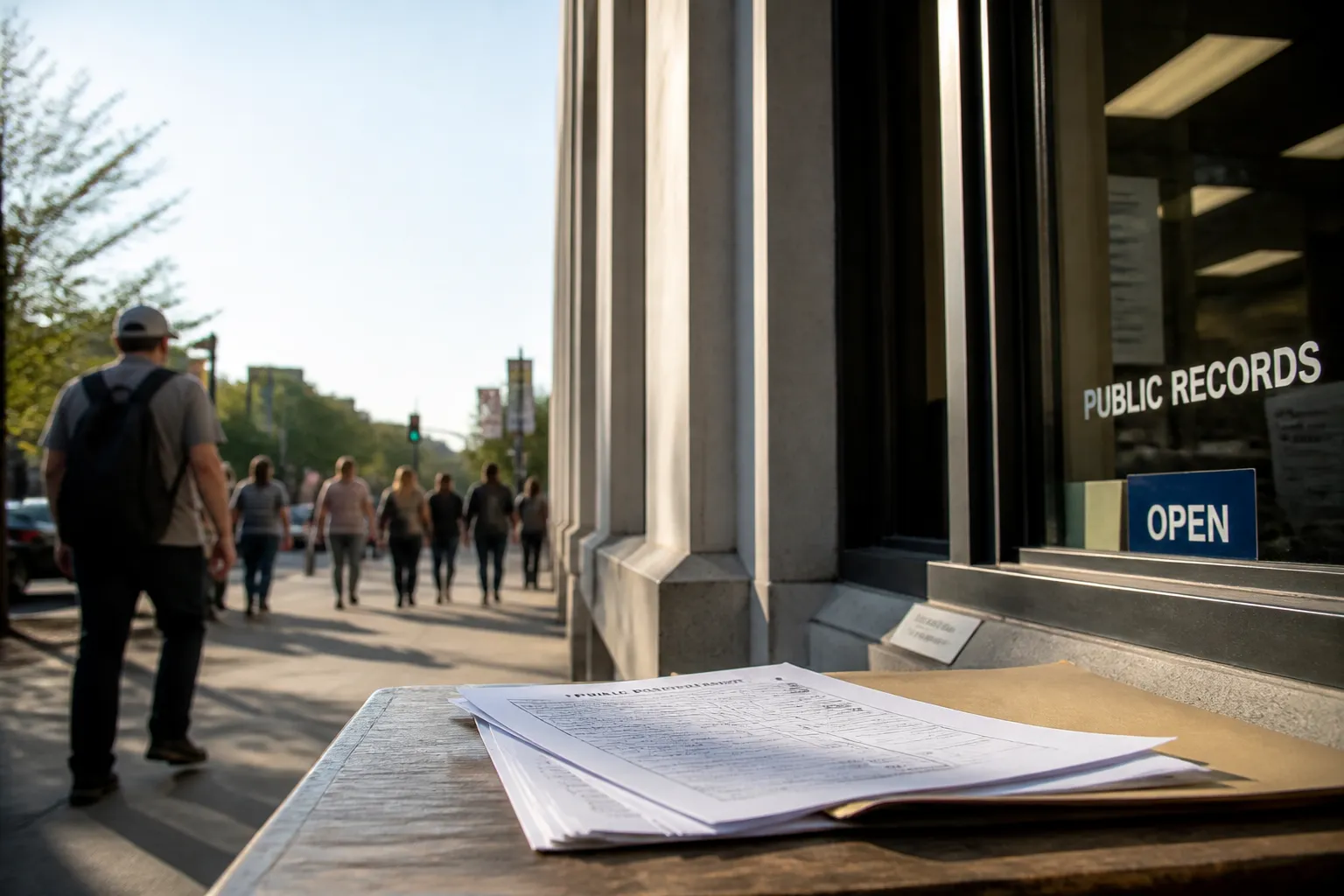
- Verify multi-state compliance. Cross-reference broker names across multiple state reporting databases to pinpoint active firms that evade registration rules.
- File official deletion and opt-out requests. Submit centralized deletion requests through state-run portals rather than paying third-party commercial services.
What a data broker is and why it is hard to see
Data brokers operate entirely in the background. Unlike retail banks, grocery chains, or utility providers, a data broker maintains no direct commercial relationship with the individuals whose lives it documents. According to research from the Privacy Rights Clearinghouse, these firms assemble files from public deeds, store loyalty programs, app telemetry, browsing trackers, and other middlemen. Because their clients are commercial businesses rather than ordinary households, you will never see a broker's corporate name printed on your monthly checking account statement.
The breadth of records collected by these entities extends well beyond simple phone directory entries. As outlined by the California Data Broker Registry, registered entities report holding Social Security numbers, precise GPS coordinates, health inquiries, and detailed purchase records. When these pieces connect, they create an intimate financial silhouette. A single profile can link a vehicle loan filing, an address change, and discount-card grocery visits, providing outside companies with detailed estimates of a household's spending capacity.
Using state data broker registries to trace records
State disclosure mandates provide the first public window into this industry. Under California law, any business meeting the statutory definition of a data broker must register with the California Privacy Protection Agency, known as CalPrivacy, between January 1 and January 31 each year. The resulting public ledger outlines each company's operating details, the broad categories of information it harvests, and the third parties that purchase or receive its files. Reviewing these filings allows consumers to see which brokers trade in sensitive financial indicators.
Registration requirements are expanding across the country, though national coverage remains limited. At present, only four states, California, Oregon, Texas, and Vermont, require data brokers to register formally, according to analysis in the Columbia Science and Technology Law Review. If a firm operates in the marketplace but skips state registration lists, it may be out of compliance. CalPrivacy has issued fines and ordered non-compliant brokers to cease operations, and legislative updates like Senate Bill 361 have increased statutory penalties to $200 per day per violation.
How the DROP deletion platform works
To eliminate the burden of contacting hundreds of individual marketing agencies, California enacted the Delete Act, which established the Delete Request and Opt-out Platform, or DROP. Managed directly by CalPrivacy, the system described in the state's overview of DROP and the Delete Act allows state residents to transmit a single, binding deletion request to more than 600 registered entities. The service is permanently free, and state regulators emphasize that consumers should never pay an intermediary to access the portal.
The operational mechanics of the platform rely on strict identity safeguards. According to the state's documentation on how DROP works, California residency is validated through the California Identity Gateway, which does not store personal credentials. The personal data you enter into DROP is cryptographically hashed, meaning raw identifying numbers are never stored in the registry database or forwarded directly to brokers. Instead, registered brokers access DROP every 45 days, hash their own internal files, match the encrypted strings, and execute deletions on a rolling 45-day cycle as explained in CalPrivacy's report on DROP data broker deletions.
Submitting multiple verified identifiers, such as an advertising identifier or vehicle identification number, can improve the match rate across disparate databases. Once submitted, users receive an 8-digit identification code to monitor progress through the official DROP platform portal. Regulators warn users to keep this code private. Status updates may take up to 90 days to appear, but once a deletion is executed, brokers are legally prohibited from rebuilding that individual's file from subsequent data harvests.
Questions to ask and industry warning signs
Consumers who want to monitor their personal information must keep a close eye on public records and watch for commercial traps. When evaluating whether an unknown entity handles your data, cross-reference its name against the Privacy Rights Clearinghouse database, which tracks more than 750 active operators. Review the firm's mandatory state filings to inspect what categories of sensitive records it acknowledges holding, and check whether it has registered in all four mandatory reporting states. A company that registers in Vermont or Texas but skips California warrants extra scrutiny.
Consumers must also guard against predatory privacy services. Any commercial website or mobile app demanding upfront fees or monthly subscriptions to submit a DROP request is charging for an otherwise free state service. By mid-2026, more than 325,000 consumers had utilized the free state portal. Paying an outside vendor does not expedite state-mandated deletion schedules, nor does it guarantee broader legal compliance than the free public pathway.
What the public sources do not settle
While public registries and statutory deletion tools provide helpful consumer leverage, existing public sources leave major gaps regarding specific financial holdings. Current state registry listings categorize personal information in broad buckets, such as financial details or commercial purchases. They do not reveal whether a specific broker possesses your exact checking account number, credit card statements, or monthly loan balances. A listing confirms only that a company collects that category of information across its broader pool of subjects.
Federal safeguards also remain fractured. As legal researchers observe, there is no comprehensive federal statute that oversees data brokers or standardizes opt-out rights across all fifty states. The Consumer Financial Protection Bureau examined rules to restrict the sale of sensitive identifiers under the Fair Credit Reporting Act, as detailed in coverage of the CFPB proposed data broker rule, but later concluded that formal regulation was not necessary at that time. Furthermore, public resources do not document statutory exemptions that allow brokers to retain certain transaction records for fraud detection or tax reporting. Until federal privacy frameworks align, identifying and purging financial dossiers will remain an imperfect, state-by-state process.
Please seek a professional. This article is general information, not financial, tax or insurance advice. Please seek a licensed financial, tax or insurance professional about your own situation.


