











A phone call alone does not trigger the federal right to stop a debt collector’s calls. For a covered debt collector, the key step is a written request telling it to stop contacting you. That request can end most contact, but it does not cancel the debt or block every lawful collection step.
A written stop-contact request changes how a covered debt collector may communicate with you. It does not decide whether the debt is valid or erase any amount you may owe.
Why a written request matters
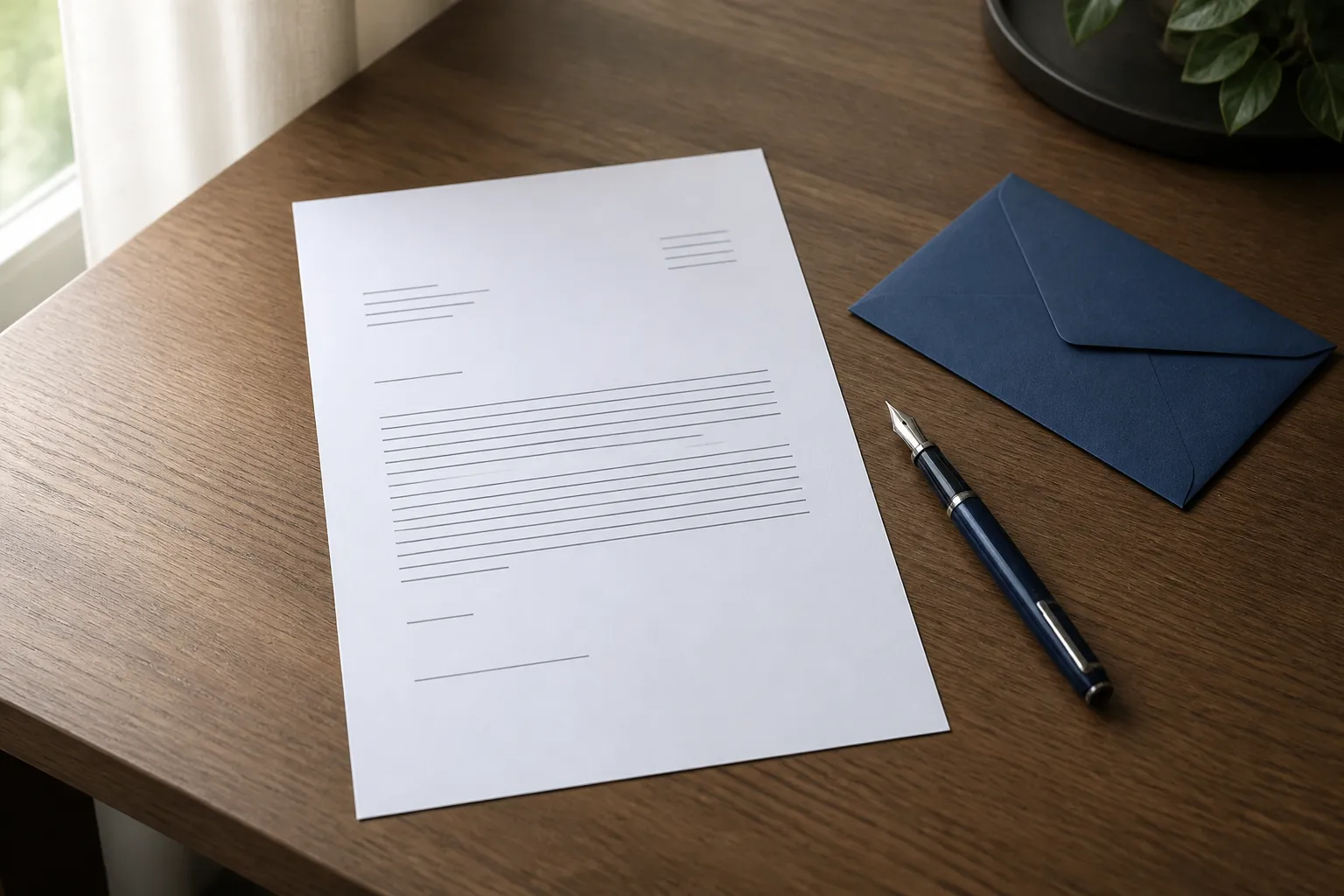
The Fair Debt Collection Practices Act gives consumers a way to tell a covered debt collector to stop communicating. The request must be in writing. Asking during a phone call may make your wishes clear, but it does not trigger the same federal rule. The Consumer Financial Protection Bureau (CFPB) explains how to make the request and what may happen afterward.
Keep the purpose narrow. You are asking the collector to stop contacting you, not agreeing that the debt is yours. A stop request does not cancel a valid debt. The collector or creditor may still use other lawful options, such as filing a lawsuit or reporting negative information to a consumer reporting company. Ignoring calls about a valid debt usually does not make it go away.
A written request also gives you a record of what you asked and when. Keep a copy of the letter and any reply. If the collector gives you validation information by phone or email and you want to respond, the CFPB recommends doing so in writing. Save dates and notes about later contact with your records.
Write a clear request and keep proof
A short, factual letter is usually enough. Include your name and, if you have it, the account or reference number from the collector’s notice. Say plainly that you want the collector to stop contacting you. You do not need to explain why. Leave out financial details and any statement about whether you owe the debt.
Choose a delivery method that leaves a record. Tracked mail with a saved receipt or certified mail with a return receipt can help document when you sent it. These are recordkeeping choices. Keep the receipt with your copy of the letter, and save any response you receive.
The CFPB offers different sample letters for disputing a debt, requesting more information, stopping contact, limiting contact to your lawyer, and choosing how you want to be contacted. Its guidance for people contacted by a debt collector can help you choose the right request. These letters serve different purposes, so read the sample before adapting it.
- Put the date and your name on the letter.
- Use the collector’s reference number if you have one.
- State plainly that you want the collector to stop contacting you.
- Keep a copy, proof of sending, and any response.
Know what contact may continue
After a covered collector receives your written request, it generally may contact you only to confirm that it will stop, or to tell you that it or the creditor may take a specific action, such as filing a lawsuit. The request does not prevent other lawful collection methods. The communication rules appear in 15 U.S.C. § 1692c.
Other limits apply while collection contact is allowed. Collectors generally may not contact you before 8 a.m. or after 9 p.m. your local time. Weekend and holiday contact is not barred by the FDCPA unless the collector knows or should know that the time is inconvenient for you, as explained in the Wex overview of the Fair Debt Collection Practices Act.
If a collector knows you have an attorney, it generally may not contact you directly about the debt unless the attorney fails to respond within a reasonable time or agrees to direct contact. Collectors also may not discuss your debt with third parties beyond limited exceptions, such as your attorney or a consumer reporting agency. These limits do not mean every call from an unfamiliar number is automatically unlawful.
Check the debt before sharing information
A stop request addresses contact. It does not establish that the collector has the right person or the right amount. Before sharing financial details, ask for the caller’s name, company name, mailing address and phone number. Ask who the original creditor is, what amount is claimed, and how you can dispute the debt or check that it is yours. The CFPB’s debt collection rights guide recommends confirming these details.
Collectors generally must provide validation information during the initial communication or within five days of it. The notice includes a tear-off form for disputing the debt or requesting information. Read the notice and take note of any deadline printed on it. If you want to dispute the debt or ask for details, send that request separately from your stop-contact letter and keep a dated copy of each.
Be especially careful with an old debt. The time limit for a lawsuit depends on the type of debt and the law that applies where you live. Check the relevant rules before paying or agreeing to a payment plan. A stop-contact letter does not resolve whether a lawsuit is possible.
Document pressure tactics and report concerns
Be wary if a caller will not provide validation information or asks for sensitive details before identifying the company. Threats of arrest over a consumer debt are a serious warning sign. The FDCPA prohibits threats of action that is not actually intended. The Federal Trade Commission has also warned about scam calls claiming that someone faces arrest over missed jury duty. Its consumer alert describes warning signs.
If calls continue after your letter, keep a dated record. Save the letter, delivery receipt, replies, and notes about each later call. Record the date, time, number shown, caller’s name if available, and what was said. A note such as “3 p.m., voicemail, no name given” is useful. You can use the CFPB’s debt collection resources to reach its complaint options, and the FTC’s consumer guidance to find its reporting options. Follow the agencies’ current instructions rather than relying on a collector’s description of how to report a concern.
Before sending anything, make sure the letter says exactly what you want: stop contacting me. Then keep the dated copy where you can find it if another call comes in.
Please seek a professional. This article is general information, not financial, tax or insurance advice. Please seek a licensed financial, tax or insurance professional about your own situation.


