







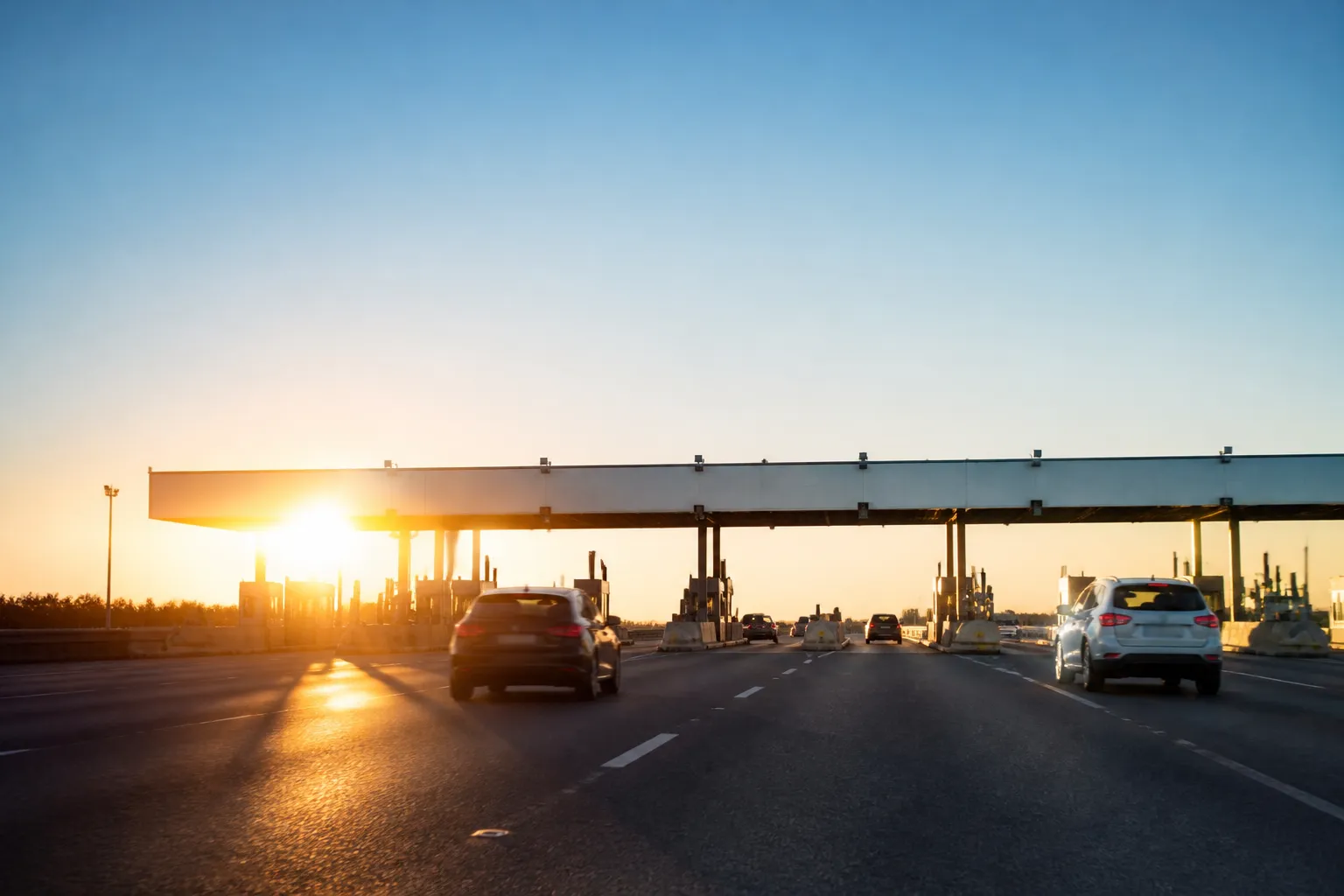
One reported fake notice demanded $6.99. An IC3 example text claimed $12.51. The amounts are small, the deadline is short, and a QR code or link sits right there. Scammers appear to count on people paying quickly rather than checking.
What the scam looks like
The setup is simple. A text, email or printed notice claims you have an unpaid toll or a parking violation. It tells you to pay now, often by scanning a QR code. The code opens a fake payment page that collects card numbers and personal details. The FBI's Internet Crime Complaint Center reported more than 2,000 complaints about toll texts from at least three states by April 2024, and the scam was moving between states (IC3). That alert is not recent, so treat it as a record of how the scam started, not a count of today's volume.
Some notices go further and borrow the look of a court document. They add a seal, a case number and a threat of arrest or a court appearance. For a $6.99 toll, that is a lot of drama. Security reporters have described this pattern in traffic violation texts that switched to QR codes (BleepingComputer).
Where the QR code hurts you
Urgency is the core tactic. The messages threaten rising fees, debt collection, a suspended license or registration, or arrest. One IC3 example text claimed a $12.51 toll and threatened a $50.00 late fee. Pressure like that is likely meant to keep you from stopping to check.
The code itself can be a trap. Some route through a captcha page first, which BleepingComputer says is used to hinder security scanners and researchers. A QR code also hides the web address until you open it, so you cannot judge the destination by eye.
Scammers do not only use texts. AAA warns that fake QR stickers get placed over real ones on parking meters, restaurant menus and other public spots (AAA). A sticker on a meter looks like part of the meter. That makes it easy to trust.
The Better Business Bureau described a parking lot case where a driver entered card data and was charged $39.99 by a site that was not the city's parking service. In that kind of scam, the victim may be signed up for an unrelated recurring digital membership. Charges from companies posing as parking services can show up on a statement later (BBB). So a clean first charge does not mean the problem is over.
Red flags, in the order to check them
Start with the message itself. Run through these before you touch the code or tap the link.
- Threats. Arrest, license suspension or debt collection over a toll or parking charge.
- Court costume. A seal or case number on what should be a routine traffic matter.
- Thin details. No specific account number, violation date or location.
- Shifting contacts. Phone numbers or links that do not match the agency, or that change from state to state.
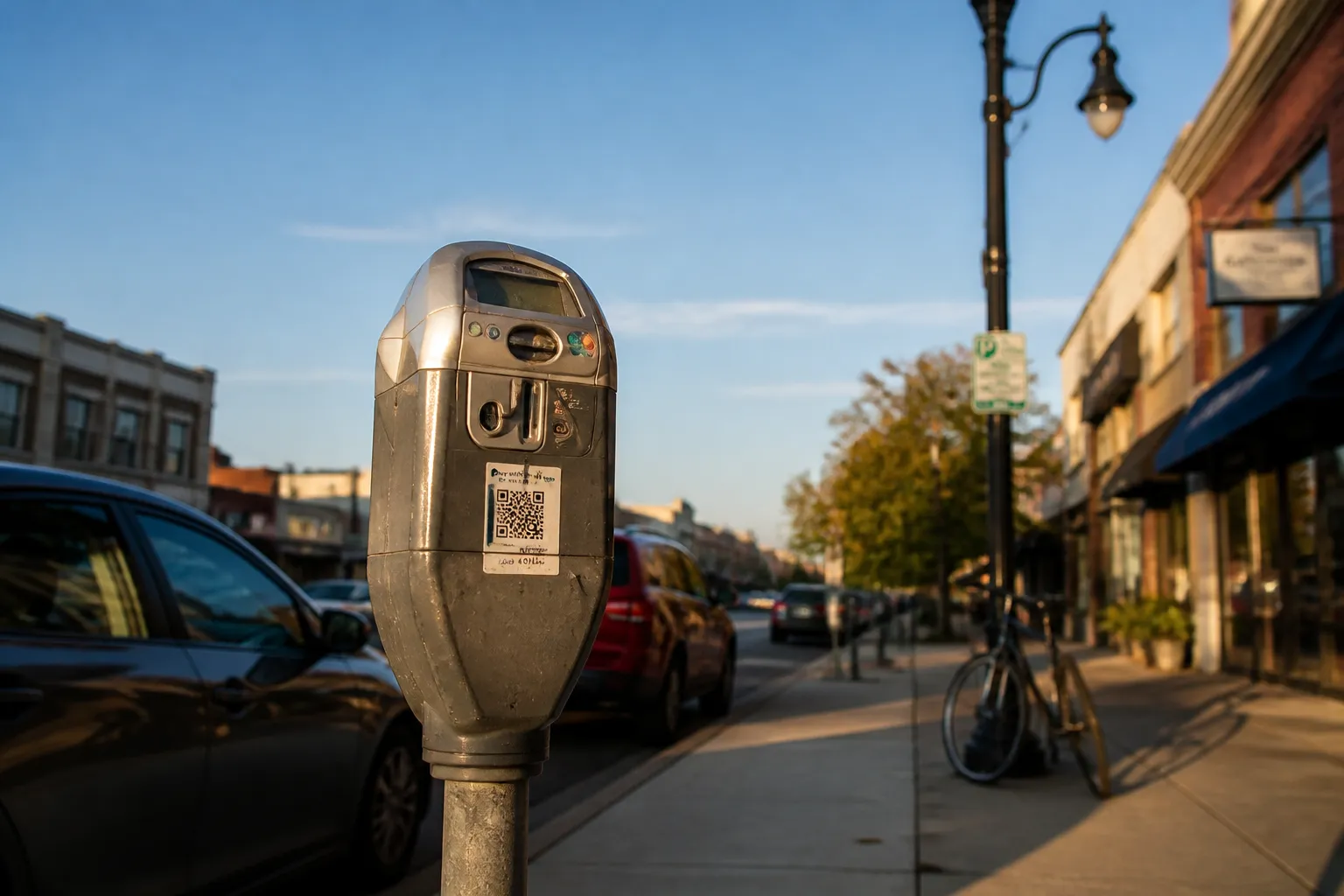
Now the physical checks. These apply when the code is on a sign, meter or sticker rather than in a text. Look closely, because the tell may be a small one, like an edge that lifts or a code that sits a few degrees off square.
- Layering. Does the code look stuck on top of another one? Peeling edges or misalignment are warning signs.
- The printed address. Read the web address near the code. Does it match the agency's known domain?
- The ask. A page that wants card details with no account, violation or proof of parking deserves a pause (AAA).
Verify first, pay second
Do not use the number or link in the message. Find the toll or parking agency yourself, through its official website or a phone number you look up independently. Then check the citation or account there. If the balance is real, the agency's own site or phone line should be able to show it. If they have no record, you have a strong sign the notice is fake.
Four questions help. Does the agency's own site or phone line show this balance? Does the address near the code match the agency's domain? Did you actually request this payment or get proof of parking? Does the charge on your card match the amount and merchant you expected?
The last question matters after the fact too. Check your statement in the weeks after any parking payment made by QR code. A small recurring charge from a company you do not recognize is worth chasing.
If you already paid, and what the sources leave out
If you already entered card details, or a charge looks wrong, the sources point to reporting it to the FTC and your state attorney general. They stay general on the steps. They also do not explain what to do if a card was charged, including dispute steps or timelines, so check current guidance from those agencies and your card issuer. The sources also do not say how to look up a real toll or parking balance in a specific state or city, beyond using the agency's official site.
The FTC has consumer alerts on traffic violation texts and QR codes in parking spots. This is general education, not personal advice. Checking with the agency takes a few minutes, and a real bill can wait that long.