









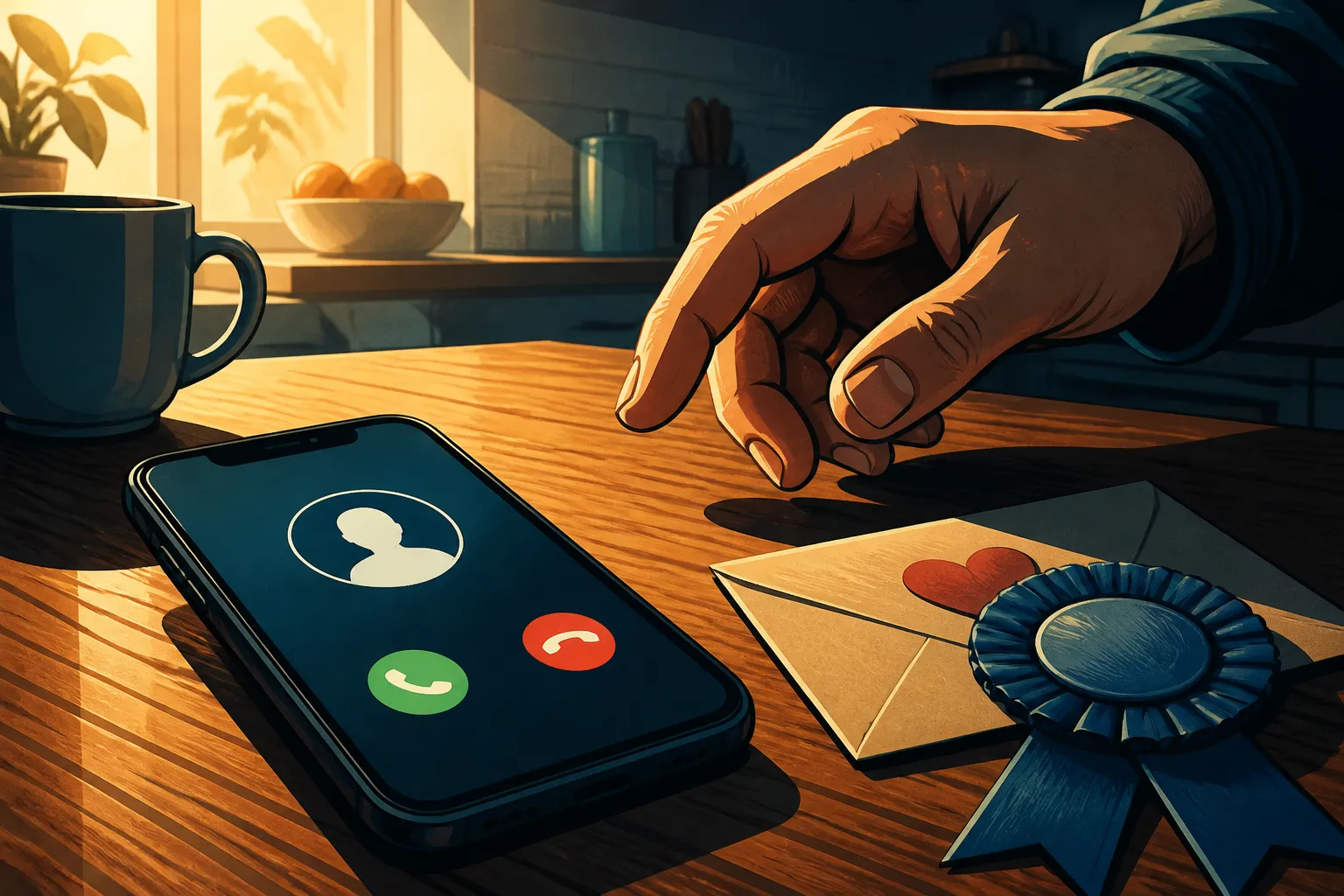
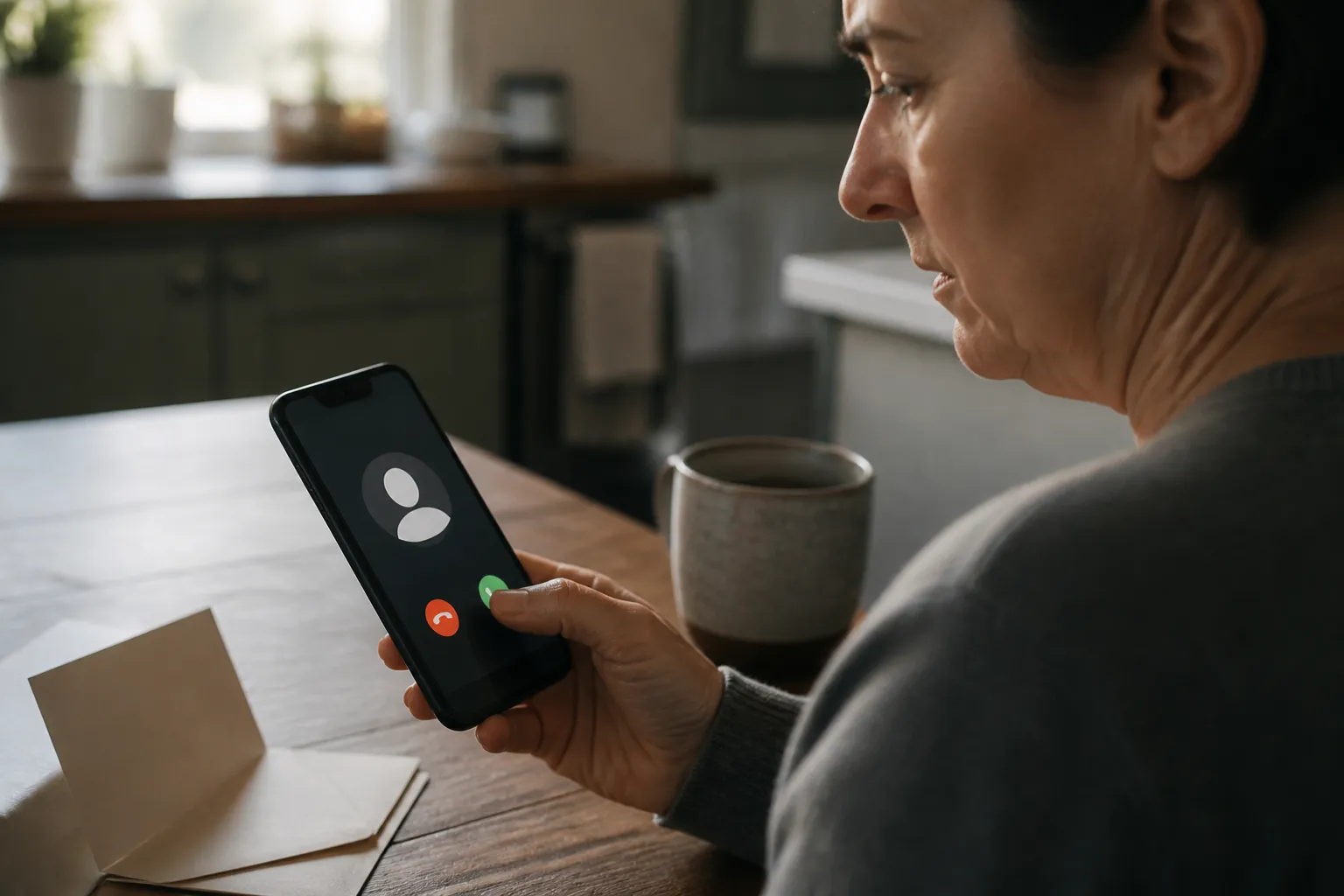
The phone rings. A friendly voice says you won a sweepstakes. The sponsor is a charity you gave to last year. You feel good for about four seconds. Then you have to decide what to do with that feeling.
How the impersonation works
Scammers impersonate all kinds of organizations. Reputable charities are on the list. The FTC describes a common setup: a call about a sweepstakes contest you supposedly won, from someone who says they work for a charity you support. The caller may suggest you won because you donated before [FTC].
Look at how the pitch is built. The prize is tied to your own good deed. That makes the offer feel earned instead of random. It also borrows trust from a name you already know. A familiar charity name is not proof of anything. Anyone can say it out loud on a phone call.
The same logic works in reverse. If you have never heard of the charity, a caller has to work harder. If you have, the caller gets a head start. That is why the FTC alert is worth reading even if you think you would never fall for a prize call.
The unsolicited prize call as a warning sign
The FTC is direct about this in a consumer alert: a random call saying you have won a prize is a scam [FTC alert]. The agency does not soften it.
So the central red flag is simple. You did not enter anything, yet you won. If the caller then adds a charity you have given to, that is not a second reason to trust them. It is part of the same pitch. The two red flags the FTC material points to, a prize you did not enter and a charity link you did not expect, reinforce each other instead of canceling out.
What to do first:
- Do not confirm any details about yourself.
- Hang up.
- Look up the charity's official contact information on your own, not from a number or link the caller gave you.
That third step matters most. Calling back a number the caller supplied only puts you back in the caller's hands. Finding the charity yourself puts you in control of the conversation.
Questions to ask before you give or respond
Two questions cover most of it. Did I actually enter this sweepstakes? Does the caller's link to the charity hold up when I check it myself? The FTC's alert frames the problem as telling a real charity-sponsored prize from a fake one, and those questions are a practical way to start sorting it out.
If either answer is fuzzy, wait. Do not share personal information. Do not send money. Give yourself time to check. Waiting costs you nothing if the offer is real, and it may save you a great deal if it is not.
It also helps to say the claim back to yourself in plain words. "A charity I gave to called me about a prize I never signed up for." Said that way, it sounds odd, and the oddness is the point.
Vetting a charity before you donate
Fake prizes are one side of this. The other is the plain donation request. The FTC has a consumer guide, Before Giving to a Charity, that is a sensible starting point. Its 2026 alert on donating makes the goal clear: support those in need, not a scammer [FTC donating alert].
The IRS also publishes an alert on common charitable contribution scams [IRS]. Read it directly. The sources reviewed for this article name the alert but do not spell out its contents, so its specific warning signs are best taken from the page itself.
A reasonable habit follows from all of this. Start any donation from your own side. Type the charity's address into your browser or use contact details you found independently. Do not start from a call, a text or a link someone handed you.
If you already responded
Sometimes the call is over before the doubt arrives. If you gave out personal details or sent money, the sources reviewed here do not lay out recovery steps, so this article will not invent any. The FTC's scams page is the best place to look for how to report a scam and what to do next. Go there first, and do it soon.
It is also worth reading the FTC's page on fake prize, sweepstakes and lottery scams. It covers the broader category that charity-themed prize calls belong to. Check what it says about your situation instead of relying on a summary here.
What this article cannot confirm
The sources reviewed here mostly give headlines and summaries. So some practical questions stay open: whether real sweepstakes ever ask for fees, what legitimate disclosures look like, and which payment methods scammers favor. The article also gives no loss figures or legal rules, because the sources did not supply any.
This is general education, not personal advice. The short version: an unexpected prize call is a warning. Hang up, look the charity up yourself, and decide after that.