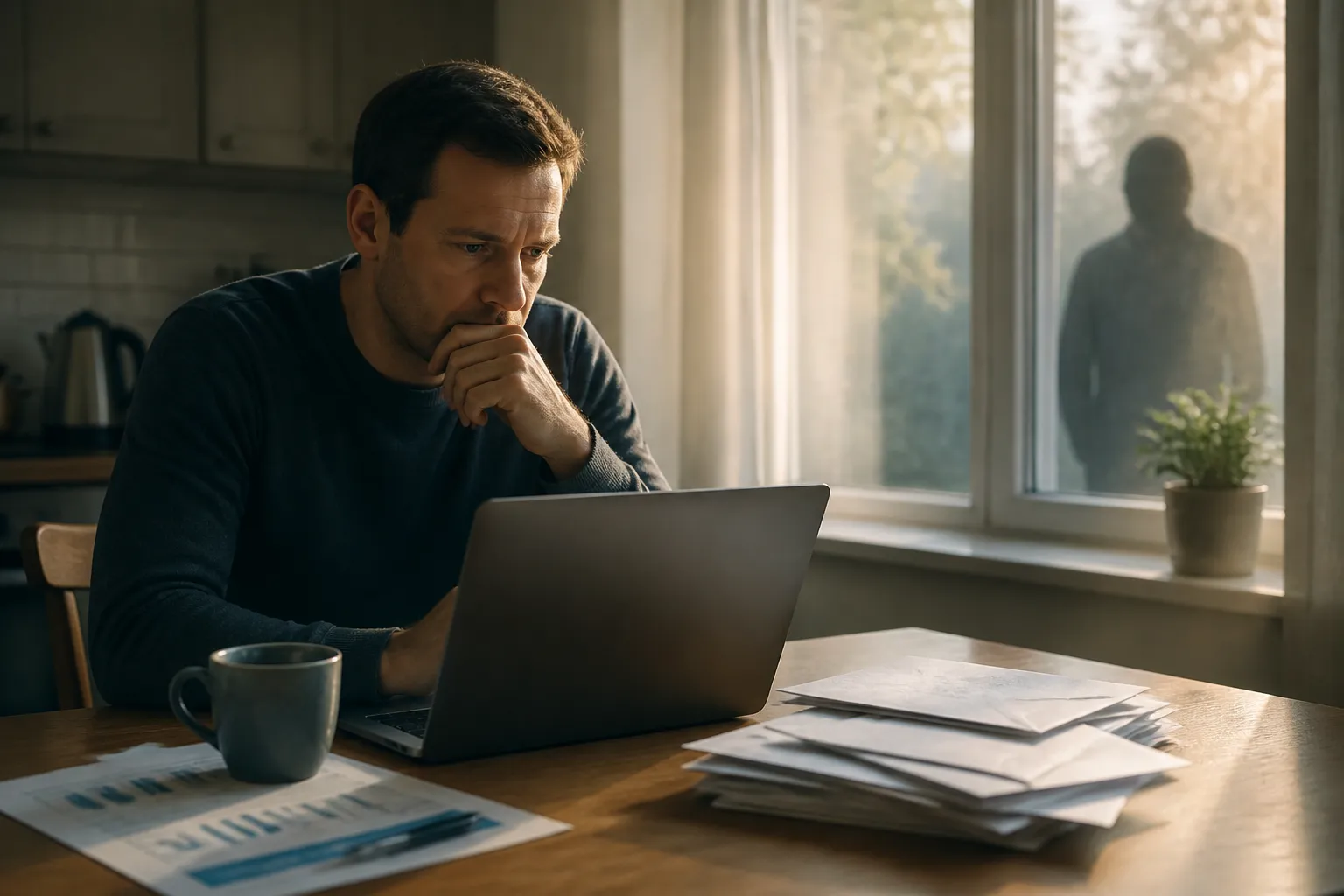











A text says you missed a court date. It names a judge. It names a clerk. It says an officer will visit unless you pay today. It is a good script, and it is built to make you move before you think. Slow down. That is the whole defense, and it costs nothing.
Why court-themed scam messages work
Scammers borrow the look and sound of the court system. The U.S. District Court for the Western District of Virginia warns that these messages can reference a judge, a clerk, or a court location. Real-sounding names do a lot of work. They make a stranger's message feel like official paperwork.
The Maryland Judiciary has described texts that name a judge, a clerk, and a law enforcement officer, tied to traffic violations at the District Court of Maryland. It also warned in February 2026 about a text scam that appears to reference the Baltimore City District Court and concerns toll violations. The Northern District of California has warned about a fake "summons" that demands money. The details change from message to message. Each one pairs an authority, a deadline, and a request for cash or personal details.
The pressure is the point. A message that insists you act now has told you something useful about itself.
Red flags to look for
Start with the biggest one. According to the Western District of Virginia, federal courts do not send summonses by email, text, or any other electronic means. Legitimate summonses arrive by U.S. Postal Service mail. A summons in your inbox is suspect before you read a word of it.
Then check the rest of the message against this list:
- It demands immediate payment or personal information.
- It threatens arrest, fines, or other consequences if you do not respond at once.
- It has a link or attachment asking you to "verify" details or "view" a document.
- It arrived by email, text, or social media instead of postal mail.
One flag is enough to pause. Several together make a scam far more likely. A polished design does not cancel them out. Neither does a judge's name that sounds real, since the sources note that scam texts use exactly that kind of detail.
What to do first if you get one
Do nothing with the message itself. Do not click links. Do not open attachments. Do not reply with personal or financial information.
Do not call the number in the message either. The sender picked that number, so it tells you nothing about the court.
Instead, look up the court's official website yourself and find its phone number there. Call and ask whether any real case or notice exists under your name. You are checking the claim without using a single detail the sender supplied.
Then report it. The Western District of Virginia points people to ReportFraud.ftc.gov and local law enforcement. The federal courts' scam page offers background on court-related scams. Keep a copy of the message, the sender details, and any phone numbers. A record helps if someone asks for it later.
Related impostor and phantom debt scams
Fake court notices sit in a larger family of impostor scams. Senders pose as debt collectors, agencies, or officials. The FTC has gone after phantom debt collectors who pursued people over debts they did not owe. One action led to a court order halting a scheme that took millions and threatened people's credit, homes, and employment. Another produced a permanent ban on phantom debt collectors. The agency also describes its wider work in a release on imposter scams.
Threats to credit, home, or job show up in these cases, so a message that leans on them deserves extra doubt. A message that wants money within the hour and offers no way to check it independently is out of step with how the courts, per the sources above, deliver notices.
What these sources do not cover
The sources here do not explain how a scam could touch your credit report, or what to do if you already paid or shared information. They also do not say how to search public court records, or how state courts differ from federal courts in issuing notices. For debt questions, the Consumer Financial Protection Bureau and the credit bureaus' consumer pages are reasonable places to start. A qualified professional can speak to your own situation. This article is educational only.
If you remember one thing, make it the mail rule. A real federal summons does not show up as a text. When one claims to, close the message, find the court's number yourself, and call.
Please seek a professional. This article is general information, not legal advice. Please seek a licensed attorney in your state about your own situation.