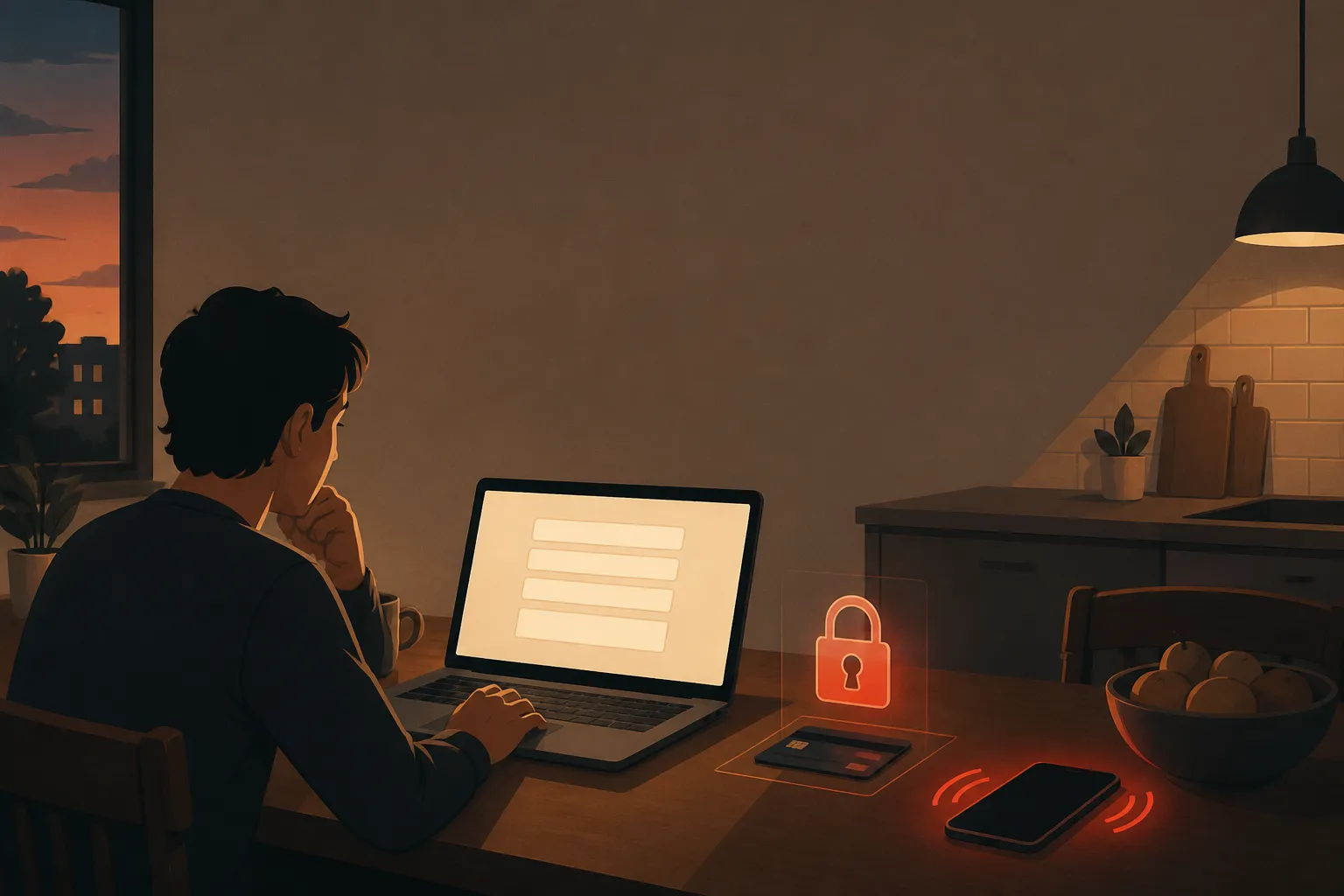








The call comes in at 4:45 on a weekday. Your power will be shut off within the hour unless you pay. The caller sounds sure. The number on your screen looks right. You have maybe sixty minutes to decide. That setup is not an accident. It is the whole design.
Why shutoff threats work
Scammers pose as utility companies and threaten immediate disconnection. The goal is simple. They want you to pay before you can check the claim. Urgency is the main tool. A threat to cut power today feels like there is no room to pause, and the scam depends on that feeling.
There is a useful baseline here. Real utilities typically send initial disconnection notices in writing. They do not usually make first contact by phone. So if the first you hear of a shutoff is a caller demanding money now, the order of events is already off.
The same playbook shows up elsewhere. Fraudsters also threaten legal action, sometimes tied to the IRS, or say they will turn off power to a home. The details change. The pattern does not: fear, a short deadline, and a demand to pay in a way that is hard to undo.
How impersonators make their messages look real
Caller ID can be faked. Fraudsters use software that makes a call look like it comes from a legitimate number. The Pennsylvania Public Utility Commission warned that scam calls spoofed its Philadelphia office number. It reported more than 70 calls in a single day from people who got suspicious calls that appeared to come from the agency. See the PUC consumer alert for the details.
The PUC also said it does not call individuals to demand payment for utility issues. That is worth remembering broadly. A familiar number on your screen proves nothing about who is on the line.
The messages are also getting better. AI is being used to clone the voices of utility representatives, build websites that nearly match official ones, and personalize messages. Smishing means fake texts that seem to come from your utility. Phishing means emails dressed up as bills. Either can carry fake numbers and links that lead somewhere other than the real company. More background is in this Safe Electricity guide.
Payment methods that signal a scam
Look at how they want to be paid. Utilities United Against Scams lists requests for immediate payment and requests to buy a prepaid debit card among the common scam types. Wire transfers, gift cards, reloadable cards and cryptocurrency are especially risky. They are hard to trace and hard to reverse. That is why scammers like them.
The FTC has warned that a barcode sent as a way to pay a utility is a scam. Its alert on utility barcode payment requests is short and worth a read. A real bill does not need you to scan an unfamiliar code from a text, email or call.
Overpayment claims are another twist. A scammer says you paid too much and asks for banking details to send a refund. A genuine refund does not require you to hand account information to someone who contacted you first.
Questions to ask before you pay
Start with a few plain questions.
- Did the utility send a written disconnection notice before this contact?
- Is the caller asking for immediate payment, a wire, gift cards, reloadable cards or crypto?
- Is the caller asking for your account number, personal details or banking information?
If any answer bothers you, stop there. Do nothing else yet.
Then check the account yourself. Hang up. Call the number printed on your bill or listed on the utility's official website, not a number the caller gave you. Ask whether you are past due and whether a disconnection is scheduled. If the account does not match the caller's story, you have your answer.
If someone shows up at your door claiming to be a utility worker, ask for official identification and look at it carefully. Still unsure? Call the utility on the bill's number before letting anyone in or paying anything.
Red flags and what to do next
The common red flags are easy to list:
- A threat to disconnect unless you pay right away
- Pressure to act fast
- Misspellings or poor grammar
- Odd email addresses
- A caller ID that looks legitimate
One flag deserves a closer look. Several together strongly suggest a scam.
Do not use links in emails or texts to pay. Type the utility's website address yourself, or use the phone number on your bill, and confirm the message before you act.
If you already paid someone you now suspect, contact your bank or payment provider right away and tell the utility. You can also report a utility impostor to a state consumer protection office or the FTC, and the FTC's page on scammers who pretend to be your utility company is a place to start. Keep records of the call, text or email, including phone numbers, links and payment details. They help with a report. This article is general education, not advice for your situation.