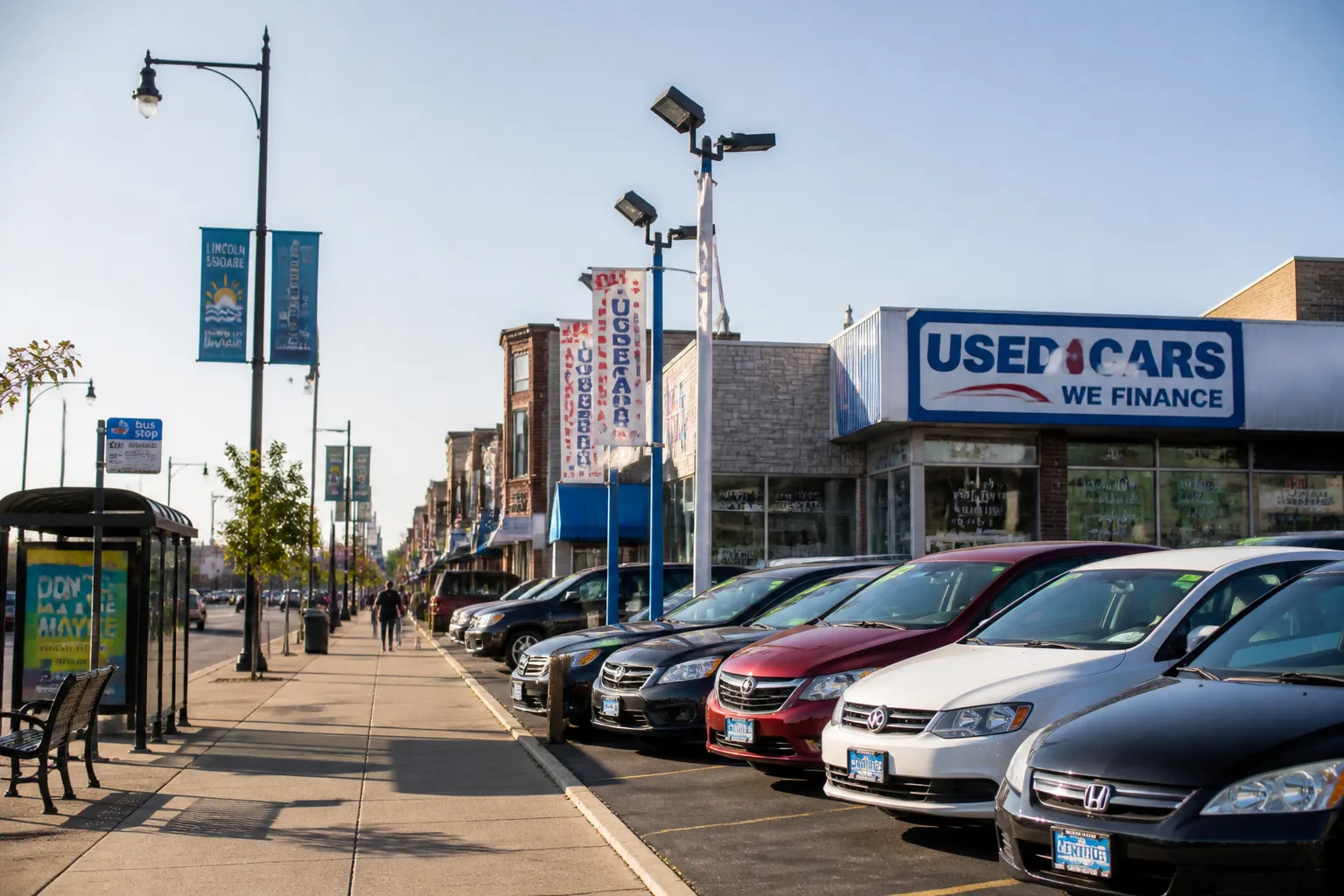
A settlement between state regulators and a major subprime auto lender looks like a single headline figure at first glance. For an auto borrower trying to manage payments, the reality depends on how the dollars divide between forgiven balances and real checks. An enforcement agreement announced by state attorneys general resolves long-running claims over costly vehicle contracts and hidden add-on fees. Regulators value the full resolution at roughly $700 million, while legal industry analyses place the figure near $694 million.
- The package directs $388 million in debt relief toward consumers whose vehicles were repossessed after they fell behind on payments.
- The package allocates $246 million in balance reductions to help struggling borrowers keep their cars and avoid immediate repossession.
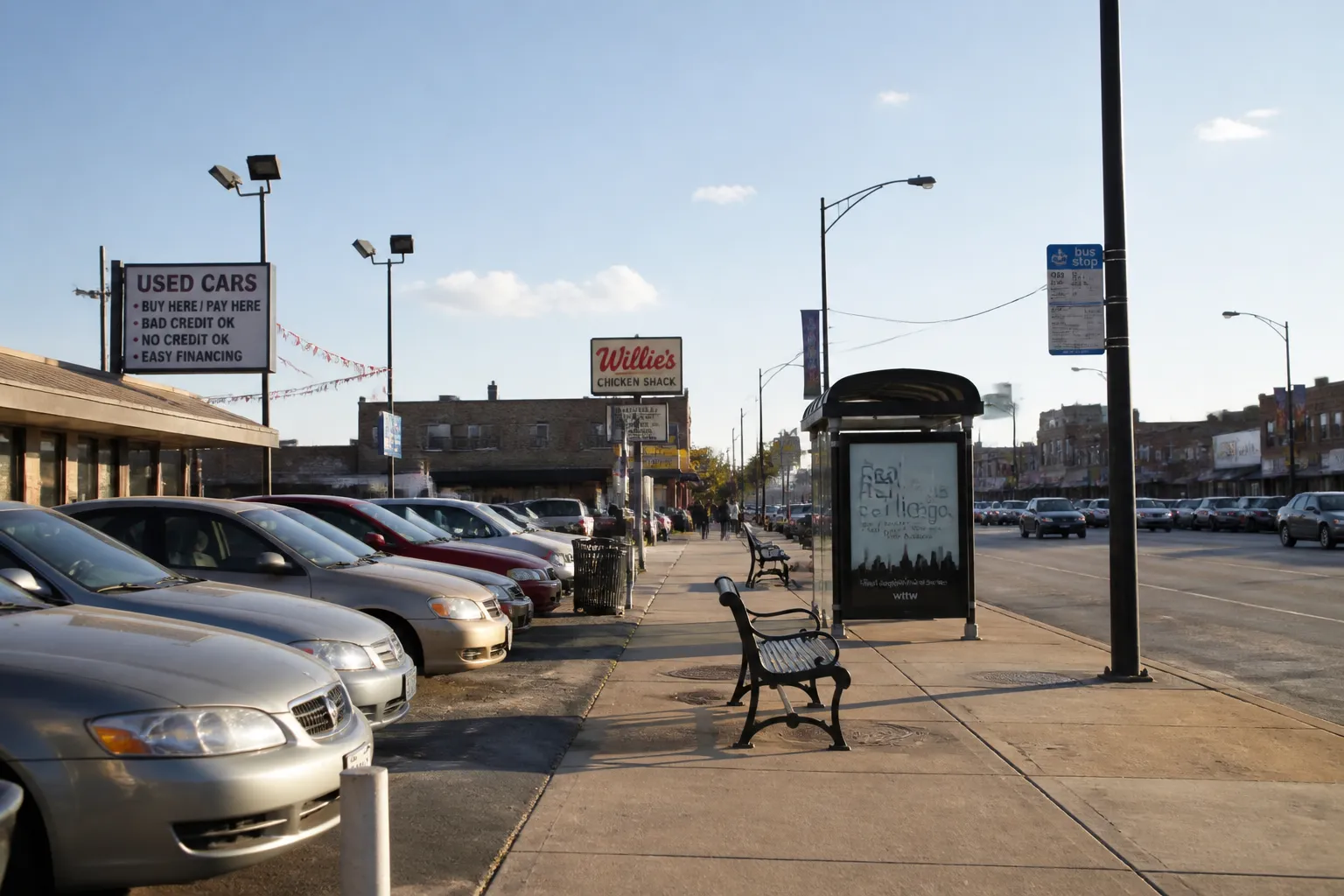
- The settlement establishes a $60 million cash restitution fund reserved for borrowers who received what regulatory documents classify as particularly risky loans.
- The agreement requires $15 million in direct payments to the participating state governments to resolve administrative enforcement claims.
Where the money actually goes
Most of the settlement value exists as cancelled debt rather than cash distributions. Sources describe more than $630 million in aggregate loan balances being written off or adjusted downward. That total reflects the two primary borrower categories. Borrowers who lost their cars get relief from deficiency balances left behind after resale. Borrowers still driving their cars receive loan principal cuts to lower their ongoing burden.
Cash distributions are modest in comparison. The $60 million restitution fund targets a narrower group of borrowers whose contracts crossed specific risk thresholds. The New York Attorney General press release notes that more than 55,000 consumers will receive relief under the agreement, though public excerpts do not specify how many individuals qualify for cash payments versus balance adjustments. Most qualifying customers should expect an accounting update on an old balance, not a physical check in the mail.
How the enforcement case unfolded
The legal fight began in January 2023 when state attorneys general and the Consumer Financial Protection Bureau filed joint lawsuits against the lender. The federal agency dropped its lawsuit in early 2025. The states elected to maintain their claims. New York Attorney General Letitia James coordinated the multi-state group through years of litigation to reach this final structure.
Official records contain an unresolved discrepancy regarding total state participation. The announcement from the New York Attorney General reports that 39 states and the District of Columbia joined the settlement. A parallel Legal 500 summary of state AG news reports 41 attorneys general signed onto the action. The records do not list the individual jurisdictions to account for the difference. Car owners seeking to verify coverage must check announcements directly from their local state attorney general office.
What regulators allege went wrong
The lending company focused on car buyers with poor credit scores or no credit history. Regulatory filings alleged the lender designed financing packages that consumers could not afford from day one. Investigators argued that aggressive financing structures set up vulnerable buyers for default while generating high origination revenue.
At the center of the case was the practice of packing costly secondary products into loan contracts. Dealerships routinely bundled Vehicle Service Contracts (VSC) and Guaranteed Asset Protection (GAP) waivers into vehicle transactions. These add-ons increased loan principals by thousands of dollars, driving up monthly payments and interest costs over time. Many buyers were unable to keep pace with the inflated balances, resulting in vehicle repossessions across multiple states. The settlement requires the business to halt the deceptive and abusive practices detailed in the complaints.
New rules at the dealership finance desk
The settlement imposes operating conditions on how the lender finances used vehicles in participating jurisdictions. The company must provide clear pre-loan risk disclosures to customers before contracts are finalized. The lender must also establish formal off-ramps for accounts that enter default soon after origination, allowing struggling buyers a structured way out of unmanageable debt.
Because finance add-ons were sold on car lots, the business must implement enhanced monitoring of affiliated retail dealers. The central operational change is a seven-year pricing ceiling that caps financed vehicle prices at 109 percent of retail book value. Public enforcement summaries omit critical enforcement mechanics, such as which valuation guidebook sets the standard or how independent compliance monitors will audit transactions. Without clear valuation metrics, the strength of any price cap remains difficult to measure from outside the courtroom.
Evaluating subprime vehicle financing
The legal settlement does not provide specific advice for prospective car buyers, but the regulatory claims highlight common pitfalls in subprime vehicle financing. Buyers can apply several defensive checks when reviewing financing agreements:
- Request an itemized breakdown of every line item on the bill of sale before signing, paying close attention to optional warranties and GAP policies.
- Require the finance manager to quote the monthly payment and total finance charge with and without dealer-added insurance products.
- Check third-party pricing databases independently to confirm the asking price aligns with the retail value of the vehicle make and model.
- Calculate insurance premiums, fuel usage, and basic repair reserves alongside the principal payment to test if the monthly cost fits your household income.
These precautions do not eliminate the financial strain of high interest rates. They ensure that an auto loan reflects the actual cost of transportation rather than undisclosed contract add-ons.
Administrative gaps and borrower verification
Public summaries leave several logistical questions unanswered for affected borrowers. The regulatory records do not clarify whether eligible consumers must file a formal claim form or if debt write-offs will happen automatically on company ledgers. Payment distribution dates, notification timelines, and qualification criteria for the cash restitution fund remain undisclosed in public bulletins.
Borrowers should treat unsolicited contact from third-party recovery firms with caution. Commercial settlement recovery companies often contact consumers asking for upfront service charges or personal financial details to process claims. Official state restitution programs distribute funds through designated administrators without charging fees to eligible victims. Consumers can consult state attorney general consumer protection divisions or review historical federal administrative actions on the CFPB enforcement actions directory for general consumer protection resources.
Please seek a professional. This article is general information, not financial, tax or insurance advice. Please seek a licensed financial, tax or insurance professional about your own situation.