











When an online order fails to arrive, the immediate impulse is to seek a fast refund. With an ordinary retail transaction, that request goes straight to the merchant. When the order was financed through a Buy Now, Pay Later plan, however, the problem splits into two parallel tracks. The consumer must determine whether the merchant will acknowledge the shipping failure, while also managing an active installment schedule that may keep pulling scheduled payments from a bank account or debit card.
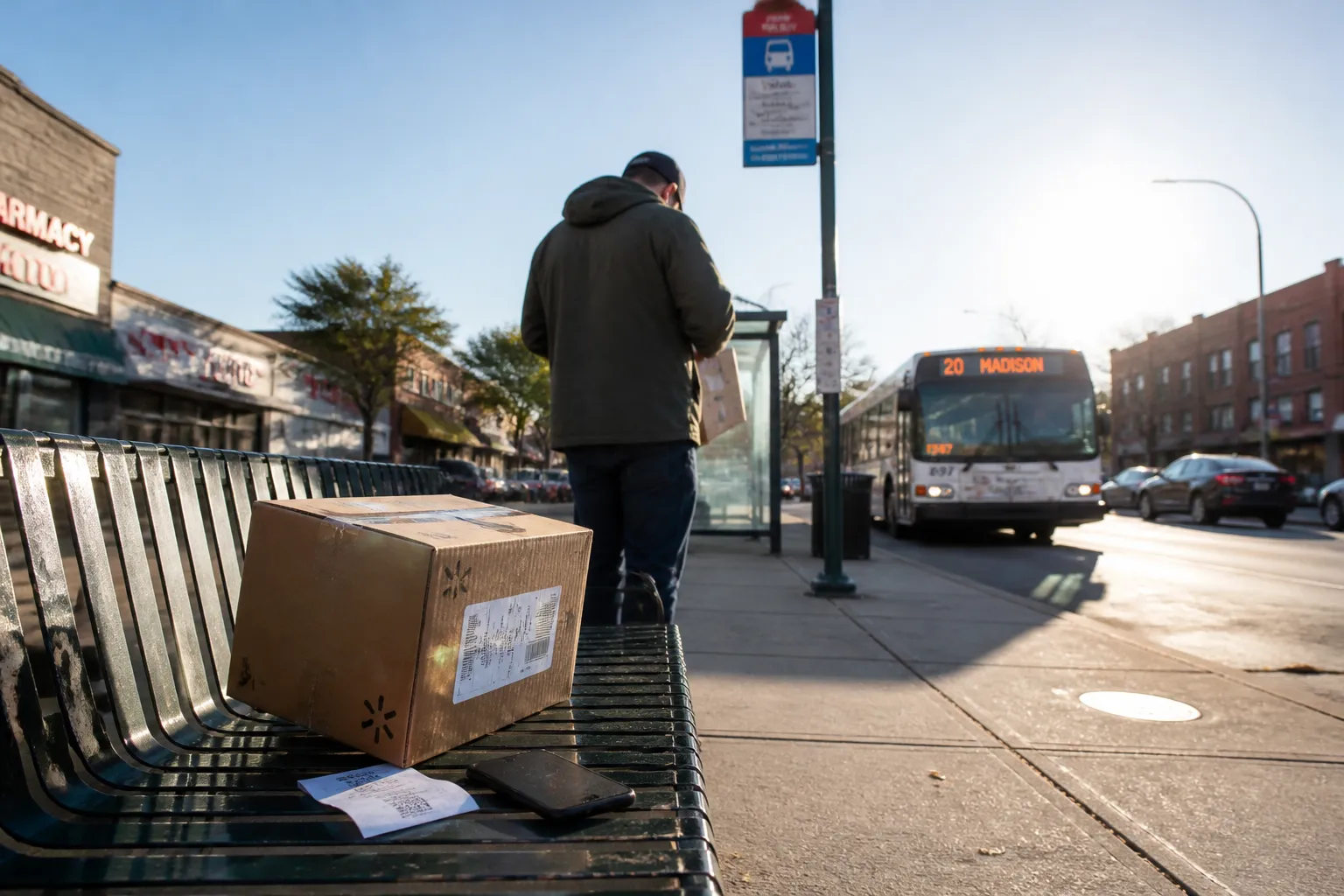
Why a Buy Now, Pay Later purchase that never arrived is a different problem
A Buy Now, Pay Later transaction is typically an installment agreement tied to a specific retail checkout. If the merchant ships the wrong box, marks an item as delivered when the porch is empty, or never sends the parcel at all, the buyer is caught between two separate entities. The retail seller controls the inventory and shipping records, but a third-party financing entity holds the payment schedule. Pausing those payments is not always automatic, and assuming payments will stop on their own can lead to unexpected overdrafts or missed installment fees.
Federal oversight for these arrangements has seen notable shifts over the past two years. In May 2024, the Consumer Financial Protection Bureau issued an interpretive rule, published at 89 Fed. Reg. 47,068, addressing how truth-in-lending rules apply to digital installment lenders. Later, on May 6, 2025, the CFPB announced a status update stating that it would not prioritize enforcement actions under that interpretive rule while it considers rescinding it. The agency noted that it was shifting supervisory and enforcement resources toward other pressing threats, particularly those affecting active-duty military personnel and veterans. A shift in federal enforcement priorities alters how regulators direct their staff, but it does not erase the baseline consumer rights written into federal statutes.
Because federal posture can change across administrative terms, state legislatures have started building their own frameworks. For example, Illinois enacted the Buy-Now-Pay-Later Loan Consumer Protection Act on June 26, 2026. That statute establishes a state licensing structure, introduces consumer protection standards, and creates enforcement tools tailored specifically to installment providers. As state-level standards emerge, the protections available to a shopper often depend on geography as much as federal guidance.
What the current sources do and do not establish
When legal rules are evolving, it is essential to separate confirmed facts from assumptions. Available public notices explain regulatory changes, but they do not provide a universal, step-by-step procedure for disputing a missing package. Readers should understand what the existing legal notices document, and where the factual gaps remain.
Specifically, recent public legal filings do not establish:
- A uniform, nationwide timeline for when a missing delivery claim must be filed with an installment provider.
- A standard list of documents required to prove non-delivery across all platforms.
- Whether non-delivery dispute rules for installment accounts match traditional credit card billing error procedures under federal law.
- The specific consumer protection requirements enacted under the Illinois statute, because available text summaries remain incomplete regarding exact dispute procedures and refund turnaround times.
- Whether state statutes like the Illinois law apply to out-of-state buyers or lenders operating without a physical branch in the state.
- Whether the CFPB took formal regulatory action to finalize the rescission of its May 2024 interpretive rule after its May 2025 announcement.
Additionally, some web sources that appear in search results, such as government document access gateways, contain only access-verification warnings rather than statutory text. Consumers researching their rights should rely only on published statutory codes, administrative register entries, and direct provider agreements rather than incomplete web notices.
General principles readers can apply while they verify the details
While official dispute processes vary across service agreements, basic documentation practices apply to nearly any commercial disagreement. When a delivery window passes without a package, organizing the transaction details immediately gives the consumer an objective record to present to both the seller and the payment provider.
Consumers managing an undelivered parcel can take several practical record-keeping steps:
- Save the original purchase receipt, digital order confirmation, and expected delivery date stated at checkout.
- Preserve all carrier tracking updates, including any timestamps indicating an exception, delay, or carrier handoff.
- Keep digital copies of all customer service messages, emails, and live chat logs exchanged with the merchant.
- Record the dates, times, and names of any support representatives contacted by phone.
- Review the funding method tied to the installment schedule, checking whether payments are drawn from a checking account, a debit card, or a credit line.
The rules governing a dispute often depend on how the installment plan is funded. A plan backed by an underlying payment card may involve dispute options through the card network, whereas a plan linked directly to a deposit account relies on bank transfer rules and the installment provider's internal contract. Consumers should examine their user agreements to confirm the exact dispute intake address, the required submission format, and any formal notification deadlines.
Where to go for official help and how a dispute may affect credit
If a merchant and an installment provider fail to resolve an undelivered order, consumers can turn to regulatory agencies that oversee commercial and financial transactions. Identifying the correct agency depends on the nature of the issue. The Federal Trade Commission reviews complaints regarding deceptive merchant conduct, failure to ship ordered goods, and misleading delivery representations. For concerns regarding how a financial firm manages installment billing, disclosures, or disputed balances, the Consumer Financial Protection Bureau accepts consumer complaints through its public intake system.
State-level regulators also provide avenues for escalation. In states that have established direct oversight frameworks, such as Illinois, the state financial licensing authority or the consumer protection division of the state attorney general's office handles inquiries regarding licensed lenders. Because state laws differ, consumers should consult their own state attorney general's office or department of financial regulation to determine which local agency has authority over the contract.
A disputed purchase can also prompt questions about credit reporting. The available regulatory notices do not outline how an active non-delivery dispute affects credit bureau files or consumer credit scores. Because reporting practices vary by provider, account type, and delinquent payment status, consumers should monitor their credit files directly through the major credit bureaus and review official CFPB educational materials regarding consumer reporting rights. This overview provides general regulatory education and does not constitute formal legal, financial, or tax advice. Actual dispute resolutions depend on the governing terms of the purchase contract, the payment provider, and applicable state law.
Please seek a professional. This article is general information, not financial, tax or insurance advice. Please seek a licensed financial, tax or insurance professional about your own situation.


