











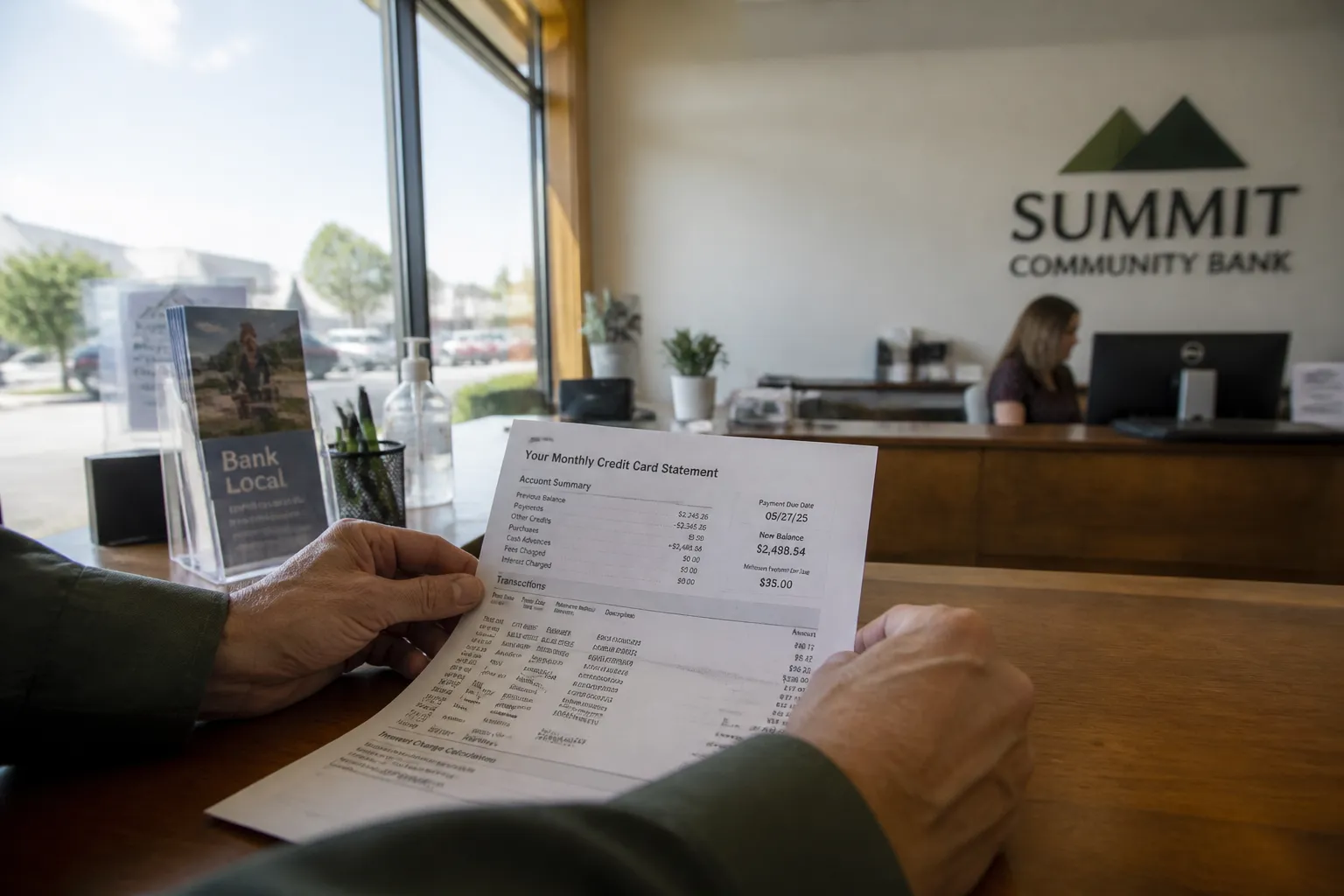
Returning an item to a store feels like closing the book on an expense. You walk in with the merchandise, hand over your receipt, and leave with a slip confirming a refund to your card account. Yet when your next statement arrives, you might find a finance charge sitting in the balance summary. If you carried a balance into that cycle, the cost of that purchase lived on your account for days or weeks before the merchant credited it back. Finding out how that return changed your interest charges requires looking closely at your billing statement and understanding your rights under federal guidelines.
Sorting through these numbers can be frustrating when you expect a return to wipe the slate completely clean. The Consumer Financial Protection Bureau outlines clear dispute paths when charges go wrong, but how card issuers calculate interest on transactions before they get refunded comes down to the terms in your cardholder agreement. Tracking those details early protects your household cash flow from creeping fees.
Start with the seller, then the card company
When an item goes back to a retailer, the paperwork trail is your first line of defense. The CFPB guidance on credit card refunds states that if you experience an issue with a card purchase, your initial step is to contact the merchant directly. You must explain the issue clearly and ask for a direct refund or request that the charge be undone. Keep physical or digital copies of every interaction. Note the date, the name of the representative you spoke with, and any return authorization or transaction receipt numbers.
If the retailer fails to process the return or refuses to issue a promised credit, the problem shifts to your card issuer. In that scenario, you can ask your credit card company whether it can dispute the transaction. Under certain circumstances, the issuer can initiate a reversal, commonly known as a chargeback. Whether a chargeback is an option depends on the specific circumstances of the transaction and the operating rules of the underlying card network. Only your card issuer can confirm if your situation qualifies for this remedy.
What counts as a billing error under the rules
Not every pricing dispute or delayed refund fits neatly into the formal legal bucket of a billing error. The CFPB notes that certain specific situations meet the official definition, such as being billed for merchandise you never received or for shipments you rejected at delivery. A returned item where the merchant received the goods but never credited your balance may resemble these situations, but federal rules draw careful boundaries around how transactions are classified.
Federal protections for consumer statements are codified under Regulation Z. The bureau maintains dedicated sections addressing account disclosures, including § 1026.7 for periodic statements, § 1026.11 for credit balances, § 1026.12 for special credit card provisions, and § 1026.13 for billing error resolution. These provisions define when an issuer must formally acknowledge an inquiry and how it must handle disputed balances while an investigation remains active. To understand how your specific issuer processes merchant refunds against your balance, check the exact definitions spelled out in your card contract.
Timing rules and statutory conditions to watch
Missing a dispute deadline can leave you stuck paying for an error, even if the store made a mistake. According to CFPB consumer rules, you must send a formal billing error notice to your card company within 60 days of the date the contested charge first appeared on your periodic statement. Note that this 60-day window runs from the statement closing date where the charge is listed, not the day you bought the item at the counter. Keeping your monthly statements organized ensures you do not miss this filing window.
Federal rules also outline specific legal standards if you decide to withhold payment on an unresolved purchase dispute. Under CFPB guidance, you generally have the right to assert claims and defenses against your card issuer if:
- The original transaction occurred in your home state or within 100 miles of your current mailing address.
- You made a genuine, good-faith effort to resolve the dispute directly with the merchant before turning to your card company.
Because these conditions have strict limits, review the billing rights summary printed on the back of your monthly statement before you decide to withhold any payments.
Reading the statement terms and interest disclosures
Deciphering the math behind finance charges on your statement requires careful attention to issuer vocabulary. The CFPB provides standardized credit card contract definitions under its Know Before You Owe project, but these definitions legally apply only when words are explicitly underlined and tied to the bureau framework within the agreement. If terms are not underlined, or if your card agreement does not incorporate those model definitions, you cannot assume the terms carry that exact meaning. Different card issuers often use different labels for similar balance categories.
Public federal regulations do not provide a universal formula showing whether interest accrued on a returned item must be refunded once the merchant credit posts. If you carry a balance from month to month, purchases usually begin accruing interest immediately on the transaction date or posting date. When a refund arrives weeks later, it generally acts as a payment or account credit rather than an erasure of historical daily balances. To determine whether an issuer will forgive the interest that piled up while the charge was active, check your account terms or contact the card company directly to request an itemized explanation of the calculation.
Limits of general guidance and practical next steps
This breakdown serves an educational purpose and does not constitute individual legal, tax, or financial advice. The total interest you owe following a return depends entirely on your card agreement, your average daily balance, whether you had an active grace period, and the exact date the merchant processed the refund transaction.
If you see an unexpected finance charge following a return, pull your receipts, your return confirmation, and the statements showing both the original transaction and the subsequent credit. Contact your card issuer directly using the customer service number on the back of your card. Ask the representative to explain how the daily balance was calculated during that billing cycle and request a written breakdown if the numbers do not match your records. Addressing small balance discrepancies right away keeps your account clear and keeps fee creep from siphoning money from your monthly budget.
Please seek a professional. This article is general information, not financial, tax or insurance advice. Please seek a licensed financial, tax or insurance professional about your own situation.


