











The text says your account is on hold. It says you have to verify it. There is a link, and a timer, and a logo that looks about right. Nothing about it feels dramatic. That is the trick. Fake verification requests work because they look like paperwork.
A message that asks you to "verify" account details is a red flag, even when it looks polished.
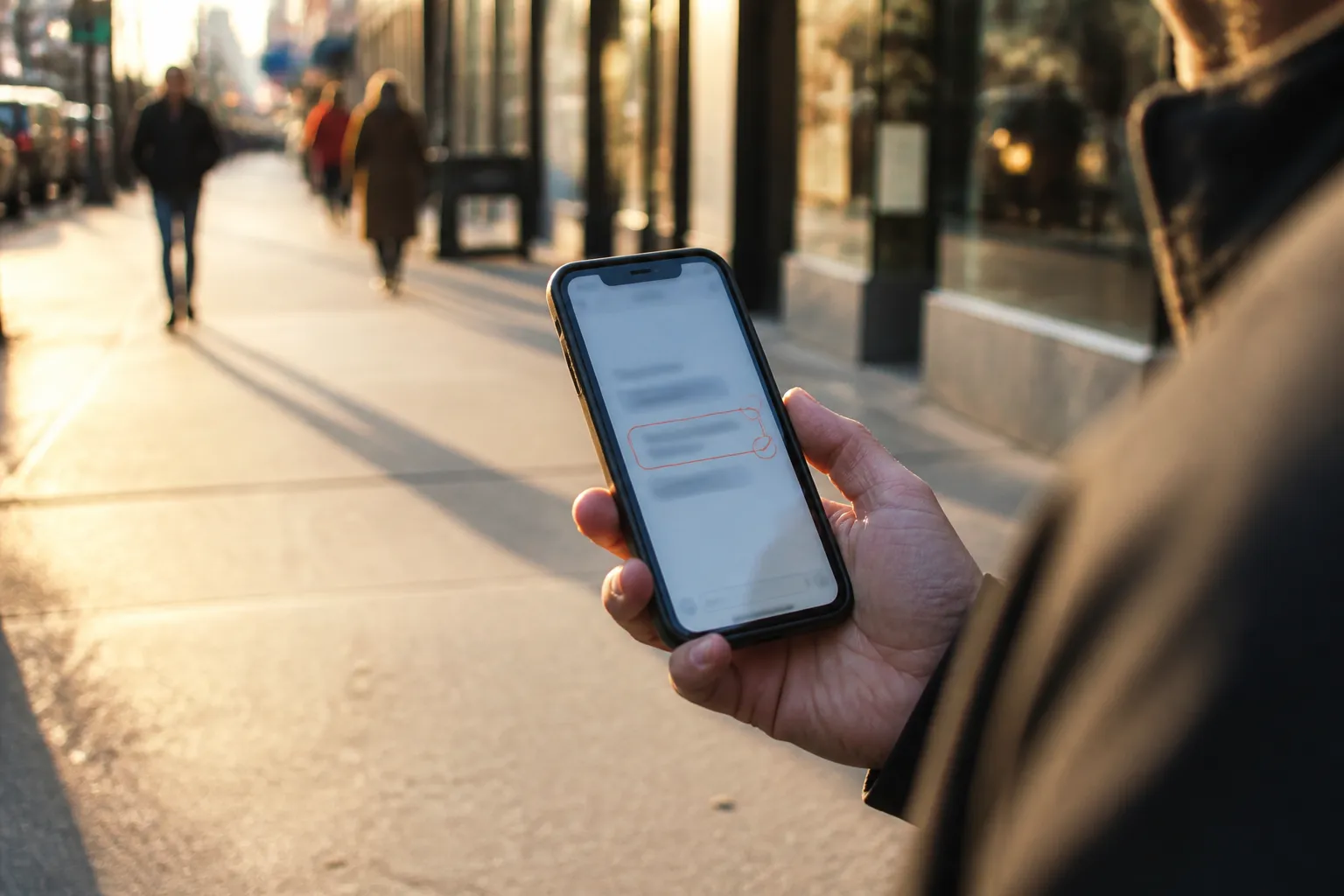
Why an unexpected verification request is a red flag
The Consumer Financial Protection Bureau (CFPB) says banks and credit unions do not ask for account information by email or text. So a message asking you to "verify" it is a warning sign on its face. The CFPB describes this kind of message as typically phishing, a scam built to steal account information. The CFPB's guidance on bank verification messages is short and worth reading in full.
The same logic applies when the message names a marketplace or a payment app. Scammers often pretend to be an organization you already trust. Naming a company you use proves nothing. Anyone can type a company name. Phishing messages can also be faked to look like they come from a trusted source, and their links can lead to a scammer's malicious website.
What to do first
Start by doing nothing. Do not reply. Do not click. The CFPB advises against clicking links in unexpected messages because they can give scammers access to your device. Skip QR codes from messages you do not recognize or trust, too. They can lead to the same place a bad link does.
- Leave the message alone. No reply, no link, no QR code.
- Ignore the phone number, email address, and web address printed in it.
- Find a customer service number from a separate source you already trust, such as the back of your card.
- Or type the official website address in yourself, and check your account there.
That order matters. The contact details inside a scam message lead to the scammer. Checking through a door you opened yourself is the whole point.
Red flags worth a second look
The CFPB lists classic warning signs of fraud, and fake verification requests tend to hit several at once. Its list of classic warning signs is a handy checklist. A few questions can sort most messages quickly.
- Does it ask for account numbers, passwords, card numbers, or Social Security numbers? The CFPB says never share these.
- Does it ask for an access code? Scammers may. Codes are meant for you alone.
- Does it ask you to pay, or to use a payment app, wire transfer, prepaid card, gift card, or cryptocurrency?
- Does it rush you, threaten you, or discourage questions?
- Does it claim to come from a business or agency you use? Confirm through a contact you found yourself.
Urgency deserves special attention. A real account problem can wait the five minutes it takes to check. A scam usually cannot, because time to think is its enemy.
Verification codes have their own scam. The Federal Trade Commission has published a consumer alert on a verification code scam involving Google Voice, which shows how a request for a code can be used against the person who hands it over. The FTC alert is the place to read the details.
What the available guidance does not cover
The sources reviewed for this piece leave some gaps. Be careful with anything below that goes past them.
They do not explain what to do if you already gave away a verification code or login details. If that happened, contact your financial institution or the platform promptly, using a phone number from an independent source. They also do not describe how to report a fake request to a given marketplace or payment app, or how to tell a real in-app verification step from a fake one. The platform's official help pages, reached by typing the address yourself, are the safer place to start.
One more item. The CFPB says the Electronic Fund Transfer Act and Regulation E apply to person-to-person and mobile payments that meet the definition of an electronic fund transfer, including debit card, ACH, and prepaid account transfers. The excerpt reviewed here stops before liability limits and dispute deadlines. If you suspect an unauthorized transfer, read the CFPB's electronic fund transfer FAQs and talk with your institution. This article is educational only and is not advice for your situation.


