











A notice arrives about a charge you do not recognize. It names an account, gives a date, and tells you to call a number. Before you call, you want to know what the notice means and which office could answer a question about it. Government websites can help, but they do different jobs. The Ask CFPB library explains common financial issues. USAGov helps you sort problems by type. HelpWithMyBank.gov serves customers of national banks and federal savings associations.
What does the notice say happened? What document could confirm it? Is your next question about the rule, the transaction, or where to send a complaint?
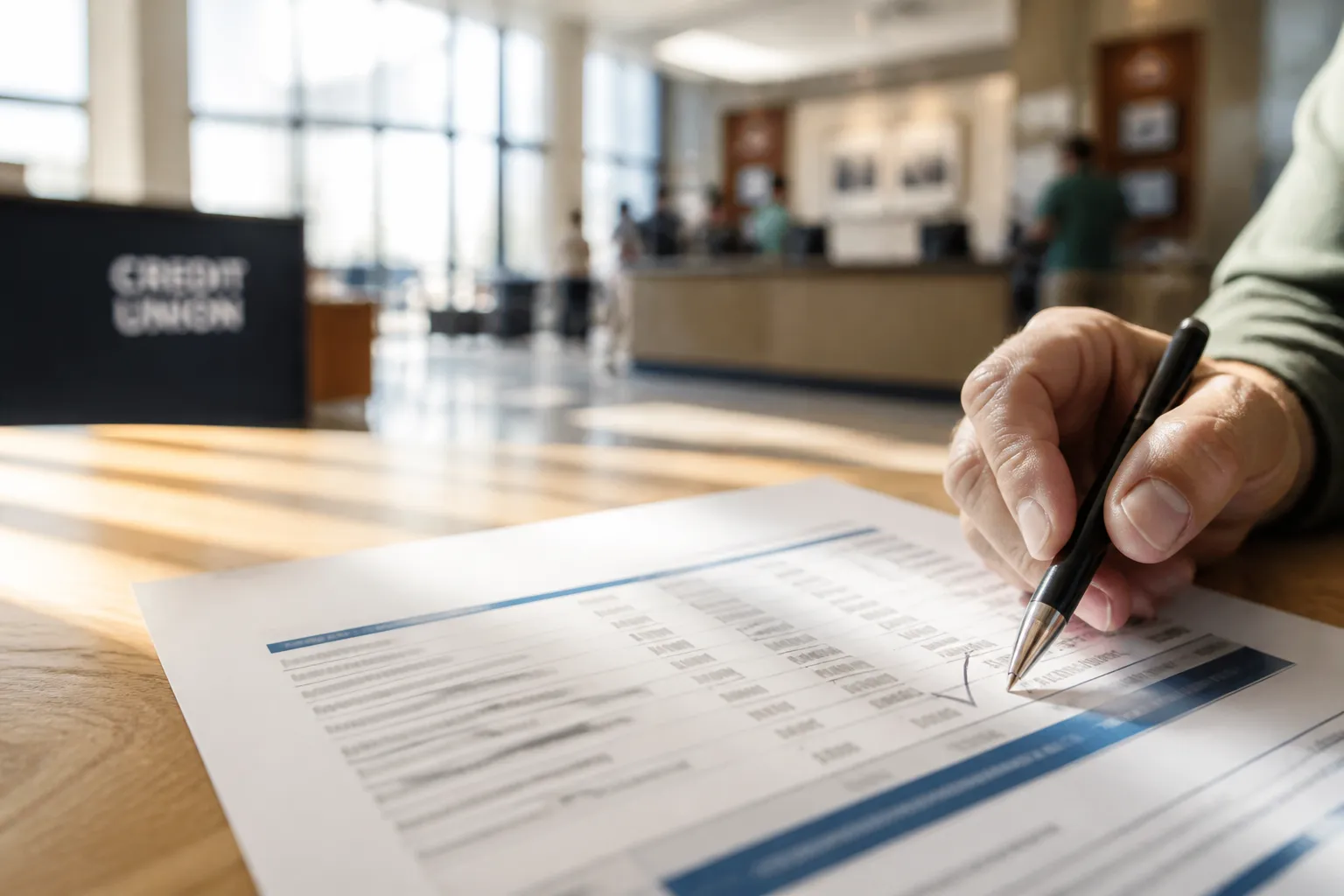
Start with the question, not the agency
Ask CFPB is a searchable library of answers to common questions about products and practices. You can browse topics including bank accounts, credit cards, credit reports and scores, debt collection, and fraud and scams. If you are holding a collection notice, a search such as “debt collection notice” gives the library a clearer starting point than a paragraph describing every call and letter you have received. Try a second phrase if the first results address a different part of the problem. Short phrases are easier to adjust than long ones.
Read an answer beside the document that prompted your search. Does your letter concern the balance, the identity of the company, or a deadline? Those are different questions, even when they appear on the same page. Ask CFPB provides general consumer information, not legal advice or regulatory guidance about your case. The CFPB updates its content periodically, so check the wording and any date shown on the answer before relying on a detail. An answer can help you identify what to ask next. It cannot tell you what an agency will decide about your account.
Use USAGov when the category is unclear
A bank charge, an online purchase, and an investment may all appear in the same folder of account mail. They do not necessarily belong with the same agency. USAGov’s consumer complaint guidance sorts questions by the kind of purchase or service involved. For banking, credit, and securities issues, its separate guide identifies more specific routes. USAGov is run by the U.S. General Services Administration and serves as an official guide to government information and services.
For a banking problem, USAGov says to contact the bank first, through a branch manager, customer service line, or website, and keep proof such as receipts and checks. If the problem continues, it points to the CFPB as a next step. For a consumer product or online purchase, it points to the seller or company first, followed by appropriate government offices if the issue remains. If you cannot tell which category fits, USAGov offers chat and a phone line, 1-844-USAGOV1 (1-844-872-4681). Those channels can direct you toward government information. They do not settle a complaint for you.
Check who oversees the institution
Before choosing a banking complaint route, look at the institution named on the statement or letter. Is it a national bank, a federal savings association, or a state-chartered bank? That detail matters. HelpWithMyBank.gov provides information and assistance for customers of national banks and federal savings associations. Its site links to a lookup tool for checking whether the Office of the Comptroller of the Currency, or OCC, regulates a bank. The FDIC Consumer Response Center handles complaints about state-chartered banks that are not Federal Reserve members. The CFPB generally handles issues involving consumer financial products.
Other categories have other routes. USAGov points investment complaints toward a state securities regulator or the Securities and Exchange Commission, and retirement plan complaints toward the Employee Benefits Security Administration. For complaints against businesses and reports of scams, its state consumer protection office directory lists offices by state and territory. If you do not yet know which description fits, confirm the product and institution first rather than sending the same account story to every office.
Put the record in order before filing
A useful file answers a few plain questions. What happened, on what date, and for what amount? What did the company say when you contacted it? Which statement, receipt, check, notice, or message supports each part of the account? Keep copies of what you send and note any reference number you receive. These details make it easier to explain the difference between what a notice claims and what your records show.
That file also helps with the unfamiliar charge that started this article. The sources here do not lay out formal dispute rights for card or account charges, so do not assume a particular deadline or outcome. What they do say is practical. Raise the problem with the bank or company first, keep your proof, and escalate if the issue is not resolved. Ask your bank how it handles disputed transactions, and ask for the answer in writing if you can.
Credit reporting complaints require particular care with the sequence. The CFPB’s complaint notice says the credit reporting dispute must already have been submitted to the credit reporting agency. Its attestation also requires that either 45 days have passed or the dispute is no longer pending. Check those conditions before starting that complaint. The CFPB estimates that online complaint submission usually takes about 7 to 10 minutes, compared with about 25 to 30 minutes by phone. That is an estimate for submitting, not a promise about review time or outcome. The CFPB also says it shares submitted complaints with other state and federal agencies, consistent with applicable law.
Verify contact details before sharing information
A letter or caller may supply a number, but an independently opened government page gives you a way to check it. The CFPB lists (855) 411-2372 and TTY/TDD (855) 729-2372, available Monday through Friday, 9 a.m. to 6 p.m. Eastern Time, except federal holidays. HelpWithMyBank.gov lists customer assistance at 1-800-613-6743, Monday through Friday, 7 a.m. to 7 p.m. Central Time. The FDIC Consumer Response Center lists (877) 275-3342.
HelpWithMyBank.gov also warns about people impersonating OCC representatives. If a caller claims to be from a government office, do not use the caller’s number as your only way to verify that claim. Find the agency’s official .gov site yourself and use its published contact or reporting channel. USAGov advises sharing sensitive information only on official, secure websites. For a suspected scam, HelpWithMyBank.gov has a “Report a Scam or Fraud” link, and state consumer protection offices may also help. Keep the distinction clear as you go. An Ask CFPB answer explains a general issue, while your dated documents describe what happened to you.
Please seek a professional. This article is general information, not financial, tax or insurance advice. Please seek a licensed financial, tax or insurance professional about your own situation.


