










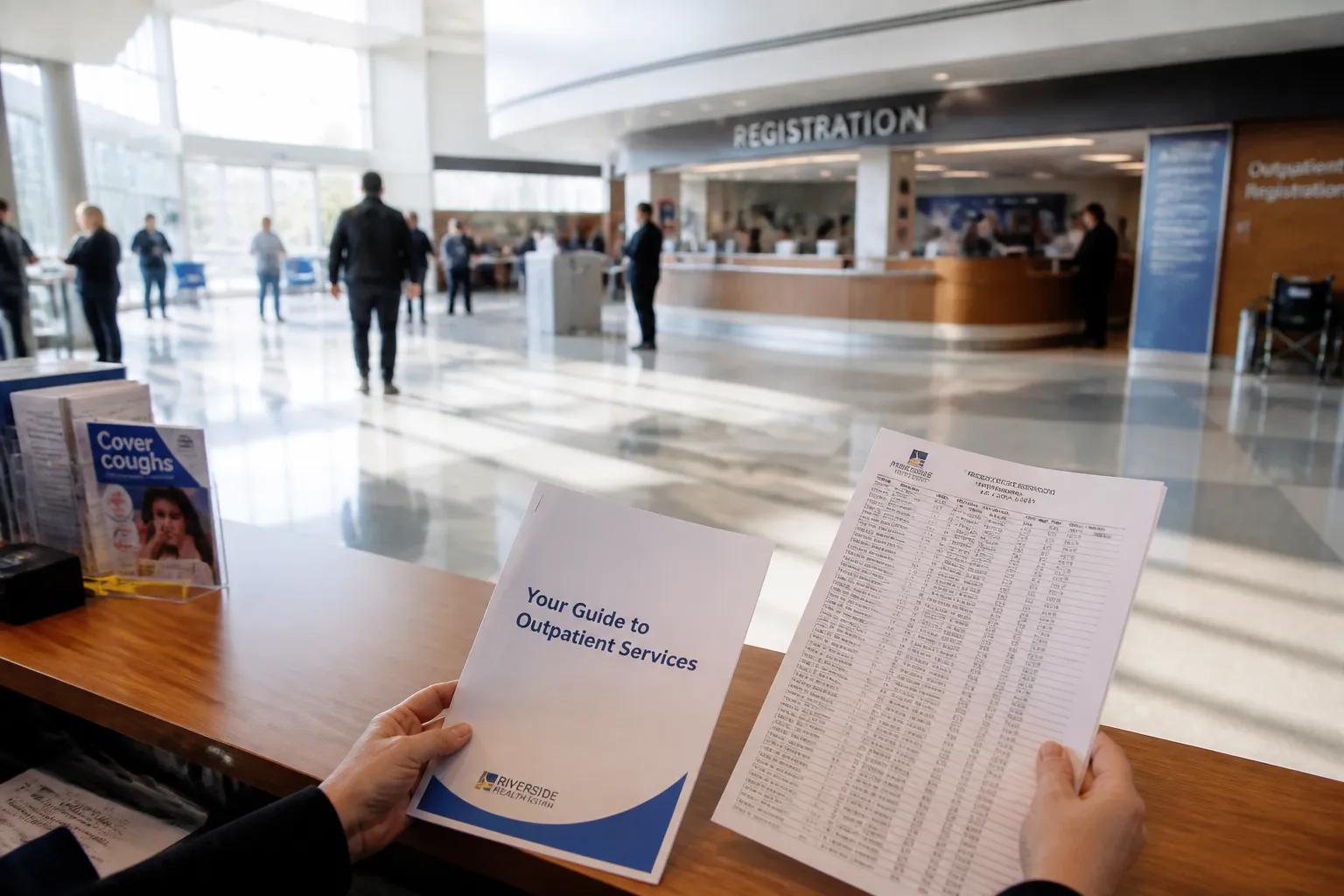
A hospital bill may show an amount due without explaining every charge or the help available to pay it. Before treating that number as final, separate two questions: What services and charges make up the bill? And does the hospital offer financial assistance for this care? An itemized bill can help with the first question. The hospital’s written financial assistance policy addresses the second.
Ask for the itemized bill and the financial assistance policy separately. They answer different questions about the same amount due.

What financial assistance can cover
Financial assistance, often called charity care, can provide free or discounted care to people who need help paying medical bills. It may be available to someone without insurance or to someone whose insurance still leaves a large amount to pay. A hospital’s program is one place to check. State programs and nonprofit or advocacy groups may offer other forms of help.
The Consumer Financial Protection Bureau’s guidance suggests asking for the hospital’s policy before paying or agreeing to a payment plan. That page was last reviewed December 7, 2023, so the hospital’s current written materials are the place to confirm its present rules.
What the hospital should have in writing
Federal rules for tax-exempt hospital facilities require a written financial assistance policy, often shortened to FAP, and a written emergency medical care policy. The FAP must cover emergency and other medically necessary care provided by the hospital facility, including care from a substantially related entity within it. A separate bill does not, by itself, tell you whether the care is covered.
The policy must say who qualifies and whether eligible patients receive free care or discounted care. It must explain how amounts charged to patients are calculated and how to apply. It must also list other providers delivering care in the hospital and identify which are covered by the FAP. That provider list matters after a hospital stay that produces one bill from the hospital and another from a doctor or group.
Look, too, for the policy’s billing language. If the hospital has no separate billing and collections policy, its FAP must describe actions it may take when a bill goes unpaid. The FAP must say whether it uses information from sources other than the patient, or earlier assistance decisions, to determine that someone is eligible without a new application. These are required subjects in the federal FAP regulation, not answers that will be the same at every hospital.
Read the bill and the policy side by side
An itemized bill and a FAP serve different purposes. An itemized bill lets you ask what a listed charge refers to. The FAP explains the basis for calculating charges to patients who qualify for assistance. The sources here do not establish a procedure for requesting an itemized bill or disputing a charge, so ask the hospital’s billing office what its process is rather than assuming a FAP application will resolve a question about a particular line item.
Start with the names on the paperwork. Who sent each bill? Which provider delivered the care? Does that provider appear on the FAP’s covered-provider list? Then compare the amount due with the policy’s explanation of how charges are calculated. If the explanation does not answer your question, ask the billing office to identify the part of the policy it used. Keep copies of the bill and the version of the policy you were given so you can refer to the same wording in a later conversation.
Find the shorter summary first
At intake or discharge, a hospital facility subject to these rules must offer a paper copy of a plain-language summary of its FAP. The summary must briefly describe eligibility and the available help, explain how to apply, and give the website address and physical locations where you can get the full policy and application. It must also explain how to request a free copy by mail.
A billing statement should carry an easily seen written notice of the assistance policy, and the policy should be publicized in the facility. If you did not receive the paper summary, ask for it and note the answer. Then request the full FAP. The summary points you toward the rules; the full document is where you can check details such as provider coverage, calculation methods and collection language.
Questions to ask before a payment arrangement
A short sequence can make a billing call more useful. Ask: Does the FAP cover the care on this bill? Does it cover each provider who billed me? How was the amount charged to me calculated? What does the application require, and where can I get it? Does the hospital use outside information or a previous FAP decision when deciding eligibility?
Finally, ask what may happen to the bill while an application is pending and where the hospital’s written policy addresses that question. The federal sources cited here do not supply universal income limits, discount percentages, application deadlines, appeal steps or decision times. They also do not establish how an unpaid bill or assistance request will affect a credit report. For those questions, use the hospital’s current documents and the appropriate official state resources. The useful next step is a clear record of what each notice says, what it leaves unanswered and whom you asked to explain it.
Please seek a professional. This article is general information, not financial, tax or insurance advice. Please seek a licensed financial, tax or insurance professional about your own situation.


