










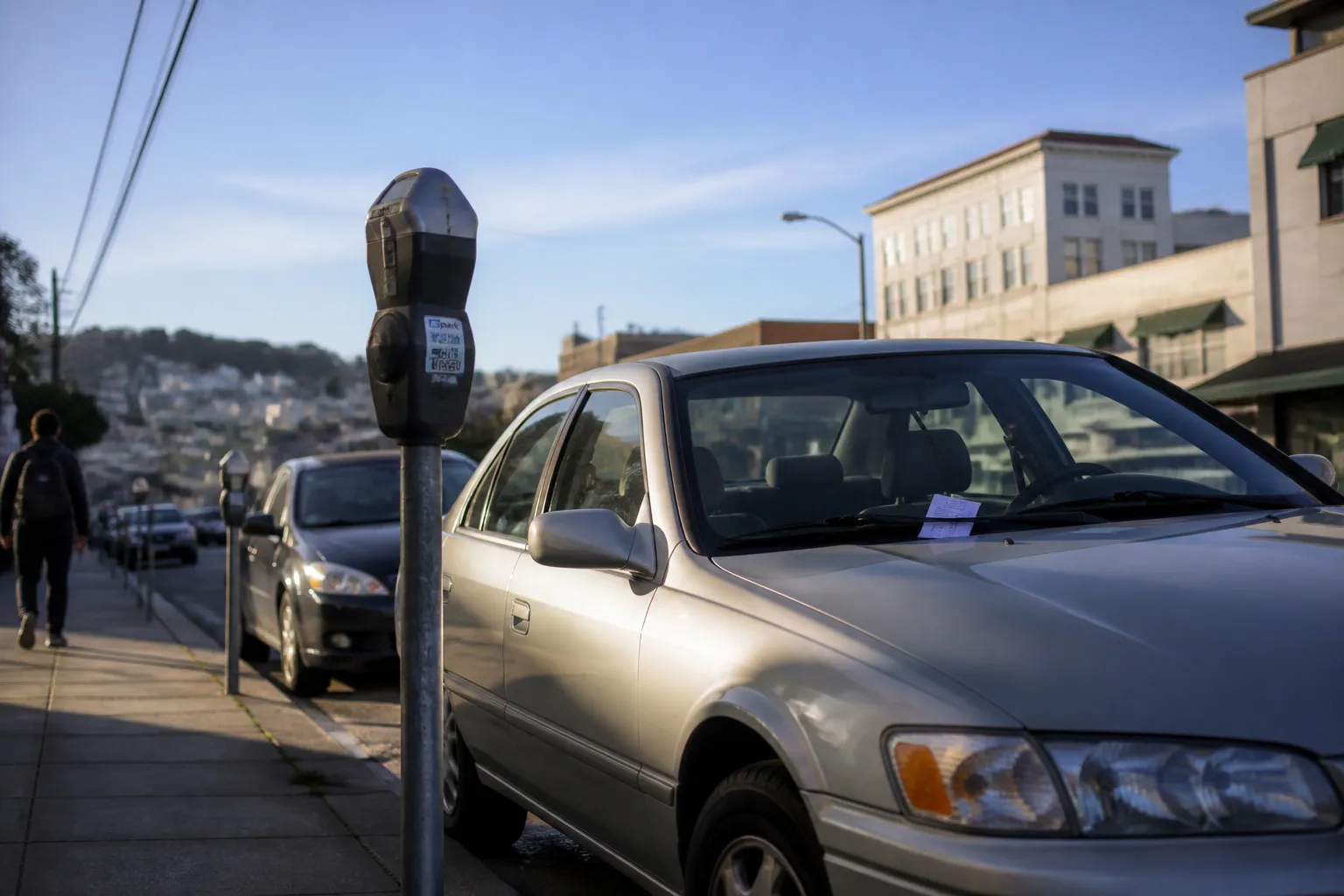
An unpaid parking ticket feels like a small debt with a clear consequence: a late fee, a hold, or a collection notice. Its effect on a credit report is a separate question. The sources reviewed here do not confirm that a ticket or civil fine is reported, and they give no score figures. They do show where the reporting risk most likely sits.
Separate the ticket from the credit report
A citation is a bill from a city. A credit report entry is a record sent by a company or pulled from a public file. The two only meet if something happens in between. The most plausible step is that the city hands the debt to a collector, and the collector reports it. The sources here do not say how often that happens. Work through three checks before worrying about a score.
- Identify the item. A parking ticket is not automatically a court judgment or a collection account. Cities handle these debts differently, and the sources do not map every case.
- Trace the reporting path. A fine becomes a credit question when a collector reports it. A citation alone does not tell you that has happened.
- Check the record, not a score guess. No source reviewed gives a point change tied to an unpaid ticket. Any specific number you see online should be treated as unverified.

- Read any report entry closely. Note the company named, the amount, and the status. Compare them with your own paperwork.
- Ask who is reporting it. The city or the collector can say what it sent to credit reporting companies. Keep the answer and any notices together.
- Use the dispute process. If an entry looks wrong, follow the reporting company's instructions for disputing it. The sources do not say how a paid or dismissed fine must be updated.
What the public-record changes covered
The Consumer Financial Protection Bureau's retrospective describes a specific change. In July 2017, new public-record reporting standards led the nationwide consumer reporting agencies to remove all civil judgments and almost half of tax liens from consumer credit reports. That account covers those two kinds of public records. It does not mention parking tickets or civil fines. Read the CFPB's retrospective.
The standards grew out of the National Consumer Assistance Plan. It launched in March 2015, after a settlement between the nationwide consumer reporting agencies and more than 30 state attorneys general over alleged Fair Credit Reporting Act violations. That history explains why public-record data changed. It does not make a parking ticket a public record for credit purposes.
What the CFPB score research covers
In a December 2019 report, the CFPB looked at how removing civil judgments and tax liens related to credit scores and later credit performance. It compared consumers whose records were removed with consumers whose records stayed. The analysis drew on the bureau's Consumer Credit Panel, a nationally representative sample of about five million de-identified credit records from one of the three nationwide agencies. The report is available as a PDF.
This is a study of judgments and liens. It is not a study of parking tickets. The findings section was not available in the material reviewed, so this article does not state a result. Open the PDF if you want the numbers.
Why a collection account is a separate question
Cities sometimes hire outside firms to collect. In 2017, the Federal Trade Commission announced a settlement that halted allegedly abusive practices by a company collecting debts for more than 500 municipalities. The reviewed record has the headline but not the terms. See the FTC announcement.
The FTC also published a November 2020 consumer alert titled "Debt collectors: Mind the 'No Parking' signs on credit reports." The title ties parking debt, collectors, and credit reporting together. The alert's text was not reviewed, so read the FTC alert for what it actually advises. The practical point is that the collector, not the ticket, is the likely source of any credit entry.
What to do if you owe a fine or see an entry
Start with your own credit reports. You can get free copies through the official annual credit report site. If a parking or fine-related collection account shows up, compare it with notices from the city or collector. Check the amount, the dates, and the name of the company reporting it.
If the entry is wrong, you can dispute it. Federal consumer law, including the Fair Credit Reporting Act, generally lets you challenge inaccurate information with the credit reporting company and with the business that furnished it. Collectors also typically send a written notice with a window to dispute the debt, often 30 days. Look for the exact deadline on your notice, and confirm the rules with the CFPB or FTC, since the sources reviewed here do not spell them out. Send disputes in writing and keep copies.
If the fine is real, paying it before it goes to a collector is the simplest way to avoid the question. Be wary of anyone who promises to erase a fine or guarantee a score result. An FTC alert about tax debt describes the same pattern: upfront fees, big promises, and little work. That alert is about taxes, not tickets, but the warning carries over.
Please seek a professional. This article is general information, not financial, tax or insurance advice. Please seek a licensed financial, tax or insurance professional about your own situation.


