


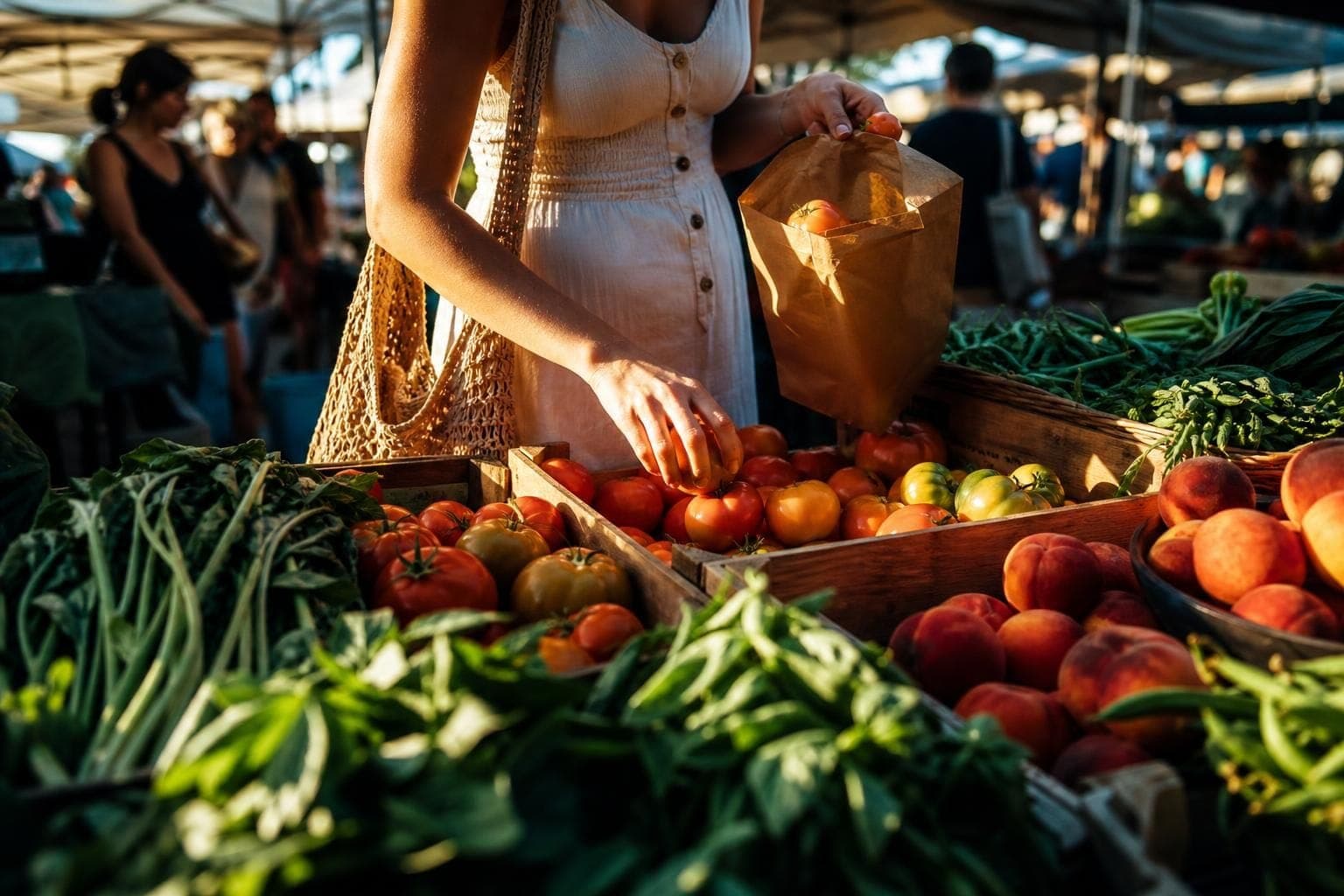







A grocery receipt tells a quiet story about household purchasing power. When the price of eggs, whole wheat bread, or fresh produce shifts upward by even a few cents an ounce, the math at the checkout counter changes. For families who rely on nutrition assistance programs, rising food prices create practical questions about how monthly benefits are set and what those dollars can actually buy off the shelf.
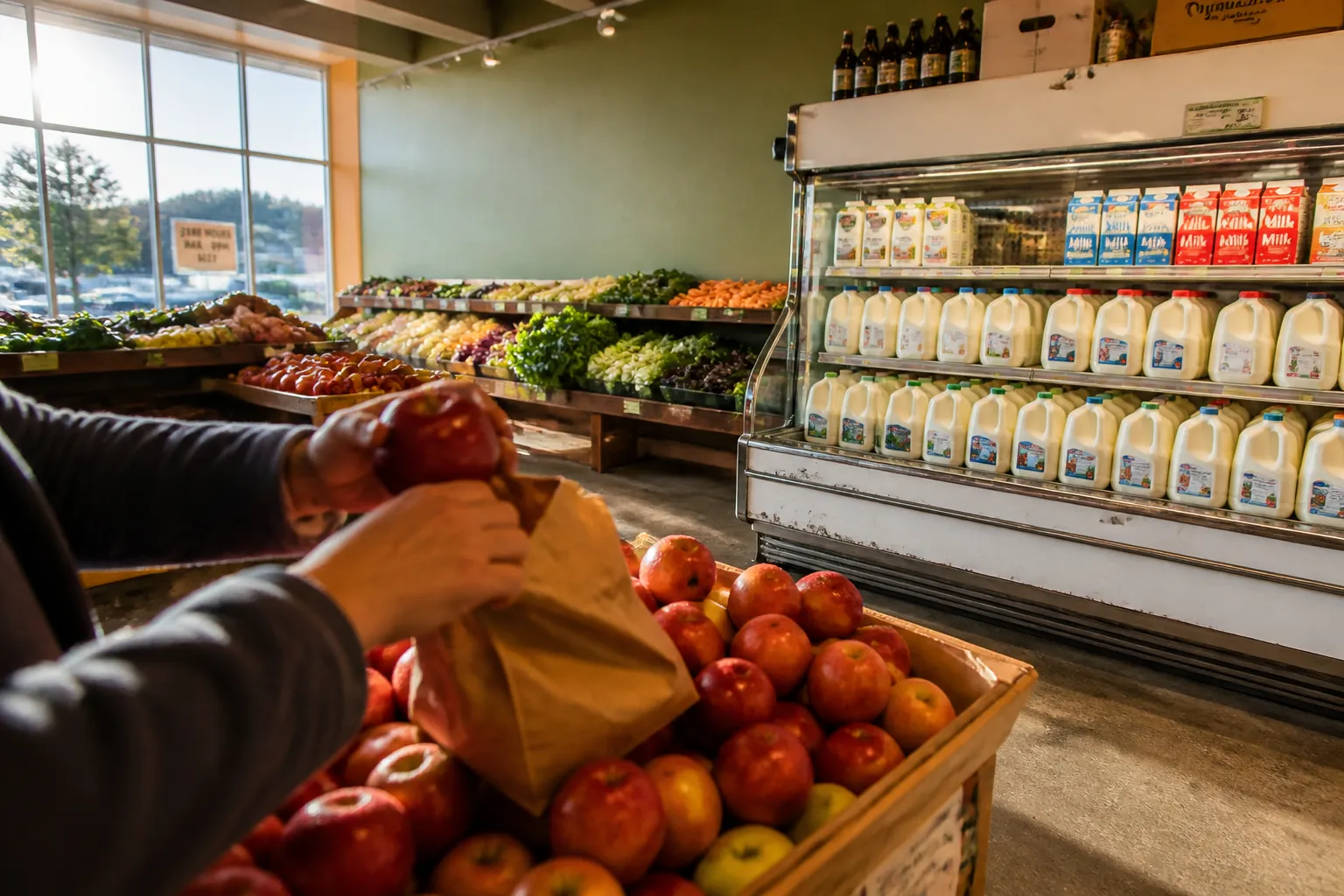
A fixed dollar voucher buys fewer pounds of apples when retail produce prices climb, but a voucher defined by physical volume still covers the carton of milk regardless of the register price.
What WIC food packages are and why their value varies
The Special Supplemental Nutrition Program for Women, Infants, and Children does not simply hand participants a lump sum of discretionary cash. Instead, WIC distributes food benefits through seven distinct package types based on participant category. Infants, children, pregnant participants, postpartum mothers, and breastfeeding mothers each receive a specific basket of items tailored to nutritional benchmarks.
Because these food packages are standardized at the federal level, the baseline items remain consistent across state lines. A child enrolled in the program receives the same core categories regardless of geography. However, the retail dollar value of that package changes significantly from one state to another. Food prices vary across regional supply chains, state agencies approve different brand rosters, and infant formula rebate contracts differ by jurisdiction. As a result, identical nutritional allocations yield different register totals depending on where a family shops.
According to commercial estimates compiled by the BenefitsUSA Blog, monthly WIC packages in 2026 carry an estimated retail value between $50 and $200 per person. That spread reflects local shelf prices alongside participant categories. For example, a breastfeeding mother enrolled alongside an infant can receive a combined household allocation estimated at more than $300 per month. Because these estimates originate from secondary sources rather than an official federal balance sheet, households should treat them as broad estimates rather than guaranteed values.
Fruit and vegetable benefits and how they are set
While dairy and cereal benefits are prescribed by volume, produce is handled differently. WIC provides a monthly cash-value benefit, which operates as a set dollar allowance spent exclusively on eligible fruits and vegetables. When grocery prices climb, this distinction becomes noticeable at the kitchen table. When an allowance is tied to a fixed dollar ceiling, rising shelf prices mean a family leaves the store with fewer pounds of produce.
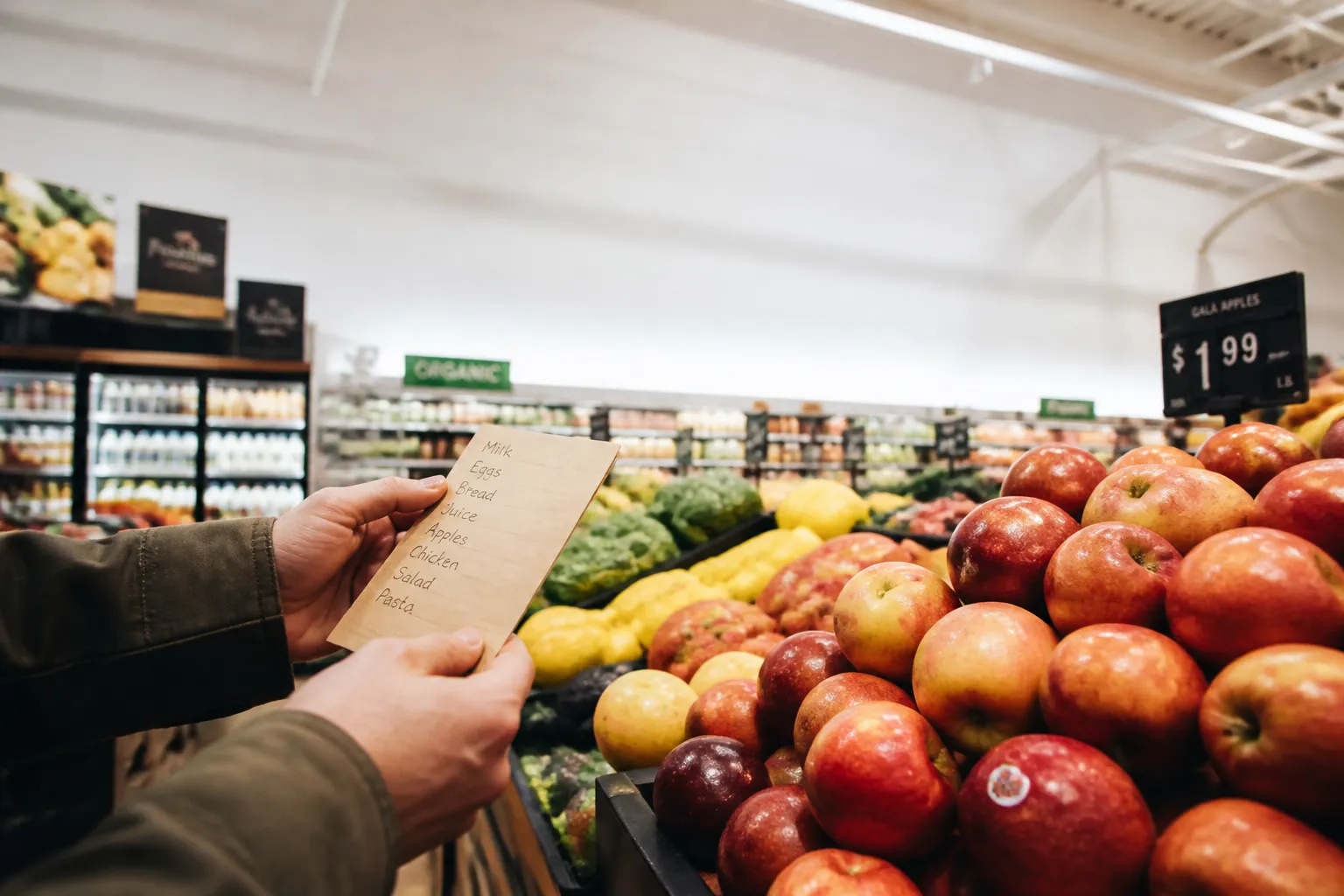
For children aged 1 through 4, the standardized food package includes a $27 monthly produce voucher. Program rules documented in the WIC Works Resource System specify that children can substitute 64 fluid ounces of 100 percent juice for $3 of that cash benefit. Alongside this produce credit, the standard child package supplies 16 quarts of fluid milk, 36 ounces of breakfast cereal, 24 ounces of whole grain bread or approved grains, 6 ounces of canned fish, 1 dozen eggs, and a choice between 1 pound of dry beans, 64 ounces of canned legumes, or 18 ounces of peanut butter.
Benefit amounts published on GrantsHubUSA show monthly produce amounts scheduled at $27 for children, $48 for pregnant and postpartum participants, and $53 for breastfeeding participants, effective from October 1, 2026. State agencies are required to offer at least one non-fresh option, including canned, frozen, or dried fruits and vegetables. Shelf-stable alternatives can provide a predictable baseline when fresh produce prices fluctuate. However, public program summaries do not clarify how frequently or through what administrative process these cash-value limits adjust for general inflation.
What the sources do not explain about SNAP
Discussions around food inflation frequently group WIC and the Supplemental Nutrition Assistance Program together, but the mechanisms behind them are not interchangeable. The source records reviewed for this analysis outline state-level variations and item quotas for WIC, yet they provide no operational details regarding SNAP benefit adjustments.
Public materials in this dataset do not document how SNAP maximum allotments respond to changing grocery costs, nor do they detail the formula connecting monthly allocations to the Consumer Price Index or the Thrifty Food Plan. Furthermore, income eligibility cutoffs, standard deductions, and the exact calendar schedule for federal SNAP cost-of-living adjustments are omitted entirely from these documents. Readers searching for the precise timeline through which SNAP benefits expand or contract during inflationary cycles will not find that answer in these specific records.
Assuming that SNAP benefits mirror the regional variations or physical package rules found in WIC would misrepresent both systems. WIC relies on defined physical units of staple foods coupled with a smaller cash-value voucher. SNAP operates primarily through electronic benefit allotments based on household income, size, and federal poverty metrics. Documenting one system does not explain the administrative rules of the other.
How to check current amounts and what to verify
Because retail purchasing rules are administered regionally, checking local program standards is an essential practical step. Each state agency maintains its own authorized product list, specifying which package sizes, bread varieties, and dairy labels qualify at the register.
- Confirm authorized substitutions: State agencies decide whether to authorize soy beverage alternatives, tofu, or specialty seed and nut butters in place of standard items.
- Check shopping options: An eWIC card functions at authorized brick-and-mortar grocers, but online ordering remains restricted to a limited number of participating states.
- Verify recent rule revisions: Updates finalized under the 2024 food package rule expanded whole grain allowances threefold for pregnant and breastfeeding participants and integrated canned fish for young children. Specific implementation deadlines vary by state.
- Rely on official agency resources: Secondary websites and commercial benefits trackers often circulate outdated figures or forward-looking projections that have not taken legal effect.
State agencies maintain published directories of approved foods, vendor lists, and regional guidelines. Checking directly with local administrators ensures that household grocery planning relies on binding rules rather than third-party estimates.