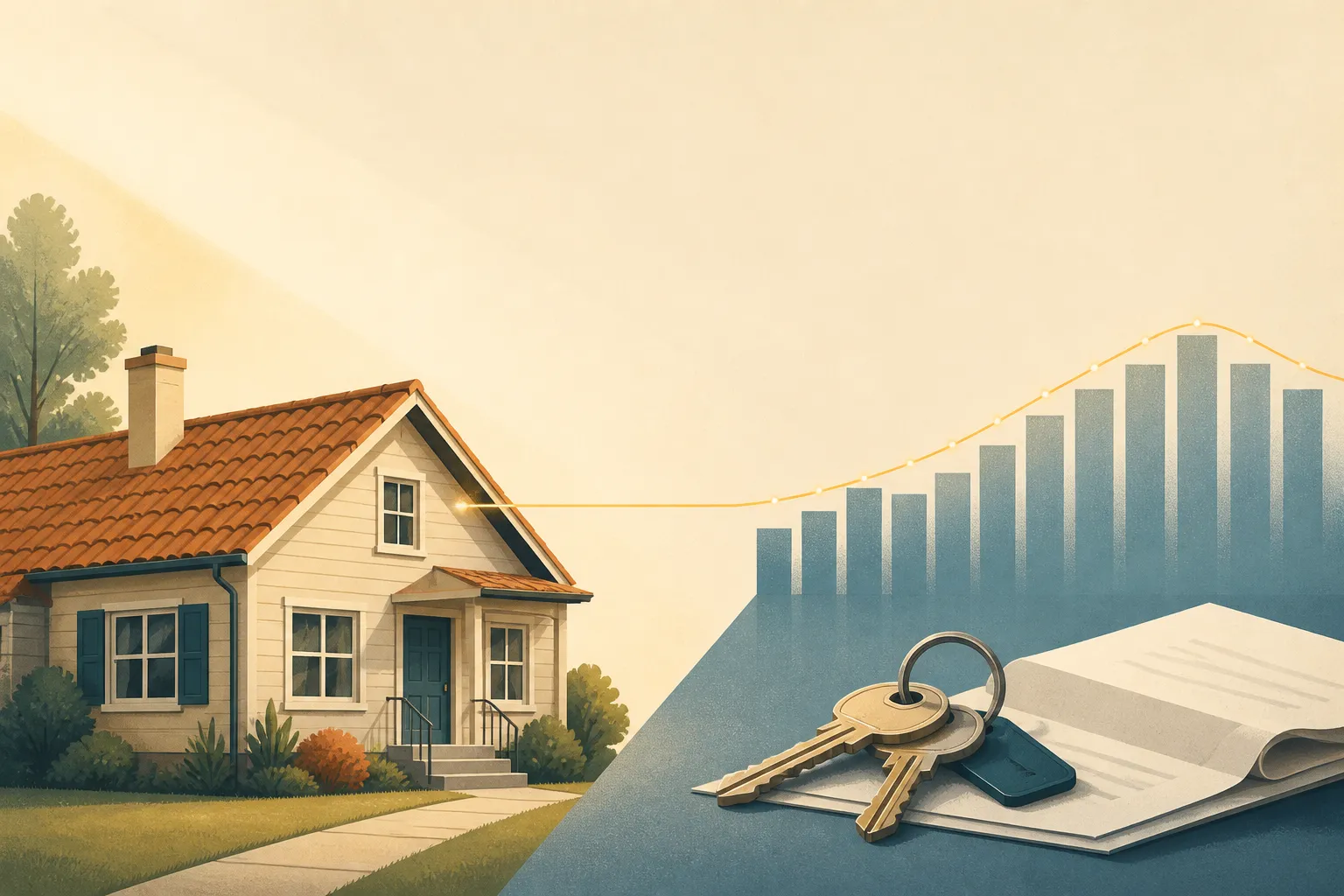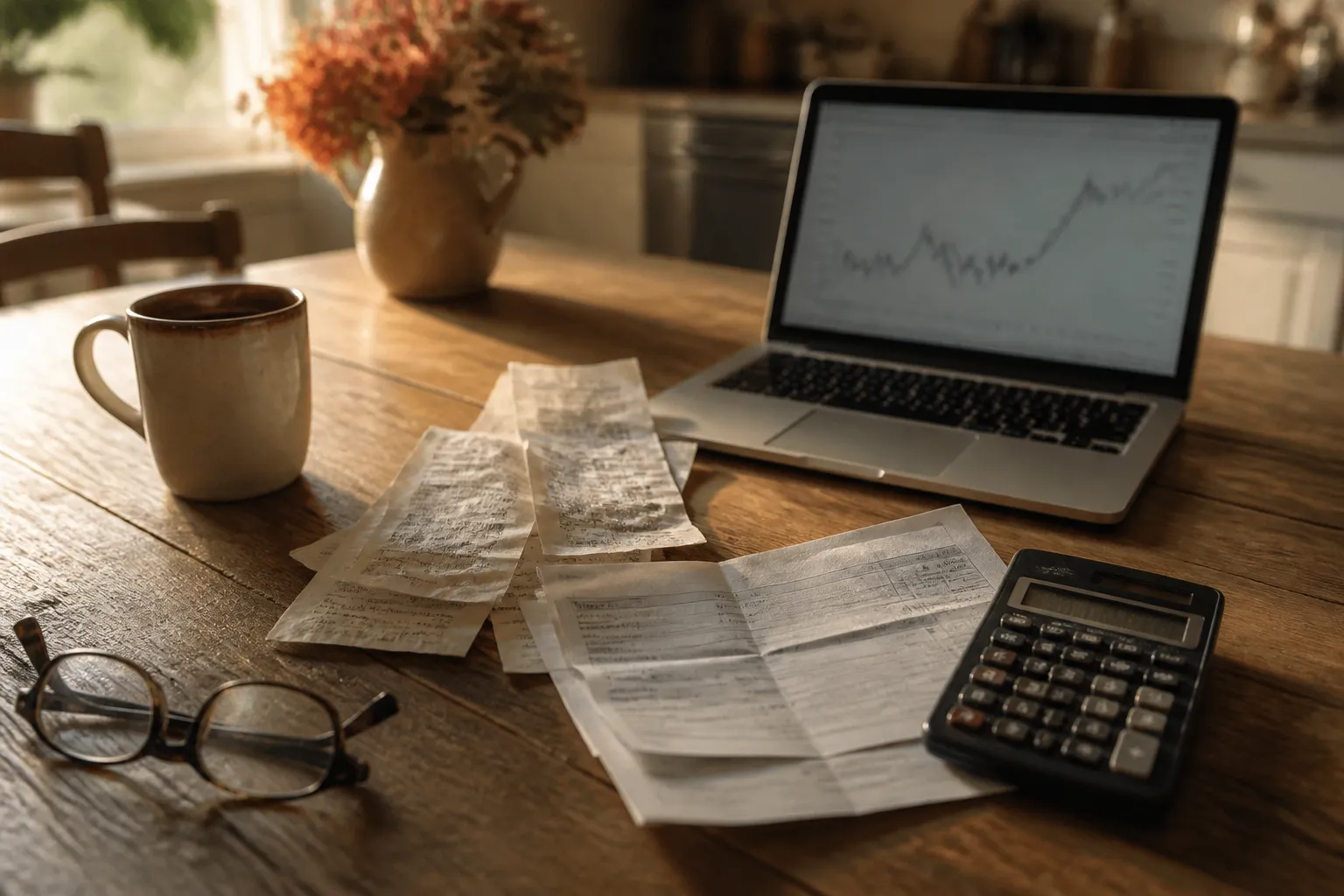
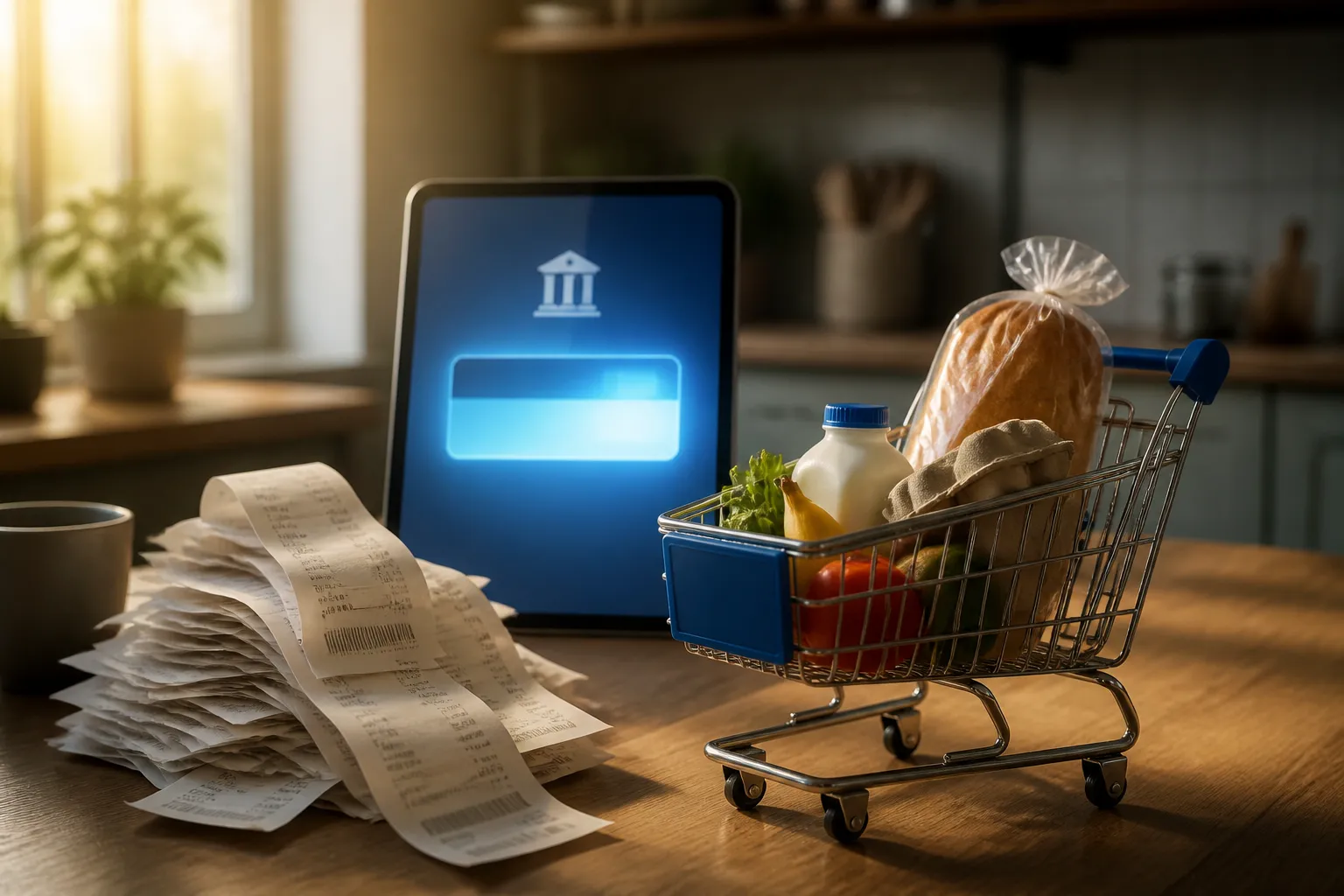
A bank statement tells a literal truth and an economic half-truth. If you leave $5,000 in a savings account for a year, the statement will still show at least $5,000 at the end of December. The paper figure does not shrink. What changes is the grocery cart, the utility bill, and the repair invoice sitting on the kitchen table. Inflation does not take dollars out of your account. It quietly reduces what each of those dollars can carry out of the store.
What inflation does to cash
Inflation is the general rise in prices over time. In the United States, the Bureau of Labor Statistics tracks this movement through the Consumer Price Index (CPI), the standard benchmark that households and policymakers use to see how far everyday costs have shifted. When the index climbs, a fixed sum of cash covers fewer goods and services than it did the year before.
The core math for any saver is a direct comparison between two percentages: the rate of inflation and the interest rate paid on your cash. If prices across the economy rise faster than the yield on a savings account, the balance loses purchasing power over time even while the dollar total grows slightly on paper. A $5,000 emergency fund might earn a modest amount of interest, yet still buy fewer gallons of milk, fewer tankfuls of fuel, or less of a plumber's time than it did twelve months ago.
Reading the latest numbers
Recent federal data shows how persistent this gap has been for household budgets. According to reporting on Bureau of Labor Statistics data, annual inflation stood at 3.4% in July, ticking down from 3.5% in June. Even with that slight cooling, inflation has remained above the Federal Reserve's 2% target for more than five years. Five years of above-target price growth compounds at the register.
To see where the pressure lands, it helps to look at three concrete indicators from the recent data:
- Annual price growth: The 3.4% July CPI reading means a basket of goods that cost $100 a year earlier required $103.40 to purchase, before accounting for any local spikes in specific categories.
- Real hourly wages: Over the 12 months through July, real average hourly earnings for all U.S. employees fell 0.2%. In plain terms, average paychecks rose slightly slower than prices, leaving workers with less leftover income to transfer into savings.
- Pump prices: Everyday essentials continue to pull cash out of checking accounts. Gasoline rose to $4.06 a gallon from $3.98 in the reported period, according to AAA, an eight-cent jump that adds up quickly for commuters who drive every day.

- Zero-saving months: An EY-Parthenon survey found that 54% of U.S. households saved no money at all in the month surveyed, a direct result of routine bills absorbing the entire paycheck.
- Deficit spending at home: Roughly one in five households reported spending more than they earned, covering the monthly gap by drawing down existing savings or adding to debt.
- Falling consumer mood: Consumer sentiment dropped 8% in the reported month, according to the University of Michigan, reflecting how steady price pressure wears on household confidence.
How households are responding
Saving money requires a margin between what comes in and what goes out. When prices outpace wages, that margin disappears first. The finding that many U.S. households struggle financially even with stable incomes makes sense when viewed through the grocery basket. Nobody in the house needs to buy anything extravagant for the budget to tighten. The exact same weekly shopping list simply claims a larger share of Friday's deposit.
When the monthly surplus vanishes, families adjust in predictable ways. Many delay major purchases, repair old appliances instead of replacing them, or trim discretionary items from the calendar. For the one in five households spending more than they earn, cash reserves act as a shock absorber. Drawing down a savings account to pay for higher electric bills or $4.06-a-gallon gas is one of the quietest ways inflation erodes wealth. The money is spent on basic upkeep rather than saved for the future.
Warning signs to watch for
A shrinking cash buffer becomes a larger problem when routine shortfalls spill over onto credit cards. Using high-interest revolving debt to pay for groceries or utility bills while savings are drained is a costly cycle. The interest charged on an unpaid credit card balance almost always outweighs the interest earned on a standard bank account.
Macroeconomic data suggests more families are hitting this wall. Credit card balances that are more than 90 days delinquent rose to 12.8% in the first quarter, up sharply from 7.6% in the third quarter of 2022, according to the Federal Reserve Bank of New York. Rising delinquency is a clear signal that household cash buffers are wearing thin. While keeping emergency cash liquid is necessary for sudden repairs or job loss, holding more idle cash than you need in a low-earning account leaves value on the table every month prices climb.
Questions to ask about your own cash
Reviewing your own savings does not require complex forecasting. You can use the public CPI Inflation Calculator from the Bureau of Labor Statistics to see how a specific dollar amount from a few years ago compares with today's buying power. Seeing that a $1,000 reserve from five years ago requires noticeably more cash today just to break even makes the math concrete.
Once you have the numbers in front of you, walk through three basic questions at the kitchen table:
- How does my yield compare with the CPI? Check the annual percentage yield on your savings statement against the latest 3.4% CPI reading. If your bank pays less than the rate of inflation, your balance is losing purchasing power in real terms.
- Have my wages kept pace with the register? Look at your pay stubs from this time last year. If your income grew more slowly than prices, much like the 0.2% drop in national real hourly earnings, rebuilding your savings will require trimming fixed expenses elsewhere.
- Is my emergency cushion sized right? Ask whether you have enough liquid cash to cover several months of basic living costs without leaning on credit cards. The answer helps clarify how much money must stay immediately accessible for emergencies and how much you might evaluate differently based on your own timeline and circumstances.
This article is for general educational purposes only and does not constitute personal financial, legal, or tax advice.
Please seek a professional. This article is general information, not financial, tax or insurance advice. Please seek a licensed financial, tax or insurance professional about your own situation.