



When an unexpected storm, severe cold snap, or sudden supply disruption hits a community, grocery receipts and fuel pumps often reflect the pressure immediately. A sharp jump at the register feels unfair at the kitchen table, but under the law, high prices alone do not automatically mean an illegal act has occurred. In ordinary commerce, merchants set prices according to wholesale shifts, freight costs, and customer demand. Price gouging refers specifically to sellers taking unfair advantage of an emergency by charging exorbitant or unconscionably excessive sums for everyday necessities.
What price gouging means under the law
Price gouging is defined by state statute rather than a single overarching federal rule. Across the country, 39 states, the District of Columbia, Guam, Puerto Rico, the Northern Mariana Islands, and the U.S. Virgin Islands have enacted laws or regulations that formally define price gouging during a disaster or declared emergency. In the remaining states, no specific price gouging statute exists on the books, leaving price disputes to standard contract principles or general commercial rules.
The legal question always hinges on the presence of an abnormal disruption. In an open market, a grocer can raise the price of a gallon of milk simply because wholesale distributors increased their rates. Price gouging protections activate when an emergency alters the balance of power between buyer and seller. When families cannot safely travel to another store or wait for regional supply chains to normalize, charging excessive markups for food, water, or warmth crosses the line from market pricing into illegal exploitation.
How state laws differ across jurisdictions
Because there is no uniform national threshold, states assess excessive pricing through different legal frameworks. In most jurisdictions with protective rules, price gouging constitutes a violation of unfair or deceptive trade practices legislation. Enforcement typically falls under the authority of the state attorney general, who can seek civil penalties, restitution for consumers, and in certain states, pursue criminal charges. The exact fines and the length of state investigations vary widely by jurisdiction and are rarely published in standard schedules.
States generally rely on one of two standards to identify a violation:
- Fixed percentage caps: Some states establish a clear mathematical boundary. According to the National Conference of State Legislatures summary on state price gouging statutes, Alabama considers a price unconscionable if, during a declared emergency, it rises 25% or more above the average price charged for the same or similar item in the affected area over the preceding 30 days, unless documented wholesale or freight expenses justify the increase. Arkansas bars sales at gouged levels for 30 days following an emergency or local disaster declaration for specified necessities like food, medical supplies, home heating oil, and building supplies.
- General unconscionability standards: Other states avoid fixed mathematical cutoffs and evaluate transactions under broader consumer protection rules. In guidance from the Texas Attorney General on price gouging, taking advantage of a disaster declared by the governor or president by selling fuel, food, medicine, or lodging at exorbitant prices qualifies as a deceptive trade practice. Similarly, the Office of the New York State Attorney General explains price gouging rules by targeting unconscionably excessive prices for essential goods and services during abnormal market disruptions, applying that standard to every tier of the distribution chain from manufacturers down to local storefronts.
Warning signs to look for at checkout
Identifying potential gouging requires comparing the numbers on your receipt against recent baseline prices. The clearest red flag is an abrupt, steep price increase on essential survival items immediately after a disaster declaration. Basic goods subject to scrutiny frequently include motor fuel, generator equipment, potable water, shelf-stable groceries, prescription medications, hotel rooms, and structural repair supplies. In past market disruptions, New York enforcement officials have treated everyday commodities like diesel fuel, heating oil, eggs, baby formula, and basic cleaning supplies as covered necessities.
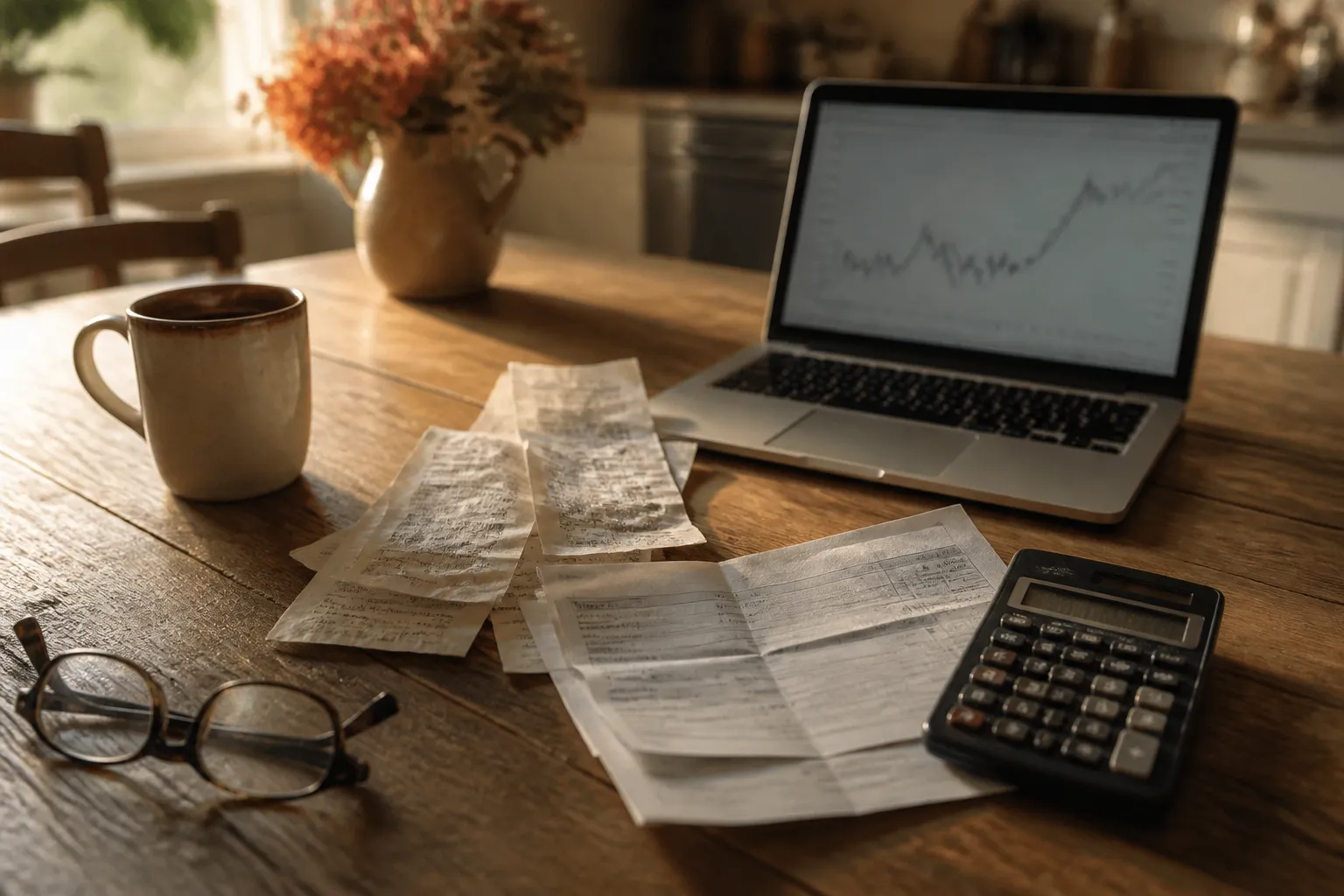
A useful rule of thumb is to measure the current shelf price against what the merchant charged during the 30 days leading up to the crisis. If a carton of eggs or a flat of bottled water doubles in price overnight while identical goods in neighboring towns remain steady, that spread warrants attention. Consumers should also be wary when a merchant refuses to offer a receipt, conceals itemized charges, or adds arbitrary administrative surcharges to the advertised register total.
Questions to answer before filing a report
Before submitting a formal complaint to state regulators, collecting a few specific facts will help determine whether the situation falls under state statutes:
- Has an official emergency been declared? State gouging statutes almost always require an active disaster or emergency declaration issued by the governor, local municipal authorities, or the president. Note the effective date of the declaration.
- Is the purchased item classified as a necessity? Luxury goods, entertainment items, and optional services do not fall under disaster gouging protections. Verify whether the product belongs to core survival categories like food, water, temporary shelter, transportation fuel, or home repair.
- Did the seller experience higher wholesale costs? A merchant who pays a supplier 40% more for emergency pallets of plywood or heating fuel can legally pass those documented costs along to retail customers. An unjustified retail markup with flat wholesale costs is where legal scrutiny begins.
Keep an accurate, dated paper trail. Save printed store receipts, note the exact time of purchase, record the store address, and take clear photos of shelf price tags or pump displays whenever possible.
Where to report suspected gouging
When the evidence points to an unlawful price spike, consumers should direct their reports to state authorities. You can contact your state attorney general or consult the USAGov directory of state consumer protection offices to find the correct local agency handling business complaints and market investigations. Most state attorney general websites offer specialized intake portals during active natural disasters to catalog consumer reports efficiently.
Federal regulators also assist state partners during widespread market events. The DOJ Antitrust Division and FTC issued a call to action encouraging state attorneys general to investigate consumer protection violations and excessive pricing across petroleum and energy markets. While direct federal statutory price gouging enforcement channels remain distinct from state authority, federal enforcers routinely coordinate information with regional investigators.
Outside of sudden natural disasters, state lawmakers are also addressing everyday pricing practices. A review of 2026 state legislation on pricing disclosures and junk fees highlights new rules targeting hidden hospitality fees, mandatory ticketing surcharges, and algorithm-driven dynamic pricing models. In non-emergency markets, investigations by consumer advocacy groups, including Consumer Reports research into retail delivery app pricing, have documented significant price variations in routine online shopping baskets. While dynamic pricing in everyday retail operates under different legal rules than post-disaster gouging, both highlight the value of tracking receipt math and knowing your state consumer rights.
Please seek a professional. This article is general information, not legal advice. Please seek a licensed attorney in your state about your own situation.